UPDATE: A 60-year-old individual has reached out for urgent advice regarding their long-standing hearing loss, expressing frustration over rude comments from coworkers and family pressure to buy hearing aids. This matter highlights a crucial conversation about societal attitudes towards disabilities and the emotional toll they can take.
In a heartfelt letter to advice columnist Eric Thomas, the individual recounted their experience with hearing loss since childhood, noting that both of their younger siblings wear hearing aids. Despite medical recommendations, they have resisted purchasing them due to concerns about cost and vanity. The situation escalated when their siblings staged an intervention, urging them to seek treatment.
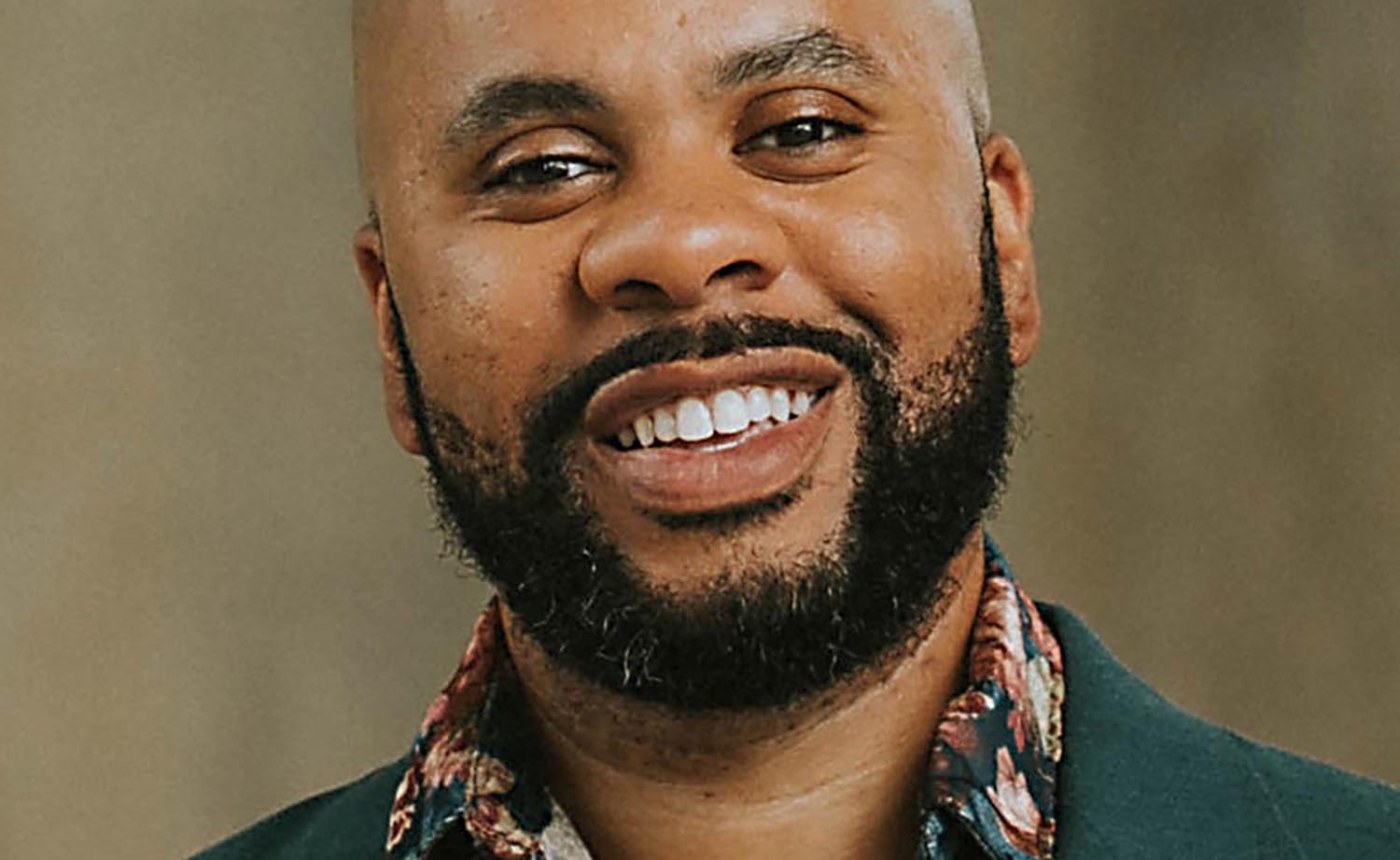
“This is an opportunity for you to address the insensitivity of your coworkers directly,” Thomas advised. He emphasized that comments like, “Oh, you’re so deaf,” are not only inappropriate but also disrespectful, and should be reported to HR if necessary.
Thomas suggested a straightforward approach: “It’s inappropriate and unkind for you to make fun of my abilities. If you have an issue with the way I do my job, please address it with me professionally.” This direct communication could foster a more respectful workplace environment.
Regarding the siblings’ intervention, Thomas encouraged viewing their actions as stemming from concern rather than judgment. He warned that untreated hearing loss could lead to increased isolation and even a link to dementia.
“Consider their input as a hand reaching out, offering help,” he stated. The emotional weight of this advice underscores the importance of family support in addressing health issues.
As the conversation around hearing loss and societal perceptions continues to unfold, many individuals are looking for ways to navigate similar experiences. Key takeaways include advocating for oneself in the workplace and understanding that family concerns often arise from a place of love and care.
What’s Next: For those experiencing similar issues, it’s crucial to initiate dialogues with both coworkers and family members. Sharing feelings about the impact of hearing loss can lead to greater understanding and support.
The discussion surrounding hearing loss is urgent and relevant, especially as awareness grows about the emotional and social effects of untreated conditions. By addressing rudeness and misunderstandings, individuals can advocate for their rights and foster a more inclusive environment.
Readers are encouraged to share their experiences and responses to this pressing issue on social media, fostering further dialogue around the challenges of hearing loss and societal attitudes.