URGENT UPDATE: As summer temperatures soar, PC users are warned about potential overheating issues with their CPUs. If your computer is suddenly shutting down, lagging, or freezing during demanding tasks, overheating could be the culprit. Experts emphasize the importance of regularly checking CPU temperatures, especially for those utilizing high-performance processors like the Ryzen 7 9850X3D.
New reports confirm that Windows does not provide built-in tools for monitoring CPU temperatures. Users are encouraged to turn to reliable third-party software like Core Temp and HWInfo to keep an eye on their hardware’s health. These tools display real-time temperature readings, helping users identify potentially dangerous overheating conditions.
The issue is pressing: high CPU temperatures can lead to hardware damage. Monitoring tools like Core Temp allow users to view a straightforward temperature reading, while HWInfo offers more detailed insights. For Ryzen processors, it’s crucial to monitor the “Tdie” temperature for accurate readings.
Experts recommend maintaining CPU temperatures under 60° C for optimal performance. If temperatures rise to 70° C or above, users should investigate cooling solutions. Regular cleaning of fans and vents is essential for maintaining airflow and preventing heat buildup.
If your CPU temperature exceeds 90° C, immediate action is required to avoid hardware damage. Here are some steps to take:
1. **Clean Your PC:** Dust buildup can severely affect cooling performance. Use canned air to clear dust from fans and grilles.
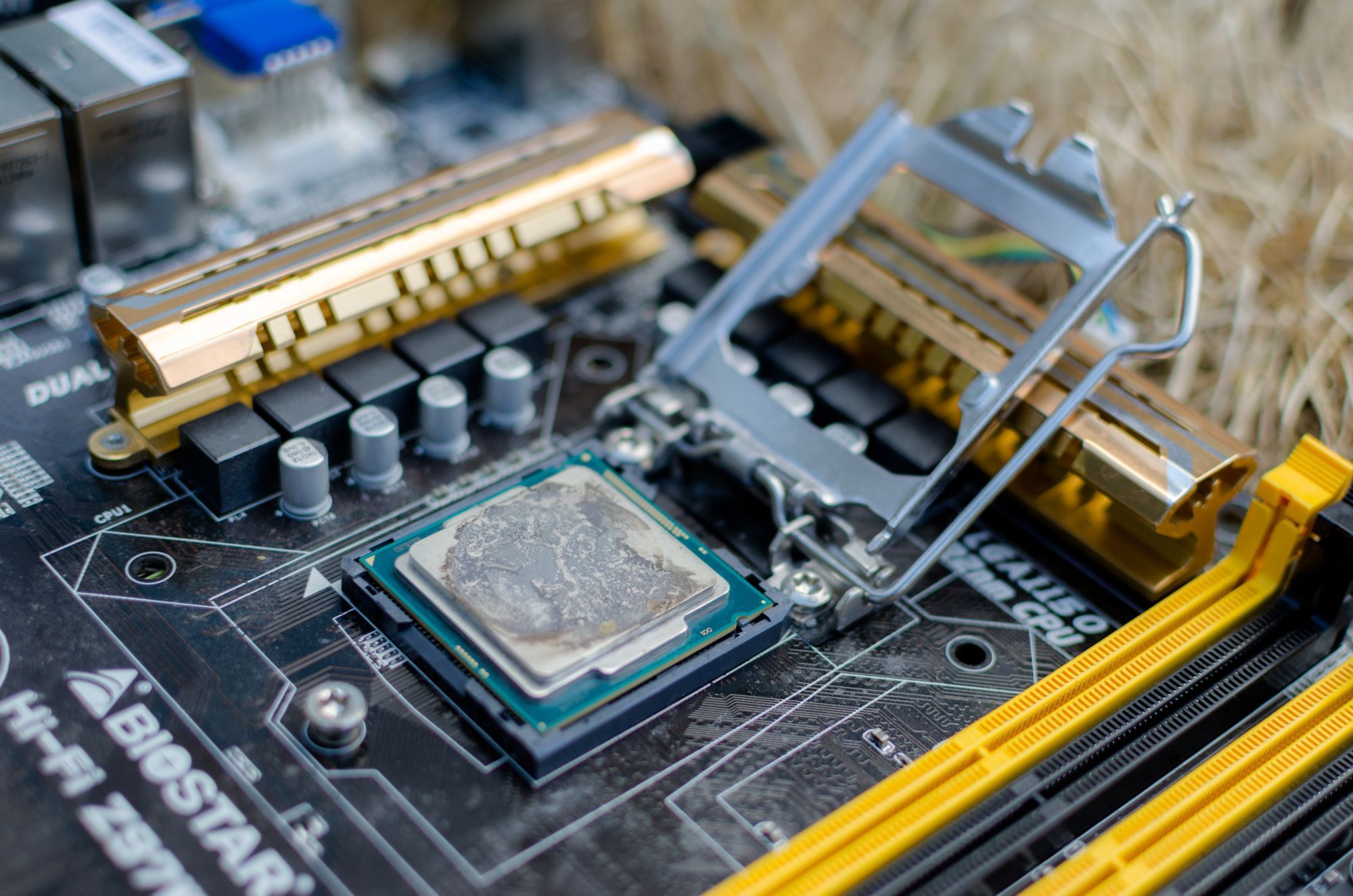
2. **Replace Thermal Paste:** If your PC is a few years old, the thermal paste may need replacing. Fresh thermal paste can significantly improve cooling efficiency.
3. **Upgrade Cooling Solutions:** If overheating persists, consider investing in a more robust CPU cooler. Options include air coolers like the Noctua NH-D15 or closed-loop liquid coolers for superior temperature management.
Immediate action is necessary as overheating can drastically shorten the lifespan of your CPU. Failure to monitor temperatures can result in unexpected shutdowns, data loss, and costly repairs.
What’s next? Stay informed and take proactive measures to monitor and manage CPU temperatures effectively. Share this information with fellow PC users to help them avoid overheating risks this summer.
For more guidance on checking CPU temperatures and enhancing your PC’s cooling, visit trusted technology websites or consult hardware professionals. Don’t let overheating catch you off guard—act now!