URGENT UPDATE: Pediatricians are raising alarms as Respiratory Syncytial Virus (RSV) cases surge among young children this winter. With symptoms resembling those of COVID-19 and the flu, parents are urged to stay vigilant as colder weather exacerbates the spread of this common yet potentially dangerous virus.
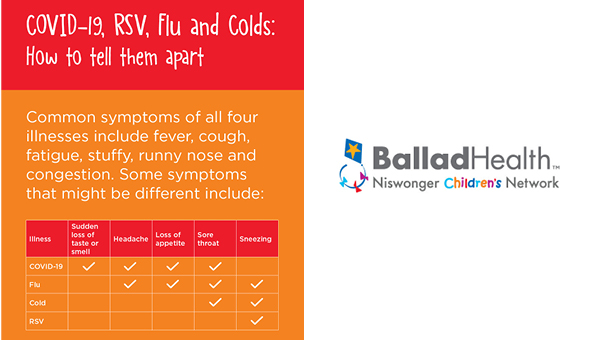
Dr. Seth Brown, a pediatrician, emphasizes that the cold, dry air enhances RSV’s transmission. “The virus survives and spreads better in colder months, especially as families spend more time indoors,” he explains. Symptoms to watch for include a congested or runny nose, dry cough, low-grade fever, and sore throat. More alarming signs in children under two may include difficulty breathing and poor feeding.
According to data from Ballad Health, about 5% of children admitted to their hospital system are diagnosed with RSV. The mortality rate stands at approximately 1 in 100,000 in the United States, highlighting the virus’s serious implications.
“Any preventable illness that could result in severe disease or death is one we need to think about and prevent,” says Dr. Brown.
To combat the spread of RSV, Dr. Brown stresses the importance of good hygiene practices. Washing hands for 20 seconds is a critical preventive measure. He also recommends covering coughs and sneezes with an elbow or tissue and washing hands afterward. “Hand sanitizer is an excellent secondary option when soap and water aren’t available,” he adds.
Additionally, avoiding exposure to tobacco smoke is crucial. Dr. Brown warns that cigarette smoke can damage airways and impair immune responses, heightening the risk of RSV complications.
Expecting mothers can also get vaccinated against RSV between 32-36 weeks of gestation, which Dr. Brown notes is one of the most effective ways to protect newborns from this virus. Those over 60 or with compromised immune systems should consult their healthcare providers about vaccinations to safeguard against RSV.
As RSV cases continue to rise, families are urged to remain alert and proactive. The overlap of symptoms with other respiratory illnesses makes testing essential for accurate diagnosis and treatment.
Stay tuned for updates as health authorities monitor the situation closely and provide further guidance on this developing health concern.