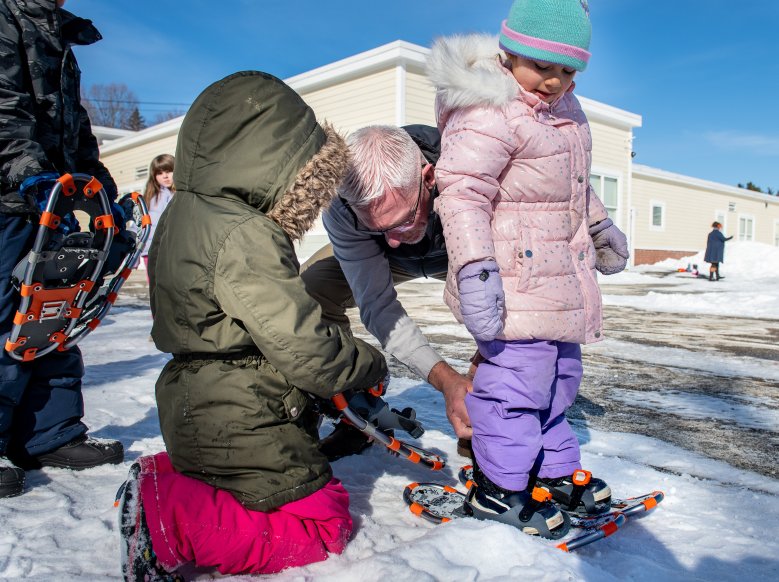
UPDATE: An urgent push is underway to reevaluate winter recess policies in Maine schools, as teachers and experts highlight the benefits of outdoor learning—even in frigid temperatures. Just this morning at 10:47 a.m., a teacher at a public school in Rockport led her third graders outside into a chilling 3 degrees Fahrenheit, showcasing how children can thrive in winter conditions when properly equipped.
By 11:30 a.m., the students were still actively playing in the snow, building and laughing together, with the teacher ensuring no one felt cold. This approach contradicts the rigid policies many schools enforce, which often keep children indoors for weeks at a time due to fear of the cold. Such measures prioritize adult convenience over children’s developmental needs, according to advocates.
The evidence is clear: year-round outdoor activities enhance physical health, emotional regulation, and resilience among children. With the right clothing and supervision, cold exposure can be safe and beneficial. In fact, states like Alaska and Minnesota, which experience harsher winters, successfully incorporate outdoor learning into their curricula.
Many experts argue that maintaining children indoors for prolonged periods is detrimental to their well-being. Schools are urged to replace outdated, fear-based policies with evidence-based practices that allow children to fully engage with winter, rather than watch it from behind a window.
The call for change is gaining momentum, with educators advocating for a reevaluation of cold-weather policies across Maine. Children deserve the opportunity to experience winter’s wonders actively and healthily.
As the discussion heats up, parents and educators are encouraged to voice their support for outdoor recess, urging schools to embrace a more flexible, child-centered approach to winter activities. Maine children deserve better—it’s time to rethink how they interact with their environment, even in the coldest months.
Stay tuned for updates as this developing story unfolds, and consider sharing your thoughts on how schools can adapt to better serve our children in winter.