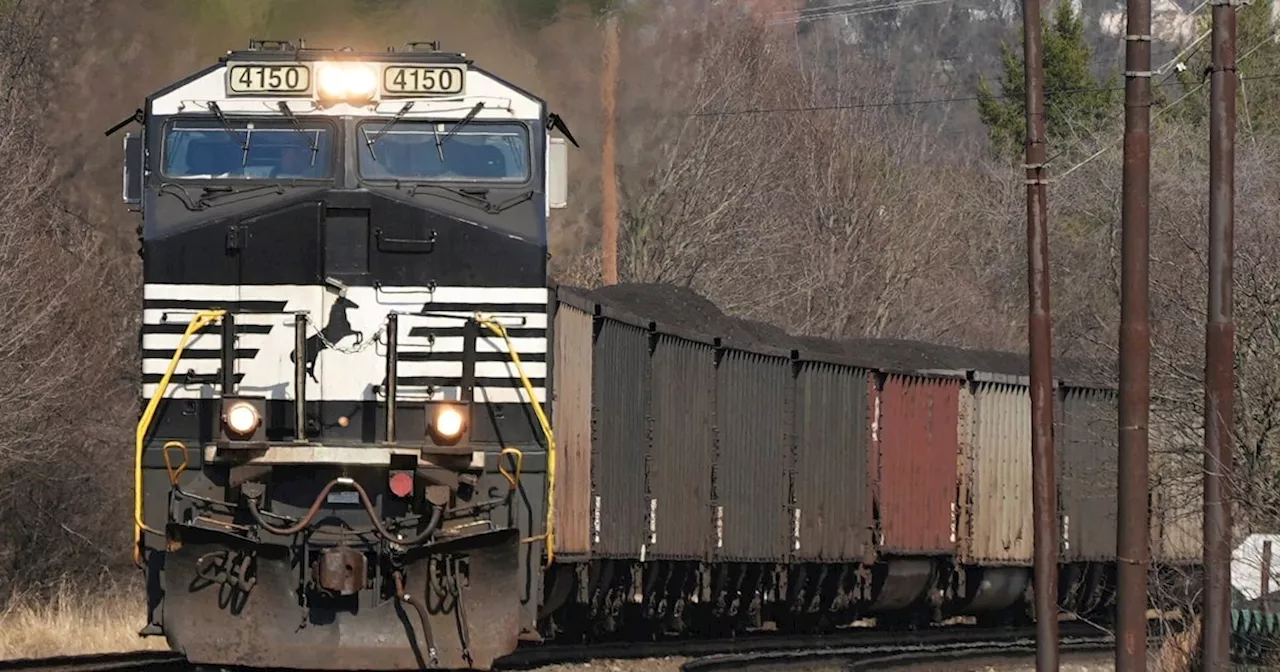
UPDATE: Dallas City Council Member Adam Bazaldua has underscored the potential for economic growth as the federal Surface Transportation Board reviews the proposed merger between Union Pacific and Norfolk Southern. This development could create America’s first true transcontinental railroad, uniting the West and East across over 50,000 route miles in 43 states, including Texas.
As Dallas stands on the brink of a transformative opportunity, Bazaldua emphasizes that a unified rail network could significantly enhance transportation efficiency, cut costs, and reduce congestion on local highways. “My trip was not in vain, Dallas is a bright young town, full of promise,” he stated, reflecting on the city’s rich rail history.
The proposed merger is not just an infrastructure project; it represents a chance for cleaner transportation and stronger supply chains. With heavy truck traffic contributing to congestion on Interstate 30, I-35E, and I-20, the need for an efficient rail system is urgent.
Currently, Dallas is one of the nation’s most vital logistics and manufacturing hubs, but the pressure on local infrastructure is mounting. Bazaldua points out that taxpayers are footing the bill for repairs due to traffic delays and accidents. A unified rail system could alleviate these burdens by enabling seamless transportation of commodities from Dallas to major East Coast ports.
“By eliminating bottlenecks at interchange points like Memphis, we could see commodities moved more efficiently across a transcontinental network,” Bazaldua explained. This change would benefit Dallas-based shippers, leading to fewer delays and lower transportation costs for businesses of all sizes.
As discussions continue about maintaining Dallas’s competitive edge, this merger could be a pivotal factor. Bazaldua’s focus on building safer neighborhoods and investing in sustainable infrastructure aligns closely with the potential benefits of a more efficient freight system.
“More efficient freight means stronger local businesses. Cleaner transportation means healthier communities,” he stated, reiterating the importance of rail in Dallas’s journey from a frontier outpost to a commercial capital since the 1870s.
As the merger proposal awaits approval, Dallas residents and businesses are encouraged to stay informed and engaged. The potential economic impact is significant, promising to position the city as a global leader in commerce and sustainability.
As this situation develops, all eyes will be on the Surface Transportation Board. The outcome will not only shape the future of rail in Dallas but could also define the city’s economic landscape for generations to come. Stay tuned for more updates as this story unfolds.