UPDATE: New reports reveal a drastic decline in student performance across Luzerne County, as Pennsylvania System of School Assessment (PSSA) scores continue to plummet in the wake of the COVID-19 pandemic. This alarming trend, now evident six years after the pandemic was declared, highlights the ongoing educational challenges faced by schools statewide.
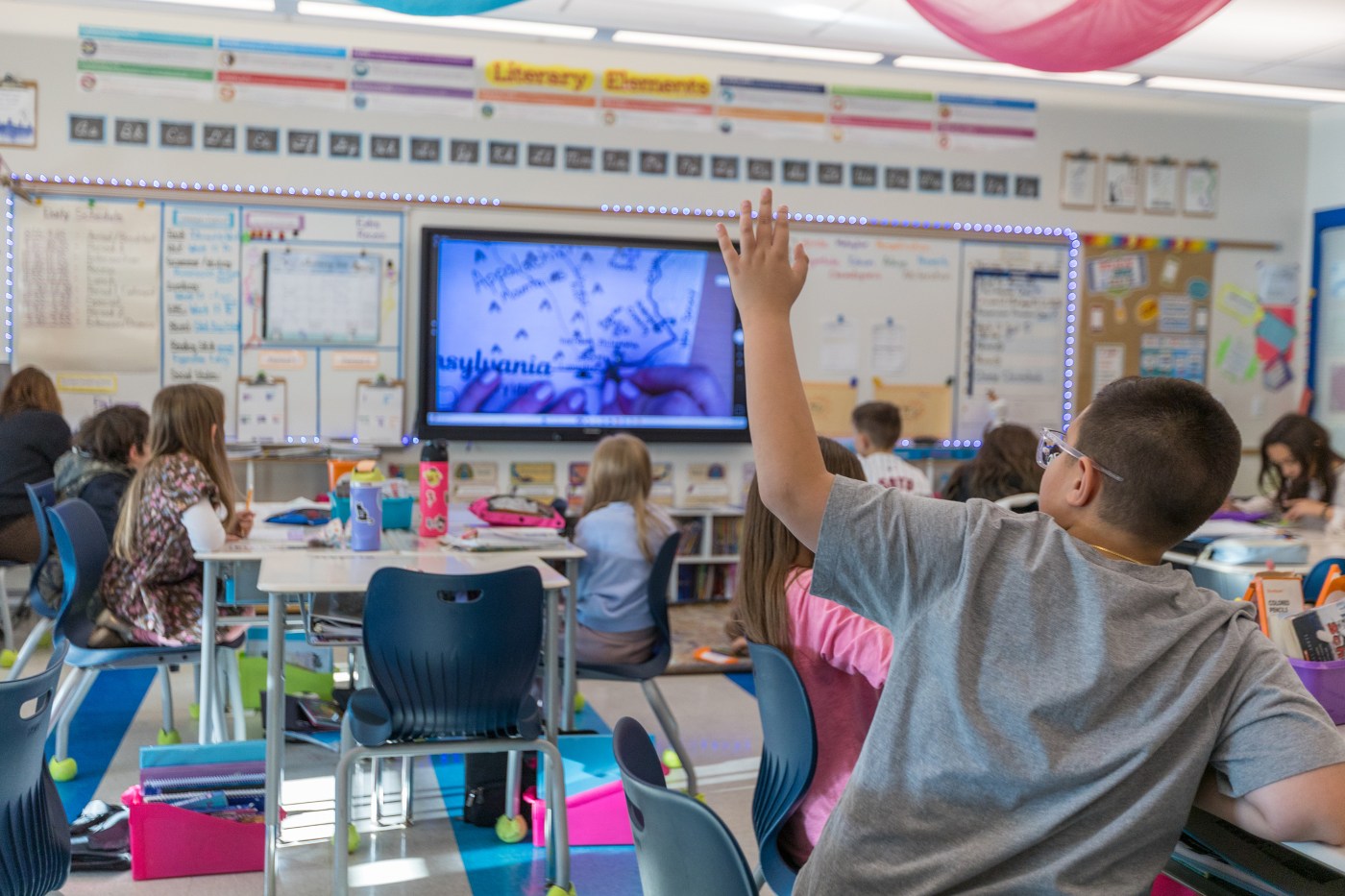
The latest state testing records confirm that proficiency rates for students in third through eighth grades have sharply dropped since the pandemic’s onset. Every school district in Luzerne County has reported significant declines, particularly in language arts, where students’ scores have fallen dramatically. Math scores, while slightly more stable, are also on a downward trajectory, raising urgent concerns among educators.
Brian Uplinger, Superintendent of Hazleton Area School District, stated, “The decline in the percentage of students scoring proficient or advanced following the COVID-19 pandemic is a trend seen not only in the Hazleton Area School District but across Luzerne County, throughout Pennsylvania, and across the nation.”
A comprehensive analysis of test scores reveals that ten school districts in Luzerne County experienced decreases in language arts proficiency rates for the 2025 PSSA exams compared to 2024 results. Notably, Northwest Area faced a staggering drop of 18.6 percentage points. The only district to report an increase was Wilkes-Barre Area, with its proficiency rate rising slightly from 32.5% to 32.6%.
In contrast, math proficiency remained relatively unchanged, with nine districts experiencing slight improvements. However, Hazleton Area and Northwest Area saw minor declines of 0.4 and 1.7 percentage points, respectively.
The data indicates that Luzerne County schools lag behind statewide averages—the 2025 results show that only 48.5% of students in Pennsylvania scored proficient or advanced in language arts, while 41.7% did so in math. Alarmingly, more than half of Luzerne County’s districts fell below these figures. Only Crestwood and Dallas achieved language arts proficiency rates above the state average, with Crestwood, Dallas, and Lake-Lehman surpassing the math average.
Looking deeper into the data, it becomes clear that this is not a sudden issue. Comparing average proficiency rates from 2015 to 2019 with those from 2021 to 2025 shows a universal decline across all Luzerne County districts. Language arts scores dropped between 8 and 19 percentage points, while math scores fell between 2 and 14 percentage points. Notably, Northwest Area maintained its math proficiency rate at 28.8%.
The decline in proficiency rates mirrors a broader trend across Pennsylvania. The state has seen language arts proficiency fall from 53% in 2024 to 48.5% in 2025, though math scores have shown some recovery, rising from 40.4% to 41.7%.
Amid these troubling statistics, educators remain committed to improving student achievement. Charles Suppon Jr., Superintendent of Wyoming Valley West, emphasized the district’s focus on data-driven decisions to support students effectively. “Our district is constantly analyzing student data and making intentional, data-driven decisions to identify specific areas of need and bridge deficit gaps,” he stated.
Schools are also increasingly utilizing digital practice software to enhance test preparation, with the upcoming PSSA tests set to be administered entirely digitally. Thomas Duffy, Superintendent of Dallas, said, “The review of student performance data drives a structured review of curriculum and programs, and more importantly, intervention plans for students.”
Despite these efforts, Uplinger cautioned against viewing test scores as the sole measure of student success. He noted that external factors, such as anxiety and personal challenges, can significantly impact performance, suggesting that a holistic approach to student education is essential.
Research from the Brown Center on Education Policy at Brookings corroborates these findings, indicating that while math scores are beginning to recover nationally, language arts scores continue to decline.
As Luzerne County schools grapple with these persistent challenges, the focus on targeted interventions and comprehensive student support remains critical. The question now is: What measures will be taken to reverse this troubling trend before it impacts a new generation of learners?