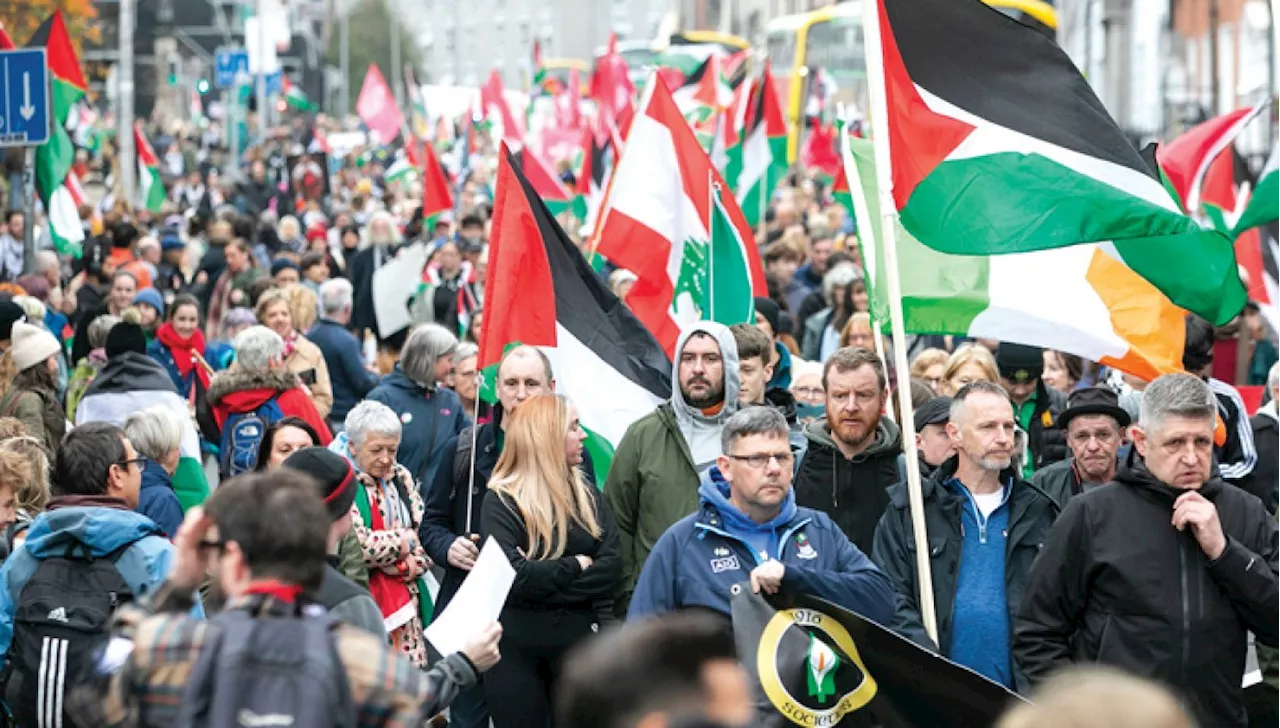
UPDATE: A heated dispute over the proposed renaming of Chaim Herzog Park in Rathgar, Ireland, has escalated, drawing urgent warnings from U.S. lawmakers about potential economic repercussions for Ireland. The controversy is at the center of rising tensions between Israel and Ireland, with significant implications for U.S. foreign relations.
Just days ago, Rep. Josh Gottheimer and Sen. Lindsey Graham voiced strong concerns that Ireland’s push to strip the park of its name could lead to economic sanctions. “If they go ahead with this law, they will have a BDS law,” Gottheimer stated, referencing the Boycott, Divestment, and Sanctions movement against Israel and warning that 38 states in the U.S. might sever trade ties with Ireland.
The park, dedicated to the late Israeli President Chaim Herzog, who was born in Belfast, has become a focal point in a broader debate about Ireland’s stance on Israel amid ongoing conflicts. The Dublin City Council proposed the renaming as a protest against Israel’s military actions in Gaza, igniting backlash from both sides of the Atlantic.
On December 4, 2023, the council faced public outrage, leading to the shelving of the proposal due to procedural errors. Irish Foreign Minister Helen McEntee condemned the move, asserting, “Renaming a Dublin park in this way has no place in our inclusive republic.” This sentiment was echoed by Maurice Cohen, chairman of the Irish Jewish Representative Council, who expressed relief at the governmental support against the renaming.
The economic stakes are high: Ireland is Israel’s second-largest trading partner, purchasing $3.89 billion in Israeli goods in 2023. Any legislation perceived as anti-Israel could jeopardize this lucrative relationship, especially as American corporate interests are heavily invested in Ireland, particularly in pharmaceuticals.
Gottheimer emphasized the real danger this legislation poses, stating, “This legislation threatens to inflict real harm on American companies operating in Ireland.” The implications of such a bill could create legal conflicts for U.S. firms, complicating their operations abroad.
The uproar has also highlighted a growing unease among Irish Americans, who fear that political pressures may lead to a deterioration of relations with both Israel and the Jewish community in Ireland. Brian O’Dwyer, vice president of the Irish American Democrats, warned, “The danger is real,” referring to potential boycotts by U.S. states against entities that engage in anti-Israel activities.
This ongoing conflict raises questions about the future of Ireland’s role as a mediator in international disputes. As tensions heighten, the legacy of Ireland’s historical struggles for independence resonates in its current stance on global activism, particularly regarding Palestine.
As the situation develops, all eyes will be on Ireland’s next moves and the U.S. responses. Will Ireland maintain its position, or will pressures from U.S. lawmakers lead to a reconsideration of its policies? The stakes are high, and the world is watching.
Stay tuned for updates on this critical issue as it unfolds.