UPDATE: Tensions are escalating in Oklahoma as consumer advocacy groups vehemently oppose OG&E’s request for a significant utility rate increase. This clash signals a pivotal moment in the state’s energy landscape, testing the implications of the newly enacted Senate Bill 998, which alters how utilities can finance construction projects.
Just announced, the Oklahoma Industrial Energy Consumers (OIEC) and AARP Oklahoma are urging the Oklahoma Corporation Commission to reject OG&E’s bid for funding two new power plants slated for completion east of Oklahoma City by 2029. “If there is a Scrooge this holiday season, it is OG&E,” declared Sean Voskuhl, AARP Oklahoma State Director, highlighting public concern over the utility’s repeated attempts to secure funding for costly projects.
Earlier this month, the Commission denied OG&E’s request for a $500 million pre-approval case, where the utility sought to recover an additional $100 million in financing costs. Voskuhl argued that OG&E’s persistence indicates a disregard for consumer interests, stating, “OG&E simply cannot take ‘No’ for an answer, but they should.”
At the heart of the dispute lies Senate Bill 998, which permits utilities to request rate increases to cover Construction Work In Progress (CWIP), allowing them to recover costs before projects are operational. OG&E contends that this law is essential for reducing interest costs associated with its current $506 million construction loan debt. The company estimates that utilizing CWIP could save up to $173 million in interest costs, savings that would ultimately benefit ratepayers, according to Christi Woodworth, OG&E vice president of marketing and communications.
However, consumer advocates like Adam Singer, attorney for AARP Oklahoma, argue that this funding model places an unfair burden on current customers. “They’re asking some of their customers to pay for facilities they may never benefit from,” Singer emphasized. He raised concerns about individuals who might move away or pass on, leaving them having financed projects without enjoying their advantages.
OIEC Executive Director Thomas Schroedter expressed that the new law and OG&E’s rate request could lead to higher costs for ratepayers compared to traditional financing methods. He criticized the legislature’s decision to pass the bill, suggesting it undermines the Corporation Commission’s authority to ensure fair rates. “It’s not in the best interest of ratepayers if you take the time value of money into account,” Schroedter asserted.
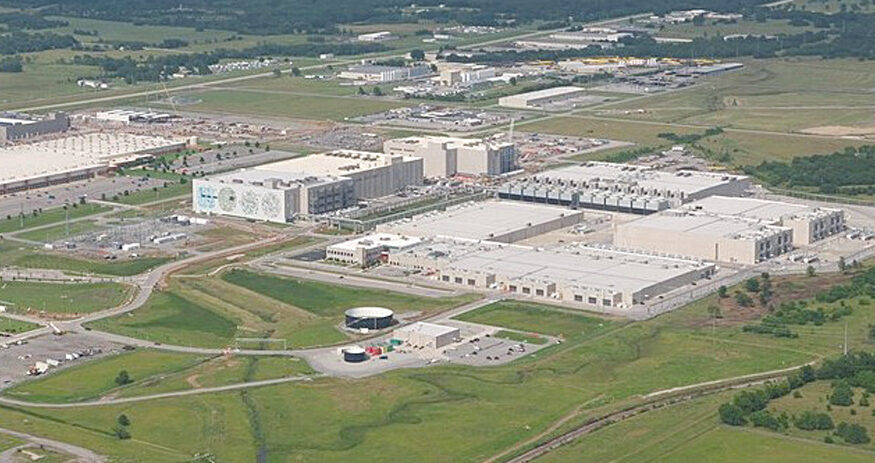
The consequences of this law are far-reaching, impacting not only current ratepayers but also emerging industries in Oklahoma, including the burgeoning data center sector. “OG&E customers are being forced to finance these power plants for large-load customers who won’t be paying any financing costs,” Schroedter pointed out. “That’s unfair.”
This latest rate case marks the second attempt by OG&E to secure advanced funding for its planned plants at Horseshoe Lake, following a rejection of its initial request in December. The utility claims its first attempt was denied for legal reasons, but consumer advocates believe OG&E should not be given another chance after a prior rejection.
An initial hearing on the case is set before an administrative law judge on January 8, 2024, and all eyes will be on the Oklahoma Corporation Commission as they navigate this complex debate over energy financing. As stakeholders brace for the upcoming hearing, the urgency of this issue continues to resonate with Oklahomans, making it clear that the outcome will have lasting implications for consumers and the energy infrastructure of the state.
Stay tuned for updates on this developing story as the implications of Senate Bill 998 and OG&E’s funding requests unfold.