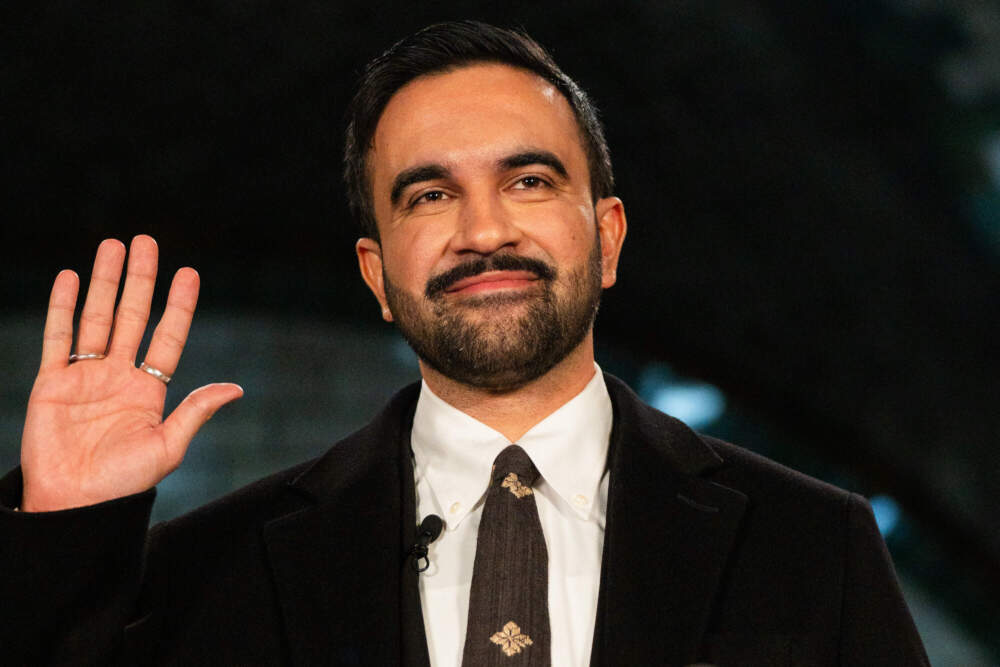
Zohran Mamdani officially took office as the new mayor of New York City on January 1, 2025, just moments after the New Year celebrations concluded. The oath of office was administered by New York Attorney General Letitia James during a ceremony in Times Square, marking a significant moment in the city’s political landscape.
Mamdani, a member of the Democratic Socialists of America, has quickly outlined his agenda, which includes ambitious plans for affordable housing, climate action, and social equity. His election represents a shift in the city’s political dynamics, particularly as the Democratic Party gears up for the critical 2026 midterms.
In an interview with Vox host Astead Herndon shortly before his inauguration, Mamdani discussed his vision for the city and the broader implications of his leadership. He emphasized the need for a government that prioritizes the needs of all New Yorkers, particularly those from marginalized communities.
Impact on the Democratic Party
Mamdani’s ascent to the mayor’s office comes at a pivotal time for the Democratic Party. With the midterm elections approaching, his progressive policies could reshape the party’s platform and influence candidates across the country. Political analysts suggest that his governance will serve as a litmus test for similar movements within the party.
As Mamdani implements his policies, there is keen interest in how his administration will engage with traditional Democratic constituents and whether his progressive approach can unite various factions within the party. The potential for a more left-leaning agenda could energize younger voters, who have been a vital part of his support base.
Mamdani’s leadership style has already garnered attention. He has pledged to create an inclusive government that listens to the voices of all citizens. This commitment could redefine how local politics operates in New York City, potentially setting a precedent for other major urban centers.
Challenges Ahead
Despite the enthusiasm surrounding his election, Mamdani faces significant challenges. New York City grapples with complex issues, including rising crime rates, economic inequality, and a housing crisis. His administration will need to address these pressing concerns while also pushing forward his progressive agenda.
Furthermore, how Mamdani navigates relationships with state and federal officials will be crucial. His ability to secure funding and support for his initiatives will determine the success of his policies. Observers are watching closely to see how he balances collaboration with other political leaders while remaining true to his progressive ideals.
As the new year begins, the political landscape in New York City is poised for transformation under Mamdani’s leadership. His administration is expected to reflect a new vision for governance, one that champions equity and justice for all residents. With the spotlight on his first moves as mayor, Mamdani’s journey will undoubtedly have repercussions far beyond the city limits.