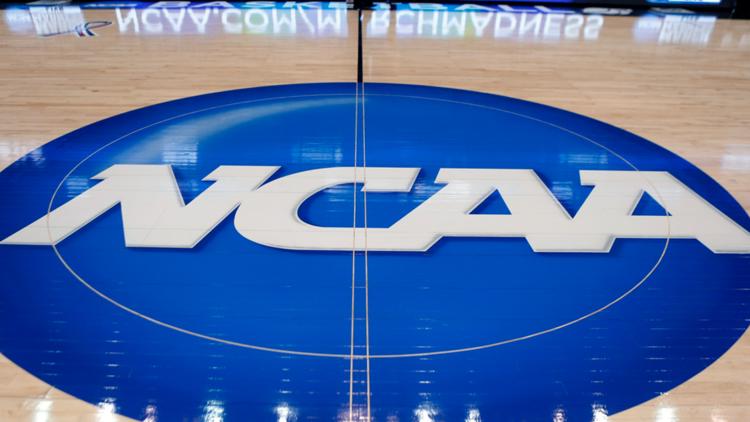
A federal indictment has charged 15 former NCAA basketball players in connection with an alleged scheme to rig games. The 70-page document, filed in a New York federal court, outlines how these players were reportedly recruited to manipulate game outcomes in exchange for substantial bribe payments.
The indictment details that payments ranged from $10,000 to $30,000 per game. These sums were allegedly used to incentivize players to influence the results, raising serious questions about the integrity of college basketball. The accusations highlight a troubling intersection of gambling and collegiate sports, where the stakes are high and the potential for corruption looms.
According to the indictment, the scheme involved organized groups who targeted college players, convincing them to participate in the illicit activities. The players, often in vulnerable financial situations, were reportedly enticed by the promise of quick cash. The fallout from these allegations could have significant implications for the players involved, as well as for the NCAA’s reputation as a governing body dedicated to fair play.
Legal and Financial Ramifications
The legal consequences for the accused players could be severe, with potential penalties including hefty fines and even prison time. The indictment does not only spotlight the individuals but also casts a shadow over the entire college sports framework. The NCAA has long championed the idea of amateurism, and such allegations threaten that foundational principle.
Moreover, financial repercussions could extend beyond the players. Colleges and universities may face scrutiny regarding their oversight of athletic programs. The NCAA will likely conduct its own investigation, which could lead to sanctions against schools tied to the accused players. This could further complicate the landscape of college athletics, where recruitment, scholarships, and team integrity are already under constant evaluation.
Public and Institutional Response
In response to the allegations, the NCAA has reiterated its commitment to ensuring a level playing field in college sports. Officials are expected to address the situation publicly, emphasizing their efforts to combat corruption and uphold the integrity of the games. This incident serves as a reminder of the ongoing challenges the organization faces in maintaining a fair competitive environment.
The public reaction has been mixed, with many expressing disappointment over the betrayal of trust by these athletes. Fans, alumni, and current players alike are concerned about what this means for the future of college basketball. Integrity is paramount in sports, and such scandals can undermine the spirit of competition that fans cherish.
As the legal proceedings unfold, the implications of this indictment will likely resonate throughout the college sports community. It serves as a stark reminder of the vulnerabilities within the system and the need for vigilance against corruption in the world of athletics. The outcome of this case may set important precedents for how similar allegations are handled in the future.