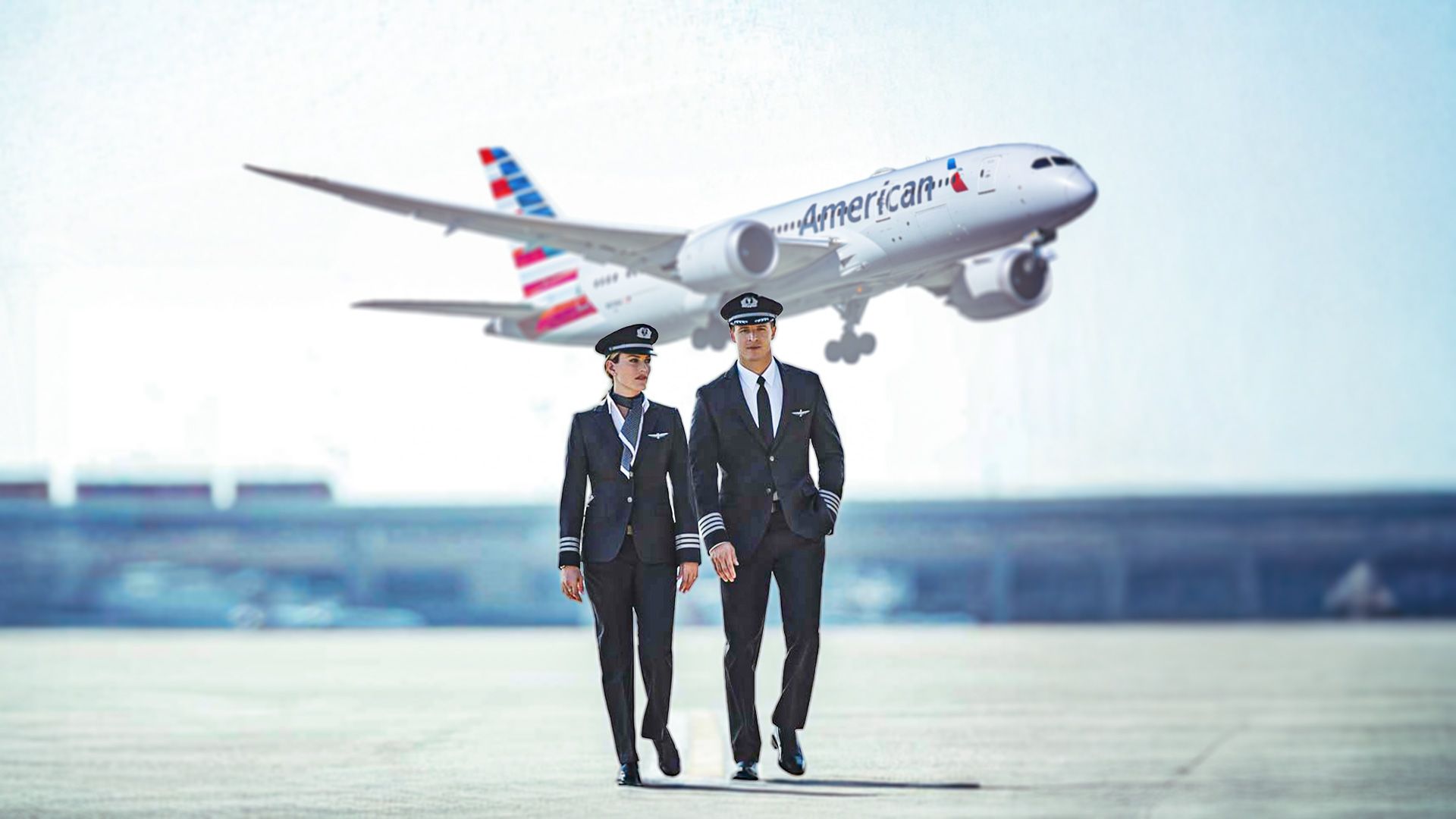
American Airlines has stirred discontent among its frequent flyers due to a recent policy change that prioritizes pilots over loyal first-class travelers for upgrades. This adjustment, part of a contract agreement with the Allied Pilots Association (APA) finalized in 2023, allows pilots deadheading on international flights to access the highest class of service, effectively sidelining elite members of the airline’s loyalty program, AAdvantage.
Many frequent flyers are voicing their frustrations, arguing that the new policy diminishes the value of complimentary upgrades, a significant benefit for dedicated customers. With limited first-class seating, typically only one or two seats available for upgrades within 24 hours of departure, passengers are increasingly finding themselves in coach while pilots occupy premium seats. This has led to claims that high-paying customers should be prioritized over employees, regardless of internal labor agreements.
Under the new policy, pilots must comply with legal crew rest requirements, which is why they are given priority for first-class upgrades. This arrangement aims to ensure that pilots are adequately rested before operating a flight, adhering to safety standards set by the Federal Aviation Administration (FAA).
Operational Changes and Passenger Discontent
The dissatisfaction among AAdvantage members is compounded by the already competitive nature of securing upgrades. American Airlines has been actively selling last-minute first-class tickets at discounted rates, further limiting the availability of complimentary upgrades. As the airline’s management, including CEO Robert Isom, defends the policy as essential for enhancing pilot training and career development, many loyal customers feel their interests are being overlooked.
Critics describe the policy as “another nail in the coffin” for elite status, particularly as deadheading pilots now occupy the same upgrade inventory that premium members have paid substantial amounts for. This shift is seen as a significant change in the airline’s customer service dynamics, especially as upgrades are becoming increasingly elusive.
The upgrade policy was negotiated by the APA to align American Airlines with standards set by other major carriers such as United Airlines and Delta Air Lines. Deadheading pilots are assigned to first class on long-haul flights, ensuring they are well-rested to maintain safety on subsequent flights.
Impact of the Pilot Shortage on Airline Operations
The policy change reflects broader challenges within the aviation industry, particularly the ongoing pilot shortage. With an average loss of between 3,000 and 4,000 pilots annually due to mandatory retirement at age 65, airlines are under increasing pressure to attract and retain skilled pilots. American Airlines has announced plans to hire 10,000 pilots over the next five years to address this shortfall and support its operational needs.
The current labor landscape means that airlines must provide competitive benefits to retain pilots, making quality-of-life policies like the first-class upgrade for deadheading pilots essential. While this may frustrate some passengers, it is seen as a necessary step to ensure that aircraft remain operational and flights are adequately staffed.
As part of a $9.6 billion labor agreement with the APA, this policy is unlikely to change in the upcoming negotiations set to begin in late 2026. With the balance of power shifting towards pilots, airlines may continue to face challenges in maintaining customer satisfaction while meeting operational requirements.
Despite passenger frustrations, American Airlines maintains that prioritizing pilot well-being is crucial for safety and efficiency. The airline has emphasized that while customers are entitled to the seats they purchase, a rested pilot is vital for safe operations. As the aviation industry evolves, it appears that the dynamics of service and employee benefits will continue to shape the customer experience.
In this context, the recent policy change at American Airlines highlights the ongoing adjustments airlines must make to navigate the complexities of labor relations and operational demands, all while striving to meet the expectations of their loyal customers.