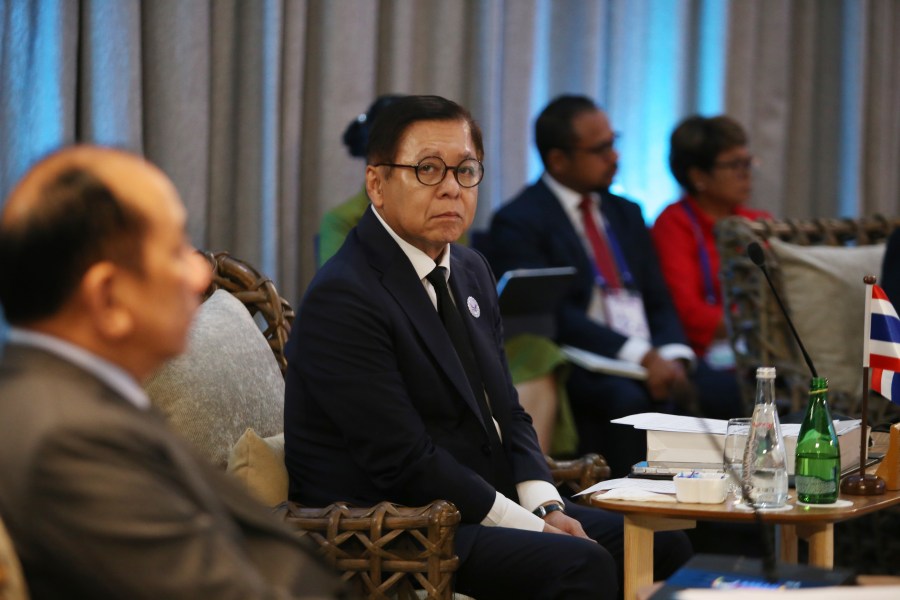
A five-year-old peace initiative aimed at resolving Myanmar’s ongoing civil war remains a focal point for the Association of Southeast Asian Nations (ASEAN), despite its evident shortcomings. Thailand’s Foreign Minister, Prajin Juntong, stated on February 2, 2024, in Cebu, Philippines, that the original plan could still play a role in restoring peace, particularly as new leadership emerges from recent elections.
The civil unrest in Myanmar escalated significantly following the military coup in February 2021, which ousted the democratically elected government. The violent backlash from the military junta has resulted in widespread clashes between government forces and various ethnic armed groups, leading to a humanitarian crisis that has displaced millions.
Prajin Juntong emphasized that while the peace plan has not achieved its intended goals, it remains a useful framework for future dialogues. He noted that engaging with new leaders could pave the way for a renewed commitment to peace, highlighting the importance of unity among ASEAN member states in addressing the crisis.
Over the past three years, ASEAN has faced criticism for its handling of the Myanmar situation. Critics argue that the bloc’s response has been insufficient given the scale of violence and human rights abuses reported in the country. The ongoing conflict has resulted in over 2,000 deaths and countless injuries, underscoring the urgency for a robust resolution strategy.
Despite these challenges, ASEAN’s resolve to continue with the peace initiative reflects a broader commitment to regional stability. The organization has previously convened meetings to discuss strategies for peace, although tangible outcomes have been limited. In light of the recent elections in Myanmar, Thailand’s top diplomat expressed hope that new leaders might be more amenable to dialogue and reconciliation efforts.
As ASEAN navigates the complex political landscape of Myanmar, the focus remains on transforming the peace plan from a theoretical framework into actionable steps. The international community watches closely, urging ASEAN to take decisive measures to facilitate a peaceful resolution to the prolonged conflict.
The situation in Myanmar remains fluid, and while the peace initiative may serve as a guide, the path to peace will require commitment from all parties involved. The ASEAN bloc is tasked with balancing its diplomatic efforts while addressing the humanitarian needs of the people affected by the civil war. The next steps will be crucial in determining whether this long-standing initiative can adapt to the current realities and contribute to lasting stability in the region.