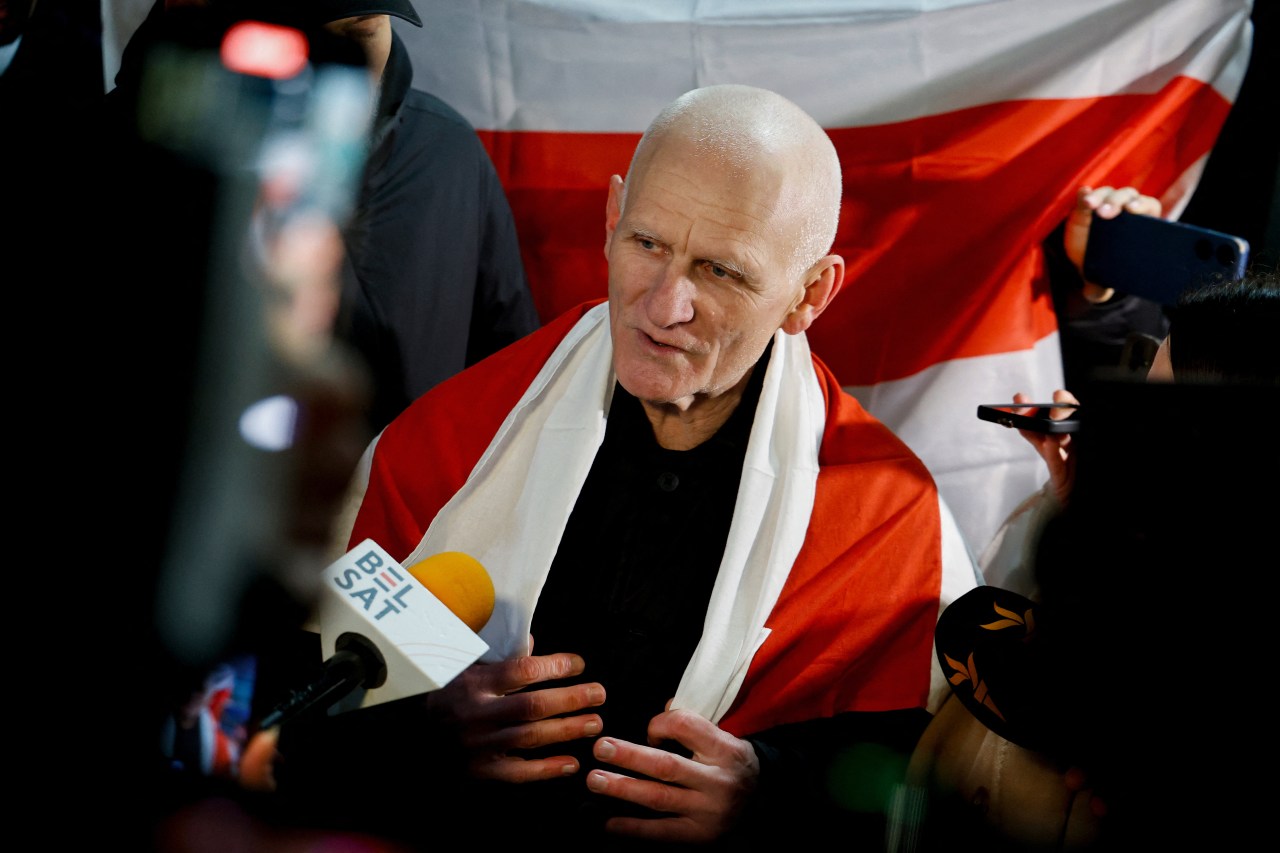
Belarus has released prominent political prisoners, including Nobel Laureate Ales Bialiatski, following a recent easing of sanctions by the United States. This significant development marks a notable shift in the relationship between Washington and Minsk, as both sides appear to be exploring avenues for renewed dialogue.
The release of Bialiatski, who has been a leading figure in the Belarusian pro-democracy movement, comes after he spent nearly two years in prison on charges widely regarded as politically motivated. His organization, Viasna, has been instrumental in advocating for human rights and democratic reforms in Belarus. The U.S. government had imposed sanctions on Belarus in response to the country’s crackdown on dissent, particularly after the controversial 2020 presidential election.
Significance of the Release
The timing of these releases coincides with a broader thaw in relations between Belarus and the West. Following a series of diplomatic engagements, the U.S. decided to lift some sanctions, a move aimed at encouraging a more constructive dialogue with the Belarusian government. Analysts suggest that this change could foster a more stable political environment in the region.
According to statements from the European Union, the release of political prisoners is a positive step towards addressing the ongoing human rights violations in Belarus. The EU has consistently called for the release of all political detainees as a prerequisite for improved relations. The bloc has also indicated its willingness to recalibrate its own sanctions policy, contingent on further democratic reforms by the Belarusian government.
The release of Bialiatski and others has been met with cautious optimism by human rights advocates. Many view it as a potential turning point in Belarus’s political landscape. “This is a significant moment for those who have fought for freedom and justice in Belarus,” said a spokesperson for Viasna. “We hope this will lead to a broader change in policy.”
Future Implications
The implications of these releases extend beyond Belarus’s borders. The U.S. and European Union’s approach towards Belarus may evolve further, depending on how the government responds to international calls for reform. Continued dialogue could pave the way for increased collaboration on issues such as trade, security, and human rights.
However, the situation remains delicate. Belarusian authorities have historically shown a reluctance to fully embrace democratic reforms, and skepticism persists regarding their commitment to human rights. Observers warn that while the release of political prisoners is a step in the right direction, it does not guarantee a lasting change in the government’s approach to dissent.
For now, the world watches closely as Belarus navigates this critical juncture. The actions taken by both the Belarusian government and international powers will play a crucial role in shaping the future of democracy in Belarus and the broader region.