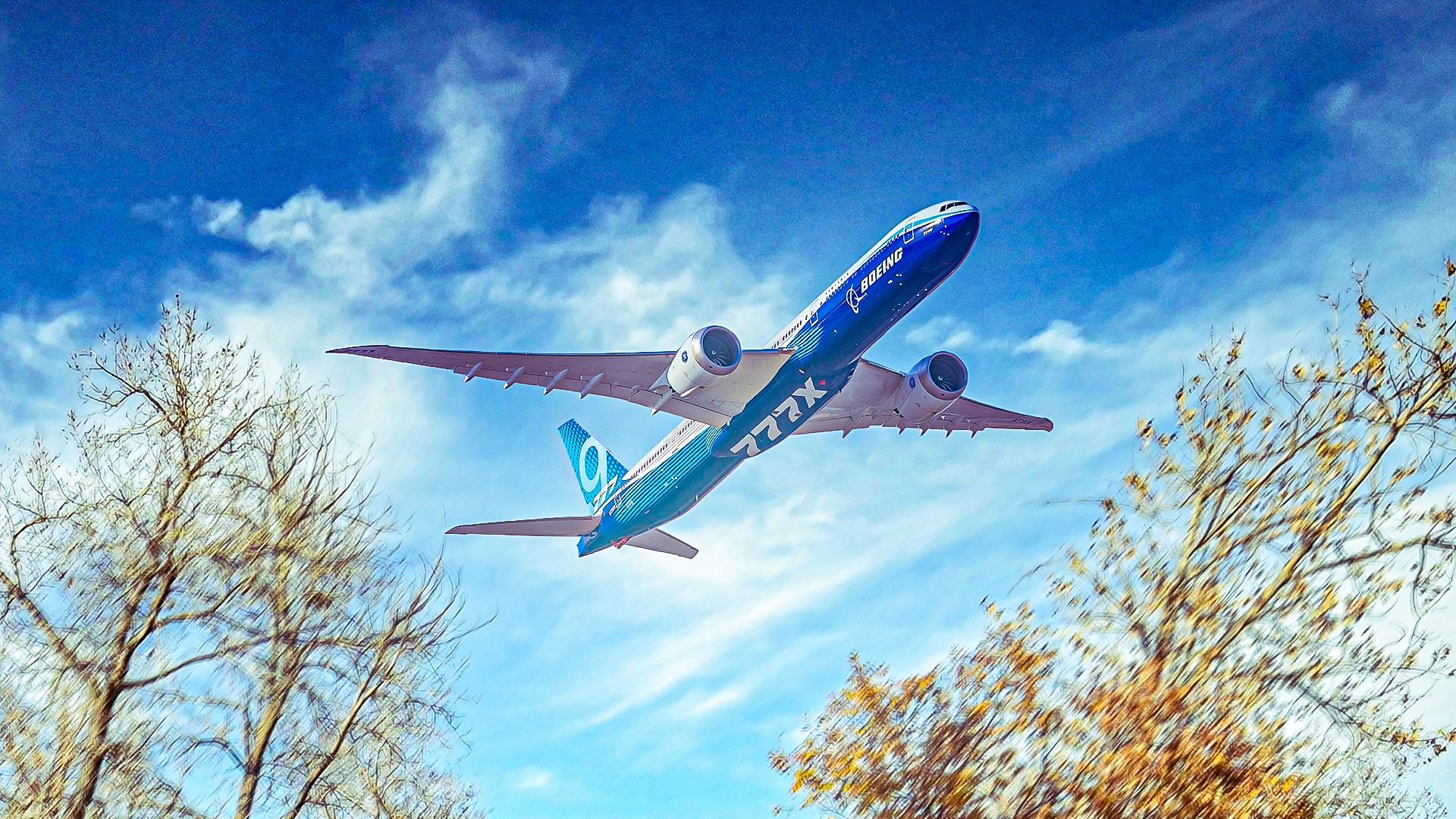
Boeing has introduced its new aircraft, the 777X, which features a groundbreaking cabin experience that sets it apart from its predecessor, the 777. With enhancements aimed at passenger comfort and operational efficiency, the 777X is poised to redefine long-haul travel.
The design of the 777X is heavily influenced by the popular 787 Dreamliner, incorporating larger windows and flexible cabin configurations. These changes not only promise a more modern aesthetic but also aim to improve the overall travel experience for passengers. The new aircraft will feature windows that are more than 15 percent larger than those on competing models, allowing for increased natural light and better views, particularly for those seated in middle rows.
Innovative Cabin Design Enhancements
Boeing’s commitment to passenger comfort is evident in the various upgrades found in the 777X. The aircraft is designed with a cabin altitude of 6,000 feet, akin to the 787, which reduces fatigue during flights. Enhanced air filtration systems and higher humidity levels contribute to a healthier in-flight environment. Additionally, the cabin is 16 inches wider than that of its competitors, providing airlines with the flexibility to offer economy class seat widths of up to 18 inches.
The innovative use of modular cabin architecture allows airlines to customize interior layouts to reflect their brand identities. Airlines can choose from a variety of ceiling designs and luggage bin configurations, creating a unique atmosphere for each cabin class. This adaptability marks a significant departure from the traditional fixed designs seen in earlier aircraft models.
The new LED lighting system further enhances the passenger experience, allowing airlines to create various ambiances throughout the flight. With the option for electronic dimming, passengers can customize window brightness to their liking without compromising their view of the outside.
Collaboration and Feedback-Driven Design
Boeing’s design process for the 777X has been notably collaborative, with input from numerous airlines contributing to the aircraft’s development. The company utilized a 40-foot cabin mock-up to gather feedback from potential customers long before the aircraft was publicly announced in 2013. This proactive approach has helped shape many of the features that are now standard in the 777X.
Bob Feldmann, Vice President and General Manager of the 777X Program, emphasized Boeing’s dedication to innovation at the 2015 Farnborough Airshow, stating, “Boeing has always been committed to exploration and research that leads to the right innovations needed to deliver a superior passenger experience.” The positive feedback received from airlines regarding the design concepts affirms the success of this approach.
The larger windows, which measure 162 square inches, are engineered to provide unobstructed views for all passengers, even those seated in the middle. This design decision was influenced by research indicating that passengers prefer seeing the horizon during flights.
In addition to aesthetic changes, the 777X’s engines, the GE9X, are designed to be fuel-efficient while also significantly reducing cabin noise. This combination of quieter engines and innovative design features is expected to enhance the overall travel experience.
As Boeing prepares for the 777X’s entry into service, the anticipation surrounding the aircraft is palpable. The company aims to complete the certification process by early 2025, with deliveries expected to follow shortly thereafter. By prioritizing passenger comfort and modern design, the 777X is set to be a transformative addition to the aviation industry.
Through its commitment to innovation, collaboration, and passenger-focused design, Boeing is poised to redefine the flying experience with the introduction of the 777X. The aircraft’s enhancements signal a new era in air travel, promising comfort and functionality for both airlines and passengers alike.