The decision not to rename the McDonnell Douglas MD-11 after Boeing’s acquisition of McDonnell Douglas on August 1, 1997, raises questions about branding in the aviation industry. Despite the merger, Boeing opted to retain the MD-11 designation, a choice rooted in the aircraft’s established presence in the market and its operational history.
Boeing inherited the MD-11 at a time when it had already become a mature, certified, and widely used aircraft. By the date of the merger, the MD-11 had a significant operator base and an existing order backlog, making a name change impractical. Implementing a rebranding would have involved extensive revisions to manuals, training materials, and regulatory documentation, which could lead to confusion among operators and regulators alike.
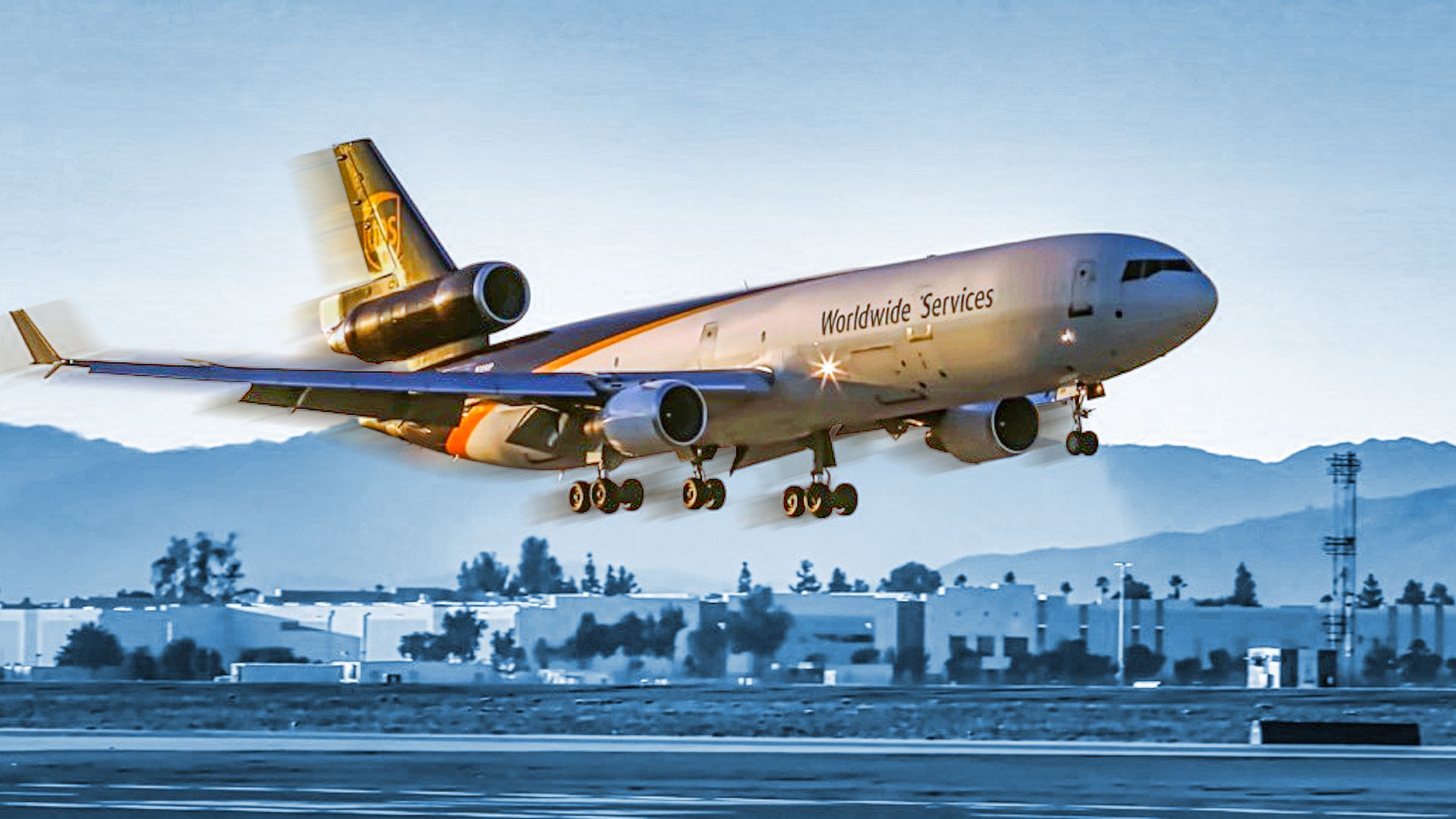
The MD-11, designed to extend the capabilities of the DC-10, first took to the skies in 1990 and entered service the following year. With its three-engine layout, the aircraft was marketed as a medium- to long-haul solution, capable of carrying approximately 300 to 400 passengers, depending on the configuration chosen by airlines. Its long-range capabilities, combined with the introduction of a two-pilot cockpit, positioned the MD-11 as a competitive option in the market.
Operational History and Market Dynamics
In passenger service, the MD-11 was a prominent player during the 1990s and early 2000s, serving major airlines such as Swissair, KLM, and Delta Air Lines. It fulfilled a critical role in long-haul operations, bridging the capacity gap between larger aircraft like the Boeing 747 and smaller widebodies. However, as the aviation landscape evolved, the rise of more efficient twin-engine aircraft like the Boeing 777 and Airbus A330 began to erode demand for three-engine models.
Ultimately, only 200 MD-11s were produced before Boeing announced a phase-out of the aircraft in 1998. The MD-11 found a new lease on life primarily in cargo operations, with Federal Express emerging as the largest operator. Other carriers, including UPS and Lufthansa Cargo, relied on the aircraft’s range and payload capacity for intercontinental services.
The decision to keep the MD-11’s name aligns with Boeing’s strategy of maintaining continuity for existing customers. Rebranding an aircraft that had already been integrated into airline fleets would have led to unnecessary complications and costs. As a result, Boeing’s focus shifted to supporting the existing MD-11 operators rather than pursuing a rebranding initiative.
Boeing 717: A Different Branding Approach
In contrast, the Boeing 717, which originated as the MD-95, underwent rebranding after the merger. This decision was driven by the need to position the aircraft within Boeing’s product lineup as a new offering rather than an established model. The 717 was not yet entrenched in airline operations, making it feasible for Boeing to introduce a new name that would resonate with potential customers.
The rebranding of the MD-95 to the 717 illustrates the differences in market strategy between established aircraft like the MD-11 and new programs seeking to gain traction. While the MD-11 was phased out in favor of operational continuity, the 717 required a fresh identity to attract orders and establish itself in the competitive regional aircraft market.
The MD-10 designation is another example of how operational realities influence aircraft naming. The MD-10 was derived from the DC-10 airframe but featured a modern cockpit similar to that of the MD-11. This modification allowed airlines to streamline training and operational procedures, highlighting the importance of practical considerations in aircraft naming.
In summary, the decision to retain the MD-11 name reflects Boeing’s focus on supporting its existing customer base while acknowledging the aircraft’s established identity within the aviation industry. The contrasting approaches taken with the MD-11 and Boeing 717 illustrate the complexities of branding in a competitive market, where operational history and customer needs play critical roles.