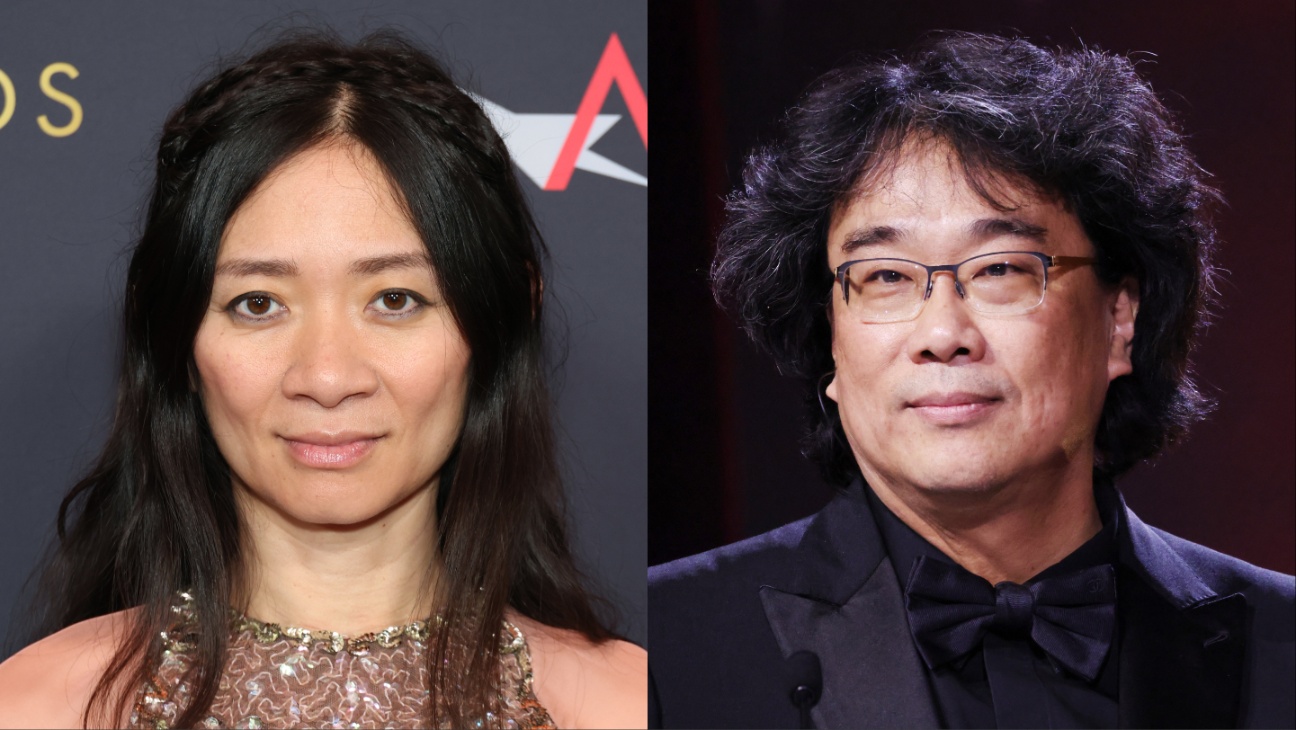
Filmmakers Bong Joon Ho and Chloé Zhao recently engaged in a heartfelt conversation regarding Zhao’s latest film, Hamnet. The dialogue took place over Zoom, marking a reunion that began during a pivotal moment in their careers. In a notable ceremony, Bong presented Zhao with the Best Director Oscar for her work on Nomadland at the 2021 Academy Awards. The event was held in a semi-virtual format due to pandemic restrictions, symbolizing a passing of the torch from one acclaimed director to another.
The two filmmakers first met in person later that year at the Venice Film Festival, where they served on the main competition jury. During their time together, they critiqued a variety of films, including Maggie Gyllenhaal’s The Lost Daughter, which featured then-emerging talents Jessie Buckley and Paul Mescal. Fast forward to today, both Buckley and Mescal are receiving acclaim for their performances in Hamnet, which recently won the Best Motion Picture (Drama) at the Golden Globes, providing Zhao a significant boost ahead of upcoming Oscar nomination voting.
In their recent discussion, which was shared exclusively with The Hollywood Reporter, Bong expressed his admiration for Hamnet while delving into the intricacies of Zhao’s creative process. One striking aspect of the film is the prominent scar on Mescal’s face, which Bong noted for its thematic importance. Zhao responded thoughtfully, indicating that the scar carries significant emotional weight throughout the narrative.
The conversation also touched on Zhao’s unique approach to casting and directing. She cited an influential scene from Akira Kurosawa’s High and Low as inspiration for her use of extras, demonstrating her commitment to enriching the film’s atmosphere. “It’s so funny you mention that film, because I actually watched it as prep for directing Hamnet,” Zhao remarked, clearly pleased by Bong’s observation.
As the dialogue deepened, Bong articulated his personal interpretations of the film’s central themes. He suggested that Hamnet raises profound questions about the role of art in addressing grief and loss. “Can it truly be equivalent? I think the film shows that it can, and that’s why it’s so desperately moving,” he stated.
Zhao, in turn, shared insights into her innovative techniques during production. She collaborated with a Jungian somatic specialist to facilitate meditation sessions for her cast and crew before filming. This practice aimed to align everyone’s emotional state with the film’s demands, creating a more profound connection to the narrative. “We played [composer] Max Richter’s music, and it was almost ceremonial,” she explained, emphasizing the importance of creating a supportive environment on set.
Toward the end of their conversation, Bong reflected on his own journey as an artist, expressing heartfelt gratitude for Zhao’s work. “As artists, as years go by, you can grow exhausted,” he said. “I felt healed watching this film. I felt like it’s time for me to make something again.” This sentiment visibly moved Zhao, prompting her to respond, “Thank you for saying that. That makes me want to make something, too.”
The conversation between these two esteemed filmmakers highlights the power of cinema to inspire and heal. As they continue to influence each other and the broader film community, Hamnet stands as a testament to their artistic journeys and shared commitment to storytelling.