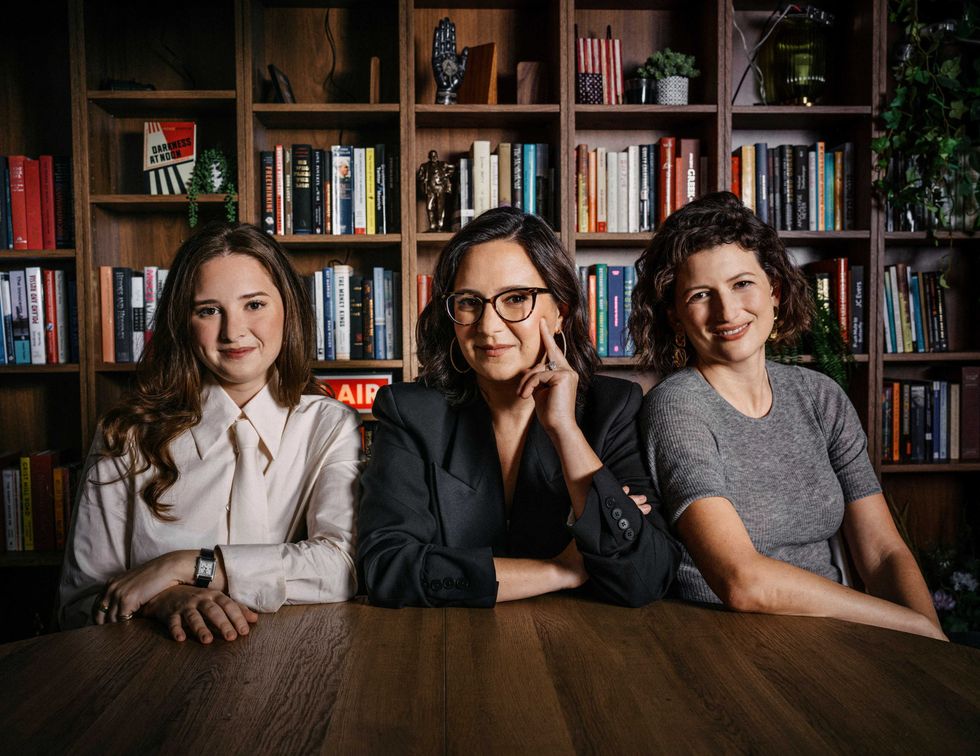
Recent actions by CBS have sparked significant criticism regarding the network’s editorial decisions, particularly under the leadership of Bari Weiss. Allegations have emerged that CBS suppressed a segment detailing the harsh conditions at the Terrorism Confinement Center (CECOT) in El Salvador, raising concerns about the role of media in shaping public perception and political narratives.
According to journalist Sharyn Alfonsi, who had prepared a report on the CECOT, the segment was abruptly pulled at the last minute. Weiss reportedly claimed that the piece required more reporting and balance, despite the fact that all parties involved had been invited to comment. Critics argue that this decision was politically motivated, aligning CBS’s editorial stance with the interests of the current U.S. administration, particularly regarding its policies on El Salvador and Israel.
The concept of “manufactured consent,” introduced by Noam Chomsky and Edward Herman in the 1980s, offers a framework for understanding how media can serve the interests of dominant political systems. In this context, CBS’s actions have been viewed as an example of this phenomenon, where critical narratives about U.S. foreign policy and human rights abuses are suppressed. The network’s decisions come at a time when the U.S. State Department has also softened its criticism of both Israel and El Salvador in human rights reporting.
The segment, which ultimately leaked online after being pulled, detailed the brutal treatment of detainees deported from the U.S. to CECOT, a prison noted for its severe conditions. Reports from Human Rights Watch and Amnesty International have highlighted the prison’s human rights violations, emphasizing the legal and ethical implications of deporting individuals to facilities known for abuse.
In a recent article, journalist Jeffrey St. Clair suggested that CBS under Weiss’s leadership might pose a greater threat to journalistic integrity than even Fox News, given that many still regard CBS as a credible news source. Alfonsi’s critique underscores the broader implications of self-censorship within mainstream media, particularly when important stories are sidelined due to political considerations.
This situation also touches on the ongoing challenges facing journalists in the U.S. Today, political freedom in the country has been criticized, with Stephen Zunes noting that the U.S. now ranks 57th in political freedom according to Freedom House. This decline highlights the potential consequences of editorial decisions that prioritize corporate interests over journalistic integrity.
The implications of these editorial choices extend beyond immediate reporting. Daniel Falcone, a historian and journalist, has pointed out how such actions contribute to a broader culture of silence surrounding critical issues. In the current political climate, where the U.S. government has been accused of violating international humanitarian law, particularly in its treatment of Venezuelan deportees, the role of media in shaping public understanding becomes increasingly important.
As the backlash against CBS continues, it raises essential questions about the responsibilities of media organizations in reporting on human rights issues and the impact of political affiliations on journalistic practices. The ongoing discourse surrounding these events underscores the need for a media landscape that prioritizes transparency and accountability, ensuring that the voices of those affected by government policies are not silenced.