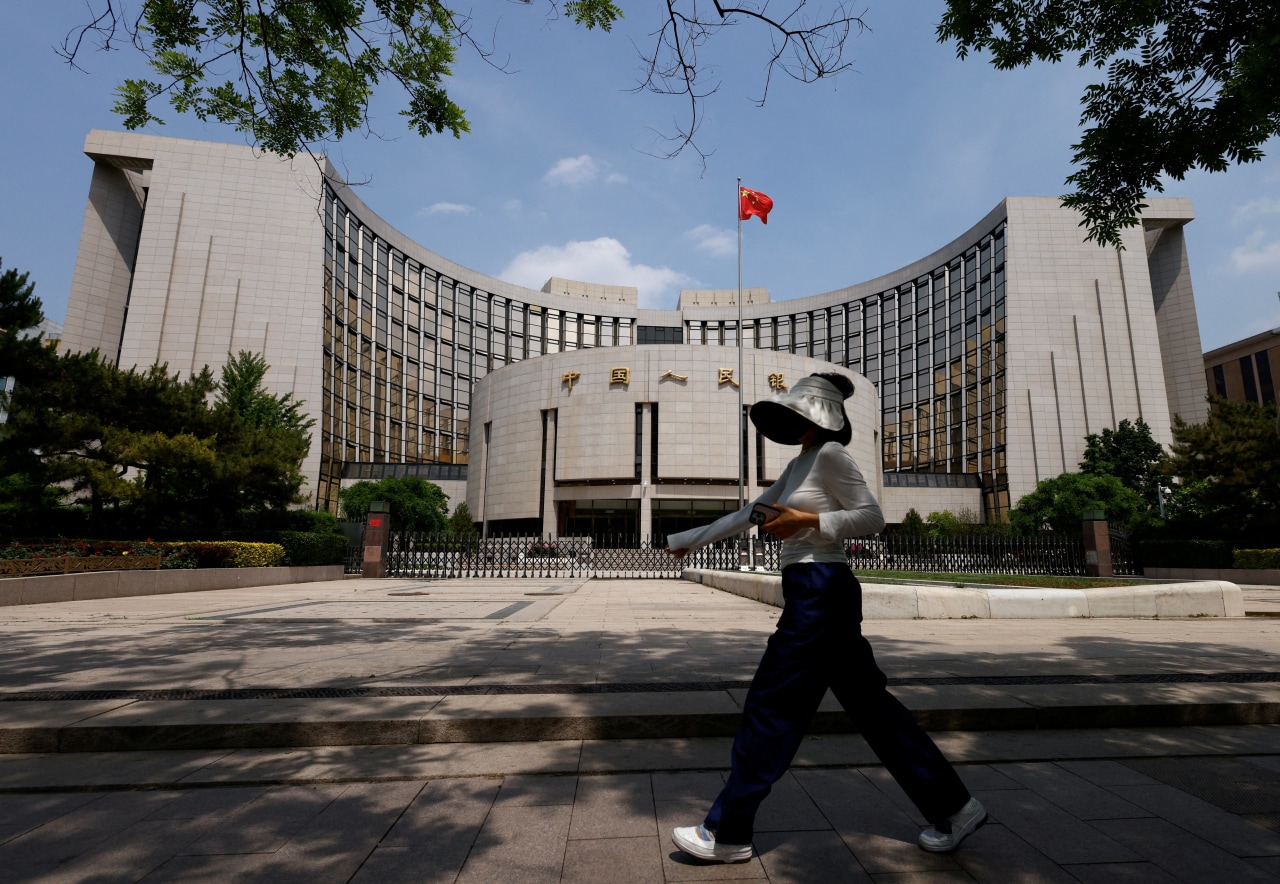
The People’s Bank of China (PBOC) has established the strongest reference rate for the yuan since May 2021, indicating a notable shift in its monetary policy. On March 15, 2024, the central bank set the yuan’s midpoint at 6.8350 per US dollar, a level that reflects increased confidence in the currency’s stability.
This development comes in the context of China’s ongoing efforts to support the yuan amid a fluctuating global economic landscape. Analysts point out that the PBOC’s decision signals a potential willingness to allow a stronger yuan, which could impact trade dynamics and foreign investment strategies.
The move is expected to influence financial markets, as a stronger yuan may enhance purchasing power for Chinese consumers and improve import capabilities. Additionally, it could attract foreign investors looking for stability in their investments, particularly in the face of global economic uncertainties.
Implications for the Global Economy
China’s decision is likely to have far-reaching implications. A strengthened yuan could help decrease the cost of imported goods, potentially alleviating inflationary pressures domestically. However, it might also challenge exporters who face increased costs when selling goods abroad.
Economic analysts suggest that this shift may be part of a broader strategy by the PBOC to manage the currency more proactively. By setting a stronger reference rate, the central bank may be attempting to bolster confidence in the yuan, especially as global markets grapple with volatility.
Moreover, the PBOC’s actions might be interpreted as a response to external pressures, including trade relations and geopolitical tensions. By signaling tolerance for a stronger currency, China could be positioning itself as a more formidable player in international markets.
Market Reactions and Future Prospects
In the wake of this announcement, financial markets have responded with cautious optimism. Traders are monitoring the yuan’s performance closely, as further strengthening could influence exchange rates and trade balances.
Market analysts are divided on the long-term effects of the PBOC’s strategy. Some believe that a stronger yuan will enhance China’s economic resilience, while others caution that it could lead to retaliatory measures from trading partners who may perceive the move as a threat to their own economic interests.
As the situation develops, the global community will be watching closely to see how the PBOC balances its objectives of maintaining currency stability and supporting economic growth. The outcome will undoubtedly affect not only China’s economy but also the interconnected global market.
In conclusion, the PBOC’s decision to set the strongest yuan reference rate in nearly three years marks a significant moment in China’s monetary policy. The implications of this move will reverberate through financial markets and global trade, shaping the economic landscape for months to come.