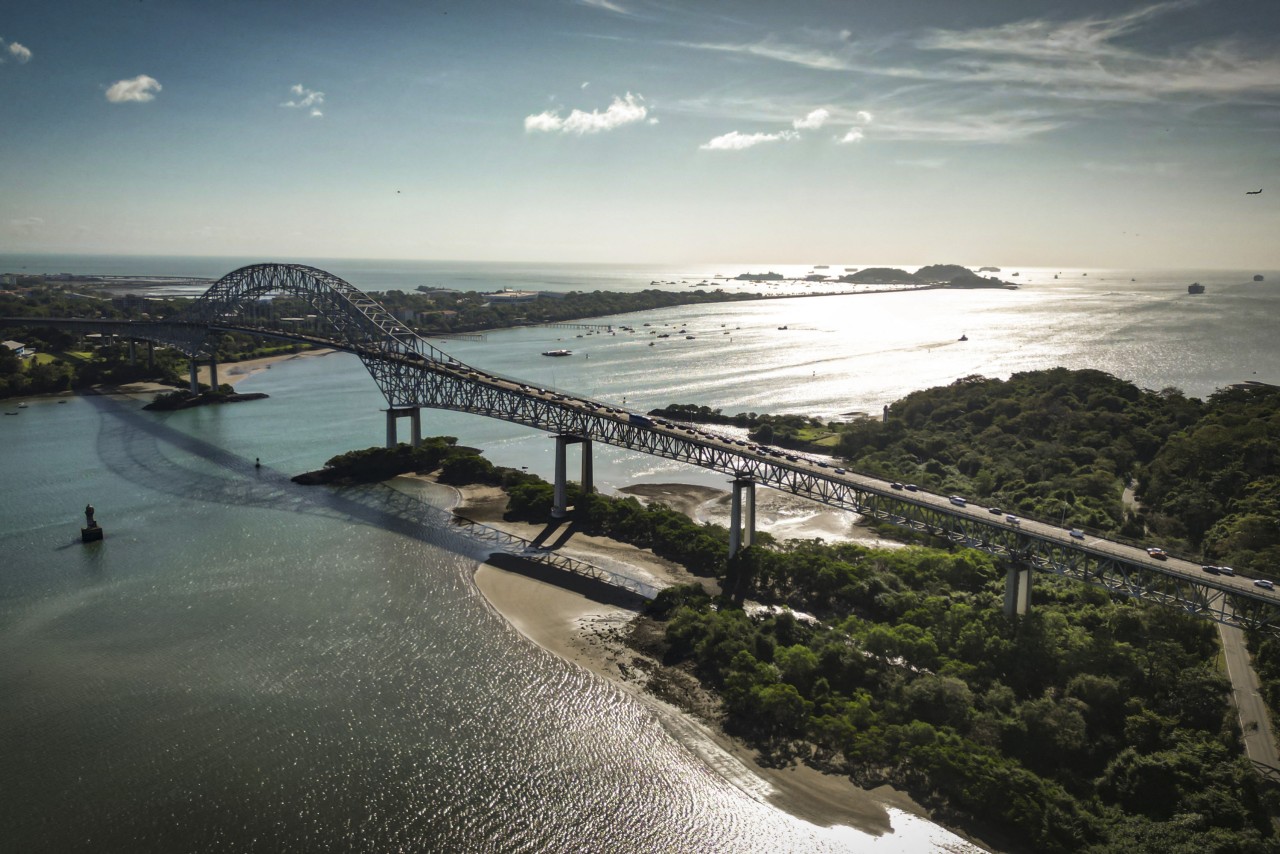
A recent ruling by the Panamanian Supreme Court has clarified the status of the Panama Canal, putting to rest claims made by former U.S. President Donald Trump that China exercises control over this crucial waterway. The court determined that there is no evidence to support assertions of Chinese ownership or influence over the canal, a vital conduit for global trade that connects the Atlantic and Pacific Oceans.
This ruling comes in the context of heightened tensions surrounding China’s investments in infrastructure across Latin America. Trump’s claims, made during his presidency, suggested that Chinese interests were undermining U.S. influence in the region. However, the recent court decision reinforces Panama’s sovereignty over the canal and emphasizes its operational independence.
Clarifying Control of a Strategic Waterway
The Panama Canal, completed in 1914, remains a strategic asset with significant implications for international shipping. Approximately 14,000 vessels transit the canal each year, making it essential for global commerce. The court’s decision confirms that the canal is operated by the Panama Canal Authority, a state-owned entity, rather than any foreign government.
The ruling has broader implications for U.S.-China relations, particularly in the context of China’s Belt and Road Initiative, which aims to enhance global trade links through infrastructure investments. Critics of Trump’s assertions argue that such claims can exacerbate diplomatic tensions and misrepresent the nature of China’s economic engagements in Latin America, which are often framed as opportunities for development rather than acts of territorial expansion.
Impact on Regional Relations
Panamanian officials welcomed the ruling, highlighting its importance in maintaining national sovereignty. Ricardo Martinelli, a former president of Panama, stated, “This decision reflects our commitment to managing our own resources and infrastructure without external interference.” The Panamanian government has actively sought to diversify its partnerships, balancing relations with both the United States and China, which has invested heavily in various sectors within the country.
Despite the court’s ruling, debates about foreign influence in Latin America are likely to continue. The International Maritime Organization recognizes the canal’s significance, and analysts suggest that countries will remain vigilant in monitoring foreign investments that may impact regional stability.
In conclusion, the ruling by the Panamanian Supreme Court not only affirms the country’s control over the Panama Canal but also serves as a reminder of the complexities surrounding international relations and trade. As global dynamics continue to shift, the focus will remain on how nations navigate their partnerships while safeguarding national interests.