The family of a Colombian man, Alejandro Carranza, has formally challenged recent U.S. military strikes, alleging that his death constitutes an extrajudicial killing. In a petition submitted to the Inter-American Commission on Human Rights on October 10, 2023, they argue that the bombing of Carranza’s fishing boat on September 15 off the Caribbean coast violated international human rights conventions.
The petition highlights the tragic circumstances surrounding Carranza’s death, asserting that the military attack targeted a civilian vessel, which the family maintains was not involved in any drug trafficking activities. According to the family’s attorney, Daniel Kovalik, Carranza was the primary breadwinner for his four children and spouse. They seek compensation for their loss and have turned to the Commission due to the challenges of pursuing a federal case in U.S. courts.
Kovalik stated, “The U.S. does not subject itself to accountability, so we’re using the avenues we have before us. We believe that a decision in our favor, combined with public pressure, can help us secure compensation and put an end to the killings in the Caribbean.”
U.S. Military Actions and Context
Since early September, the U.S. military has launched strikes against vessels it claims were transporting drugs towards the U.S., resulting in over 80 fatalities. These operations began near the Venezuelan Caribbean coast and extended to the eastern Pacific Ocean. The U.S. has significantly increased its military presence in the region, a strategy many view as an effort to pressure Venezuelan President Nicolás Maduro to resign.
While the U.S. government has asserted that its intelligence confirmed the presence of foreign terrorist organizations on the targeted boats, specific details regarding those killed in the strikes have not been disclosed. On the day of Carranza’s death, military action resulted in the deaths of three individuals. When questioned about the evidence linking the targeted vessel to drug trafficking, then-President Donald Trump claimed that large quantities of cocaine and fentanyl were found in the water; however, no photographic evidence has been made public.
Kovalik has refuted the assertion that Carranza’s boat was engaged in drug trafficking and noted uncertainty about who else may have been aboard. He has also represented President Gustavo Petro in the U.S. following sanctions imposed by the Trump administration.
Legal and Safety Concerns for the Family
The family’s petition cites evidence from reputable sources, including articles from The New York Times and The Washington Post, which discuss the circumstances of Carranza’s death and statements from U.S. Secretary of Defense Pete Hegseth. It also mentions that the family has faced threats since Carranza’s death.
“The victims do not have adequate and effective resources in Colombia to obtain reparations… Moreover, even if such resources existed, the victims could not exercise them safely, given that they have been threatened by right-wing paramilitaries simply for denouncing Mr. Carranza’s murder,” the petition states, as first reported by The Guardian.
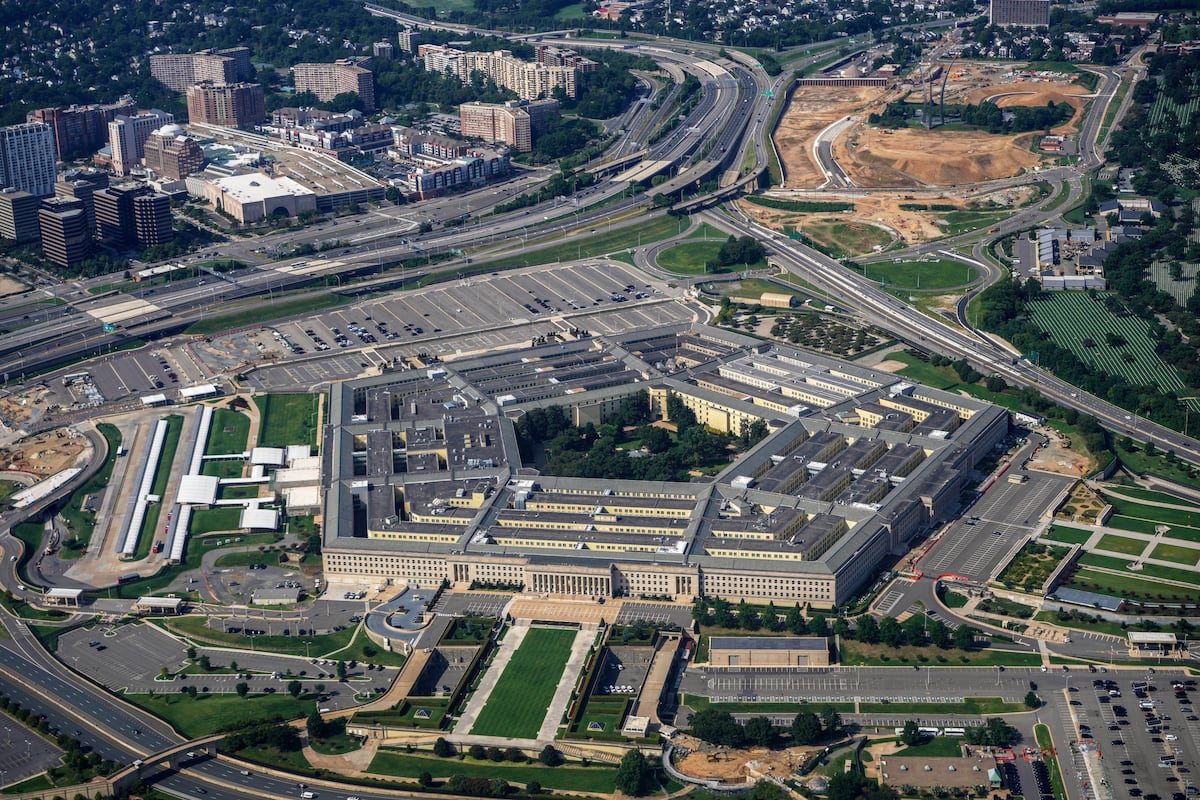
The Pentagon has not yet commented on the family’s complaint. The military strikes have garnered increased scrutiny, particularly after reports emerged indicating that Hegseth ordered a “kill everyone” directive for the first targeted boat, with an admiral approving subsequent strikes that reportedly killed two survivors.
On October 10, Trump indicated that the U.S. plans to expand its military actions on land soon, without specifying locations, suggesting Colombia among the potential targets. “We know where they live. We know where the bad ones live. And we’re going to start that very soon, too,” he stated, referring to drug manufacturers and traffickers.
As the situation develops, the Carranza family’s pursuit of justice highlights broader concerns regarding U.S. military operations in the region and their ramifications for civilian lives.