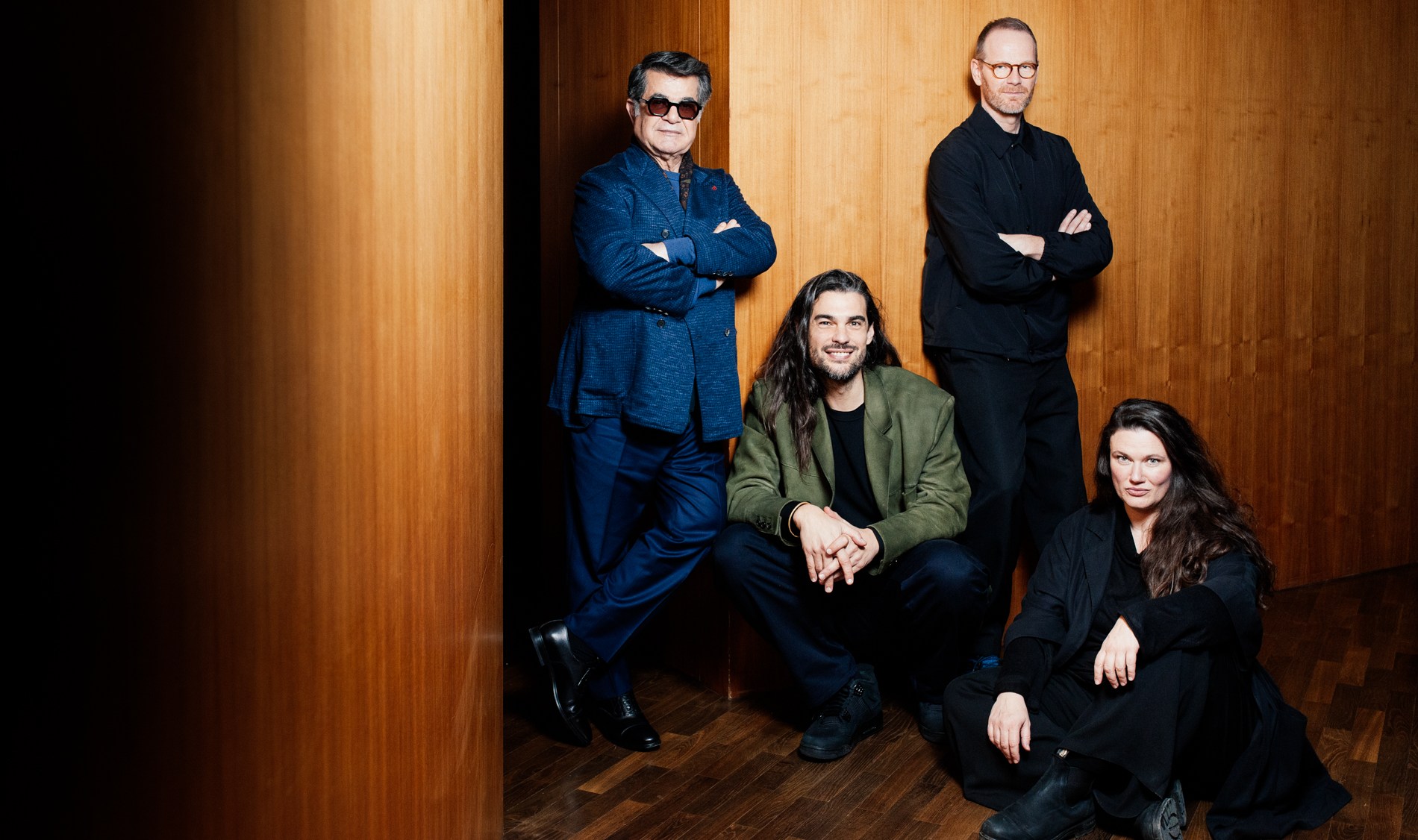
A recent roundtable discussion featured prominent filmmakers Joachim Trier, Oliver Laxe, Mascha Schilinski, and Jafar Panahi, who explored the intersection of cinema, trauma, and political themes in their work. The conversation was part of the European Cinema Roundtable, a collaboration between The Hollywood Reporter, German broadcaster DW, and the European Film Academy, held on January 16, 2024, at DW’s studios in Berlin.
The filmmakers represent a diverse range of styles and genres. Trier’s poignant Norwegian melodrama, Sentimental Value, contrasts with Schilinski’s sweeping German epic, Sound of Falling. Meanwhile, Laxe’s surreal Spanish road movie, Sirât, and Panahi’s thought-provoking Iranian thriller, It Was Just an Accident, which is competing in the Oscar race, demonstrate the rich tapestry of contemporary European cinema.
Each director reflected on their motivations for becoming filmmakers. Trier, who comes from a family of filmmakers, traced his passion back to his youth as a competitive skateboarder. He began making films at the age of fifteen, capturing the lives of his friends alongside their skateboarding adventures. Schilinski, on the other hand, shared her unconventional path, leaving school early and discovering her love for film while exploring her family’s cinematic connections.
Laxe described his artistic journey as a response to the warmth and richness of images, while Panahi emphasized his desire to tell stories from behind the camera, sparked by his childhood experiences in a working-class neighborhood. Their diverse backgrounds contribute to their unique cinematic voices, yet a common thread emerged: a recognition of the powerful impact of film.
The conversation quickly turned towards the current sociopolitical climate, particularly as Panahi addressed the severe repression faced by protesters in Iran. He expressed his anguish over the violent crackdown, stating, “The reality is that this repression has always been there in Iran after the revolution. Every time people protest, the response has been repression.” He underscored the gravity of the situation, noting that the regime’s violent response indicates its declining power.
When discussing the nature of filmmaking, Laxe posited that the act of choosing what to film is inherently political. He remarked, “There is nothing more political than the poetic,” suggesting that cinema has the potential to elevate consciousness and heal collective trauma. In contrast, Panahi distinguished between politically engaged films and socially driven narratives, emphasizing that his works focus on the human experience rather than ideological divisions.
Schilinski’s film, Sound of Falling, explores intergenerational trauma through the lens of women in Eastern Germany. Initially not focused on the political aspect, she and her team discovered hidden stories during their research that revealed the often overlooked experiences of women throughout history. This journey transformed their narrative into one that highlighted the political implications of these untold stories.
Trier’s Sentimental Value also addresses themes of trauma and family dynamics. The film follows a director attempting to reconnect with his estranged daughters through the medium of cinema. Drawing parallels from his own family history, Trier questioned how generational trauma influences relationships, particularly in a post-war context.
As the discussion progressed, the filmmakers shared their thoughts on the role of cinema in society. Laxe noted that everyone carries emotional scars that inform their creative processes. He emphasized the importance of embracing these wounds, stating, “To stop the pain, it’s really important to connect with the wound.” This sentiment resonates across their works, each exploring the complexities of human experience through a unique lens.
Panahi, who has faced significant challenges as a filmmaker in Iran, reflected on how his experiences shape his storytelling. He described filmmaking as a means to express pain and connect with others, asserting, “Whatever you do in your life, I think it will be in your films at some point.” This perspective highlights the deeply personal nature of their craft.
The conversation also touched on the significance of the theatrical experience. Trier passionately expressed his commitment to the cinematic form, stating, “I love the big screen. It’s the art form that I’ve committed my life to.” He emphasised the communal aspect of watching films, where audiences can engage with the emotional depth of the stories being told.
As the discussion concluded, the filmmakers reflected on their participation in the awards season. Trier referred to it as a “privilege” to share their work and engage with audiences, while Laxe noted the diverse interpretations of their films across different cultures. Panahi shared his joy at finally being able to screen his films with an audience after years of restrictions, underscoring the unique experience of communal viewing.
The European Cinema Roundtable provided a platform for these directors to articulate their views on the political dimensions of filmmaking, the impact of trauma, and the enduring relevance of cinema in contemporary society. Their insights reveal a profound understanding of the role of art in reflecting and shaping the human experience, reaffirming that cinema remains a vital medium for storytelling and cultural discourse.