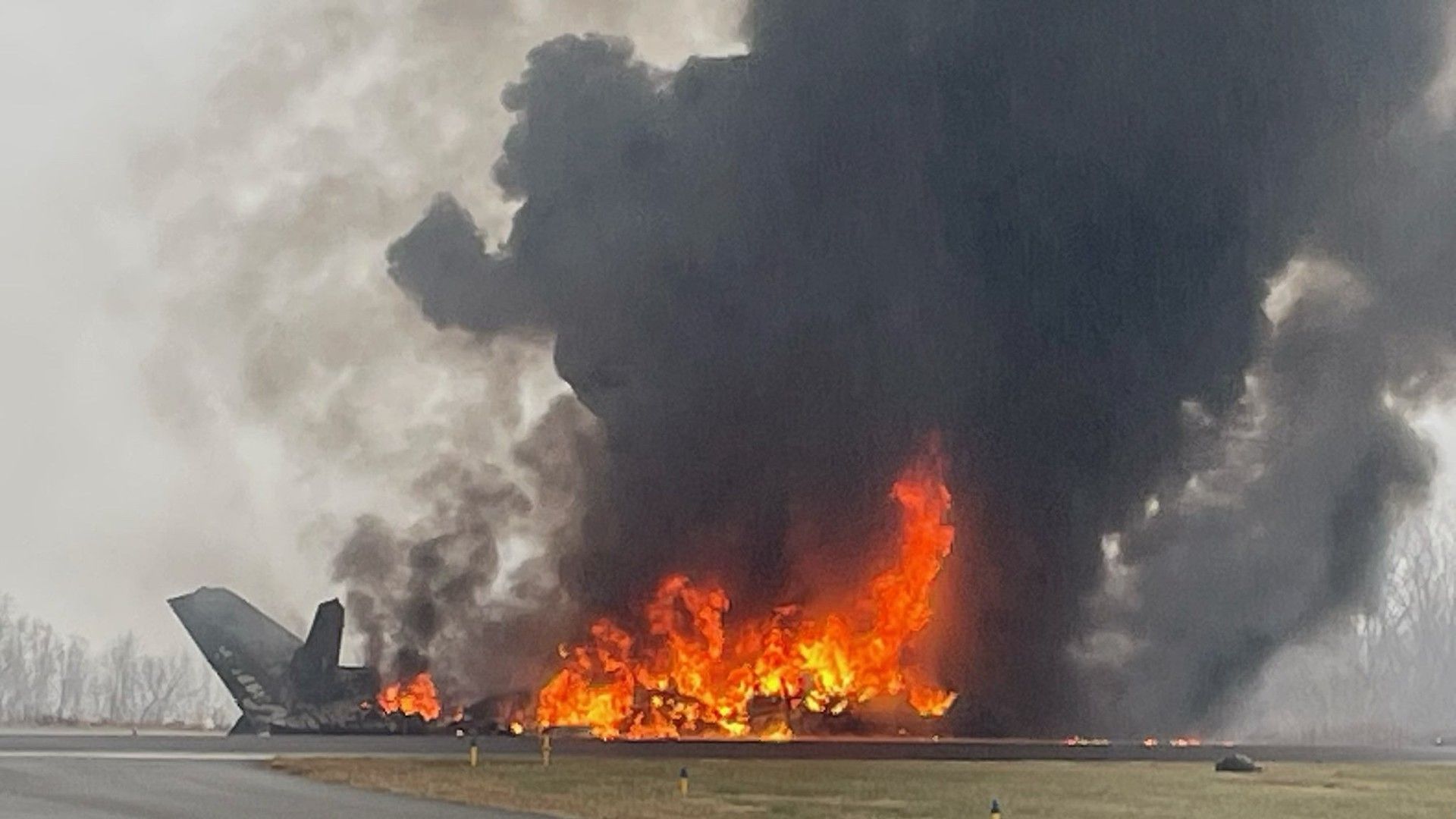
A tragic accident occurred on December 18, 2025, when a Cessna C550 Citation II crashed at Statesville Regional Airport in North Carolina, resulting in the deaths of seven individuals, including former NASCAR driver Greg Biffle. A joint statement released by NASCAR and the victims’ families confirmed the devastating news.
The aircraft, which had departed for Florida, attempted to return shortly after takeoff due to adverse weather conditions. The jet crashed and caught fire, prompting a rapid response from emergency crews. The Federal Aviation Administration (FAA) and the National Transportation Safety Board (NTSB) are set to investigate the incident, focusing on flight data, pilot actions, and weather conditions at the time.
Details of the Incident and Casualties
The crash happened approximately 50 miles north of Charlotte at Statesville Regional Airport, a smaller facility that was closed following the incident while debris was cleared. Local authorities reported that there were seven fatalities, including five adults and two children. The identification of the victims is pending confirmation from the medical examiner, as the fire significantly affected the remains.
Reports indicated that the Cessna jet had only been airborne for a few minutes before it attempted to return to the airport. The intensity of the post-crash fire complicated initial recovery efforts, leading investigators to work meticulously to gather evidence.
A media briefing is scheduled for the following day, where officials will provide updates on the investigation and the ongoing efforts to support the affected families.
Impact and Reactions from the Community
In a heartfelt joint statement, the families of the victims expressed their grief, describing Greg and Cristina Biffle as devoted parents whose lives revolved around their children. The statement also paid tribute to Dennis Dutton and his son, Jack, as well as Craig Wadsworth, a respected figure within the NASCAR community. NASCAR issued a statement recognizing Biffle as a champion and friend, highlighting the tragic loss felt throughout the motorsports world.
At 55, Biffle was known for his remarkable career, which included 19 NASCAR Cup Series wins and a championship title. Beyond his racing achievements, he was also recognized for his charitable efforts, including using his aircraft to provide aid during natural disasters.
Officials have underscored that the investigation is just beginning, emphasizing the importance of relying on technical findings rather than speculation. Leaders in North Carolina have praised Biffle’s courage and urged the public to allow investigators the necessary time to determine the cause of the tragedy.
Investigation Process and Future Steps
As the investigation unfolds, authorities will analyze various aspects of the flight to reconstruct the events leading to the crash. Key areas of focus include radar data, air traffic control communications, and any recoverable onboard recordings. Investigators will also review the aircraft’s maintenance history, engine performance, and the crew’s training records.
Given that the jet attempted to return shortly after takeoff under challenging weather conditions, meteorological factors will play a crucial role in the inquiry. The intense fire that followed the crash could have destroyed potential evidence, making the task more complex.
The NTSB team will document the wreckage and analyze impact patterns before moving components for further examination. In the weeks ahead, the agency typically interviews witnesses and first responders before releasing a preliminary report outlining verified facts. A comprehensive final report, which will analyze all contributing factors, will take longer to complete as evidence continues to be evaluated.
This tragic incident serves as a stark reminder of the risks associated with aviation and the profound impact such losses have on families and communities.