The Glasgow Film Festival (GFF) has spotlighted minority languages in the United Kingdom with the world premieres of two significant films, showcasing Welsh and Scottish Gaelic. The festival, which runs from February 15 to March 8, 2024, has embraced this focus on lesser-known languages in its programming. GFF’s head of programming, Paul Gallagher, expressed enthusiasm for this emerging trend, noting that there is a growing audience interest in unique stories from specific communities. “Film is such a perfect way to explore lives and experiences different from our own,” Gallagher stated.
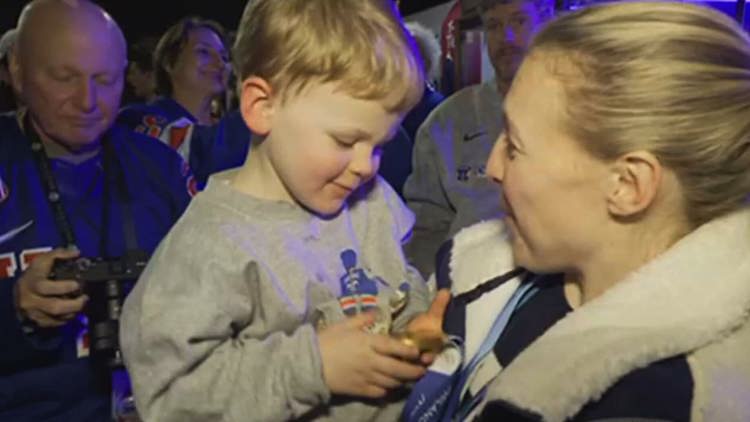
Among the featured films is Sailm nan Daoine (Psalms of the People), a documentary directed by Jack Archer. This film follows Scottish Gaelic psalm precentor Rob MacNeacail as he embarks on a musical journey across Scotland and Ireland, celebrating the cultural heritage of psalm singing. According to Gallagher, while traditional Gaelic psalm singing may be a niche interest, the film captures its significance as part of Scottish culture and its role as a community activity. “It feels like a genuine, authentic record of a part of Scotland’s culture that is familiar to anyone north of Glasgow,” he explained.
Archer emphasized the film’s aim to connect with audiences on a deeper level. “I wanted the film to be universal, and the best way to be universal is to be specific,” he said. He noted that younger viewers are increasingly accustomed to reading subtitles, making films in minority languages more accessible than before. The project received support from BBC Alba, the Gaelic-language TV channel, which helped fund the documentary with the intention of reaching both Gaelic speakers and a broader cinema audience.
The film showcases not just the beauty of psalm singing but intertwines it with the personal narrative of MacNeacail. Archer explained that the words of the psalms connect intimately with the overarching story, enriching the viewer’s experience. “One thing about Gaelic culture that lends itself to cinema is the musicality of it,” he remarked. This musical aspect is vital, as it adds layers to the storytelling and represents the broader cultural tapestry.
Archer and MacNeacail’s collaborative history added depth to the film’s creation. They previously worked together, and discussions about future projects have already begun, focusing on themes of culture, language, and the environment. The filmmaker noted that MacNeacail has created opportunities for people to engage with the Gaelic language in a supportive environment, which aligns with the film’s larger narrative goals.
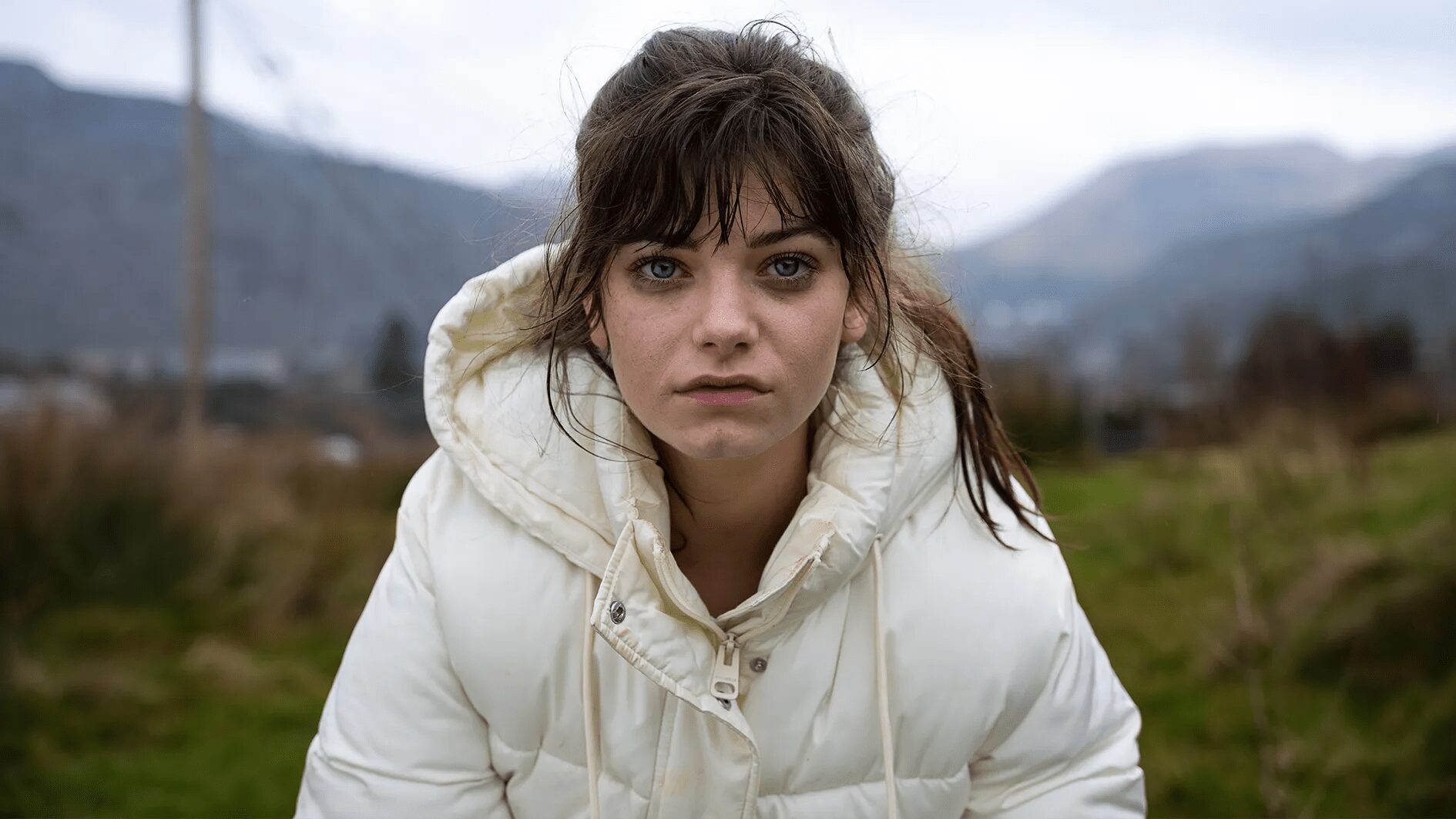
In addition to Psalms of the People, GFF features Effi o Blaenau, a Welsh-language film directed by Marc Evans. The film stars Leisa Gwenllian as a young woman navigating life in rural Wales. Evans described the film as an exploration of the Welsh language’s adaptability and its representation in cinema. He aims to create films that resonate with both local audiences and those abroad, providing a window into Welsh culture.
“Effi o Blaenau is an absolute must-see,” Gallagher praised, highlighting the film’s engaging contrast between Effi’s lively personality and the tranquil Welsh setting. Evans has a long-standing interest in the Welsh language and its presence in film. His previous works have explored similar themes, including a bilingual film and another set in Argentina about Welsh immigrants.
The director expressed excitement about the film’s debut at GFF, noting the festival’s vibrant atmosphere and its connection to both Scottish and Welsh cultures. “It’s just great to go to smaller, vibrant festivals,” he remarked, acknowledging the meaningful relationship between the two cultures.
The Glasgow Film Festival continues to draw attention to the rich tapestry of minority languages, providing a platform for unique voices and stories to resonate with a diverse audience. As the festival progresses, it showcases not just films but also the cultural heritage and communal bonds that these languages represent.