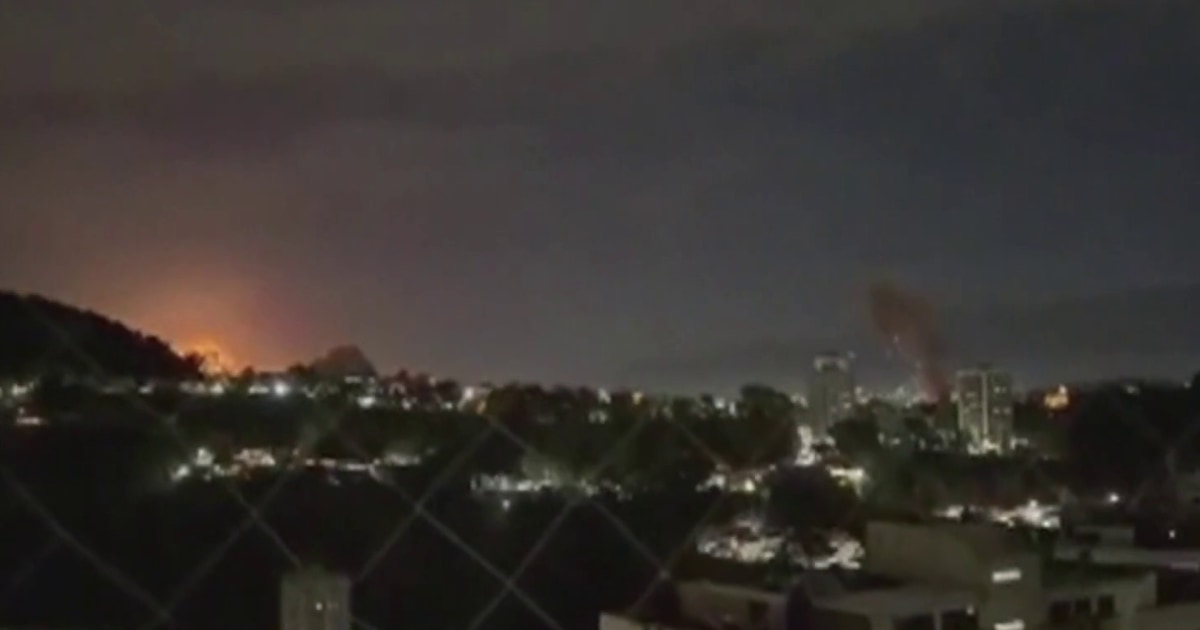
The recent military actions undertaken by the United States in Venezuela on January 3, 2026, have triggered significant international scrutiny and varied responses from global powers. Analysts are closely observing how countries like Russia and China may react to the U.S. strikes, which aim to address what the U.S. government describes as ongoing humanitarian and security crises in the region.
The U.S. strikes mark a notable escalation in its foreign policy regarding Venezuela, a nation that has faced political turmoil and economic collapse for years. According to sources familiar with the situation, the decision to execute military action was driven by the need to protect American interests and support democratic movements within Venezuela.
International Implications of U.S. Actions
The implications of these strikes extend far beyond the borders of Venezuela. Keir Simmons, Chief International Correspondent for NBC News, highlights how the U.S. military involvement could further strain relations with nations that have maintained close ties with the Venezuelan government. Both Russia and China have historically supported Venezuelan President Nicolás Maduro, viewing the country as a key ally in the region.
Russia has already condemned the strikes, labeling them as a violation of Venezuela’s sovereignty. The Kremlin has expressed its intent to bolster military cooperation with Venezuela, potentially increasing arms shipments and military advisers in response to perceived threats from the U.S. This development raises concerns about a deeper military entanglement in Latin America, reminiscent of Cold War dynamics.
China’s response, while less militaristic, has also been critical. The Chinese government has emphasized the importance of respecting national sovereignty and called for dialogue to resolve conflicts peacefully. Given China’s significant investments in Venezuela’s oil industry, any instability could jeopardize its economic interests in the region.
Regional Reactions and Future Outlook
The response from regional powers in Latin America is also pivotal. Countries such as Brazil and Argentina, which have taken varied stances on Venezuela, may find their positions tested as they navigate the fallout from U.S. actions. The potential for increased migration flows from Venezuela could lead to humanitarian challenges for neighboring nations, influencing their reactions to U.S. military involvement.
As the situation unfolds, analysts will be monitoring how these international dynamics play out. The U.S. is likely to face scrutiny not only from its adversaries but also from allies who may question the long-term strategy in Venezuela. The integration of military action with diplomatic efforts will be crucial as the U.S. seeks to balance its interests with the realities on the ground.
In conclusion, the U.S. strikes in Venezuela represent a significant moment in international relations, with potential repercussions that could reshape alliances and alter the geopolitical landscape in Latin America. As global powers respond, the situation remains fluid and complex, warranting close attention from observers around the world.