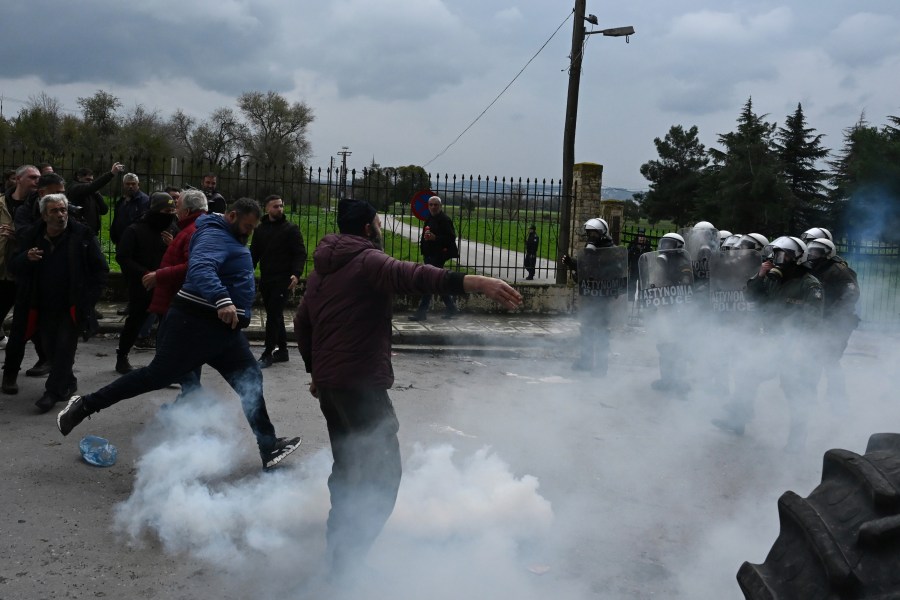
Farmers in Greece clashed with police on October 20, 2023, as they attempted to block the main access road to Thessaloniki International Airport. The protests erupted over significant delays in the payment of agricultural subsidies backed by the European Union. In response to the escalating demonstrations, riot police deployed tear gas to disperse the farmers, who had brought thousands of tractors and agricultural vehicles to the area.
The demonstrators, representing a wide range of agricultural sectors, voiced their frustration over the European Union’s failure to deliver promised financial support. Many farmers argue that these delays threaten their livelihoods, especially as they prepare for the upcoming harvest season. The situation has heightened tensions between the government and agricultural communities, reflecting broader concerns about economic support in the wake of ongoing financial challenges.
Protests Intensify Across Greece
The protests in Thessaloniki are part of a larger wave of demonstrations occurring throughout Greece. Farmers have staged blockades at several key border crossings, disrupting transportation and trade. These actions are fueled by a growing sense of urgency as farmers demand immediate action from the government and the European Union.
Strong public support for the farmers has emerged, with many citizens expressing solidarity in their calls for timely payments. As the protests continue, there are concerns that these disruptions could have further implications for Greece’s agricultural sector and overall economy.
The Greek government has acknowledged the farmers’ grievances but has urged them to pursue dialogue rather than confrontation. Officials have stated that they are working to expedite payments, but many farmers remain skeptical about the speed and effectiveness of these measures.
Impact on the Agricultural Sector
The ongoing delay in subsidy payments has raised alarm bells among farmers who rely on these funds to sustain their operations. The European Union provides significant financial assistance to support agricultural activities, but bureaucratic hurdles have hindered timely disbursement. This situation has led to heightened anxiety in an industry already grappling with challenges from rising input costs and climate-related issues.
The protests have drawn attention to the critical role of agricultural policy in Greece, a country where farming remains a vital sector. The outcome of these demonstrations could influence future negotiations between farmers and the government, as well as shape policy frameworks regarding agricultural support.
As the situation evolves, both farmers and government officials are under pressure to find a resolution that addresses the immediate concerns while ensuring the long-term sustainability of Greece’s agricultural landscape.