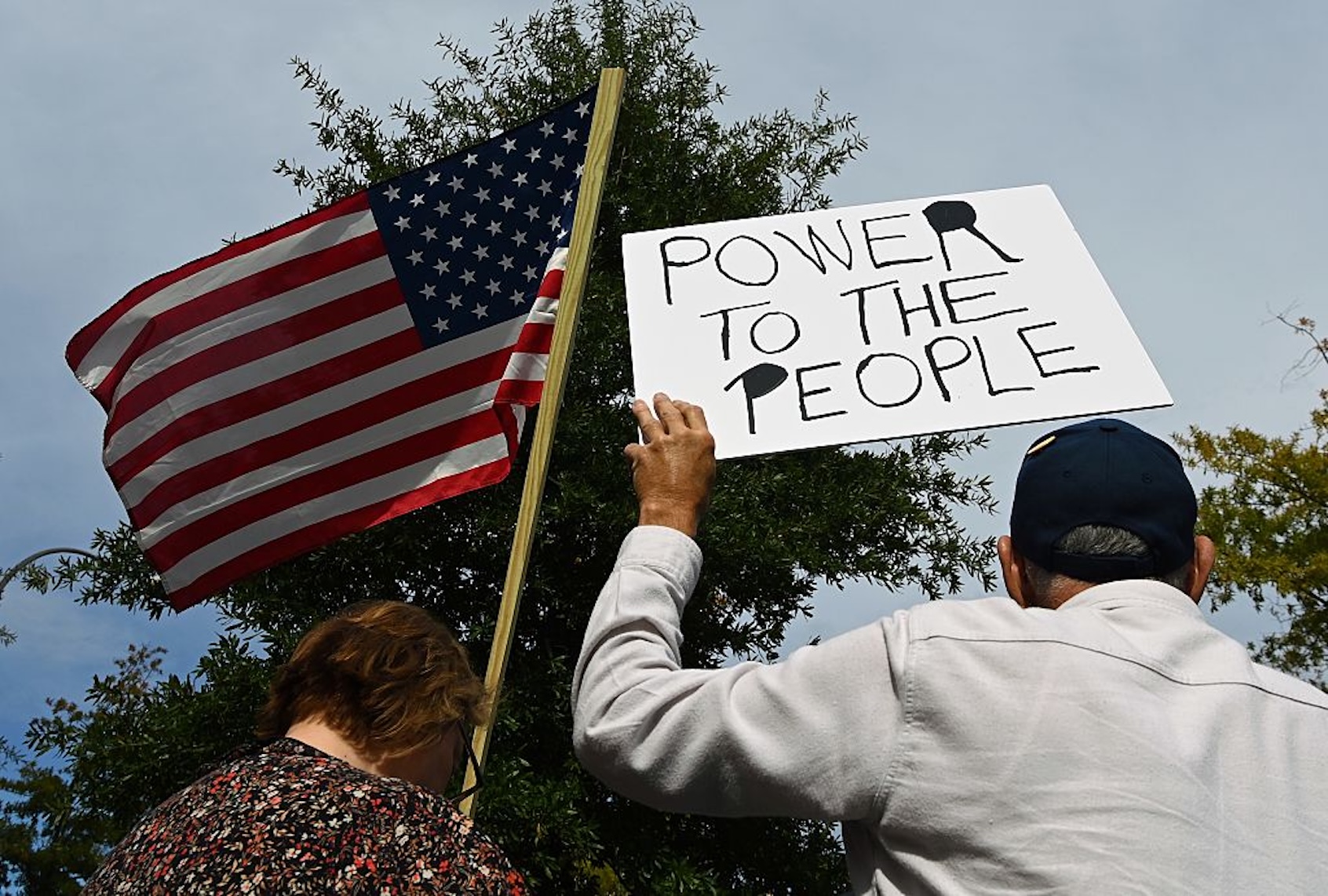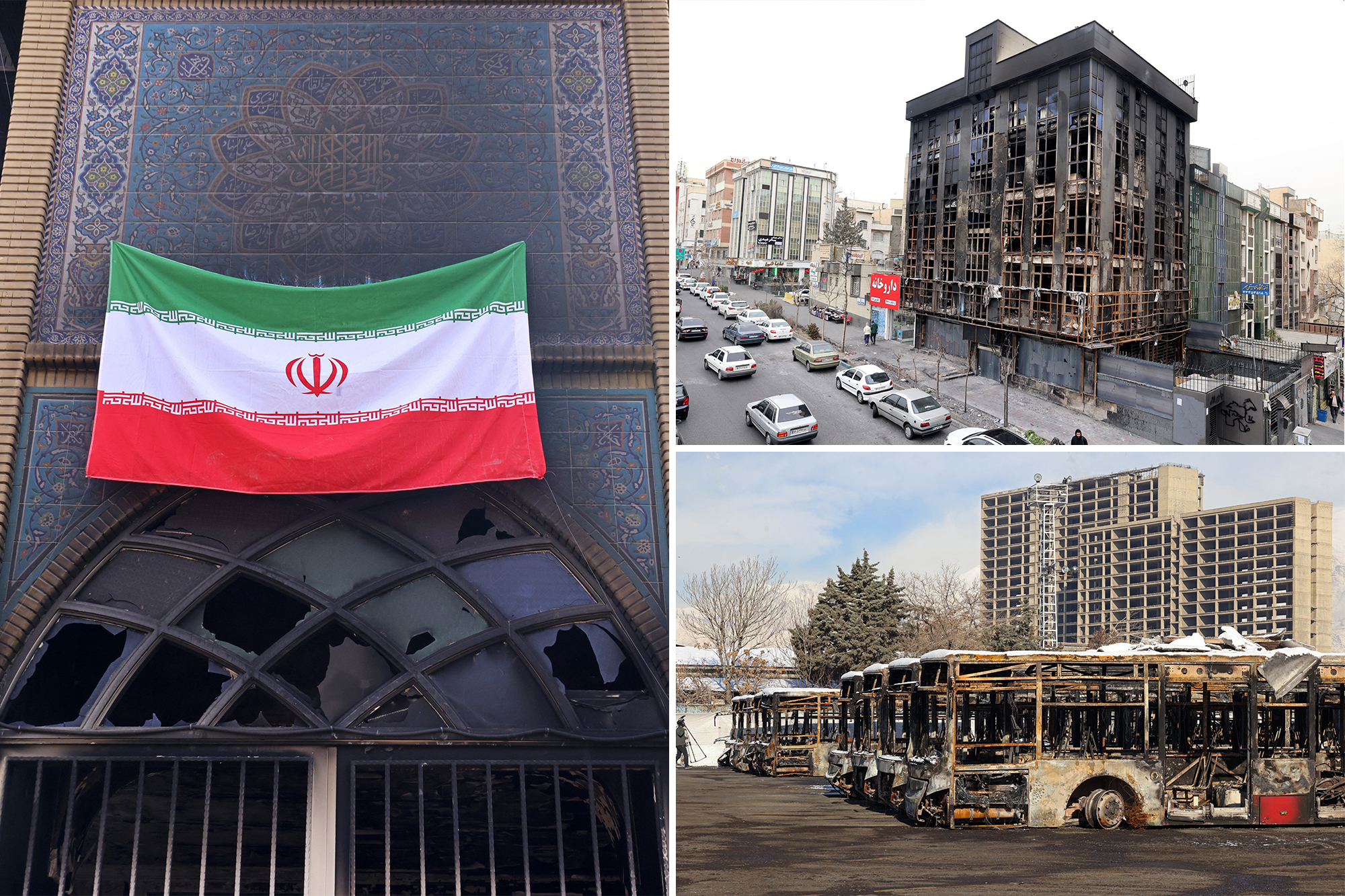
Iranian security forces have intensified their crackdown on anti-government protests by raiding hospitals and arresting wounded individuals, including actors and athletes. This alarming trend has emerged amid widespread demonstrations against the regime, which have escalated since December 28, 2022, due to grievances over a collapsing economy. The United Nations Human Rights Council has reported that security forces are pursuing injured protesters into medical facilities, leading to mass arrests across various cities.
The UN human rights chief, Volker Turk, expressed grave concern during an urgent session in Geneva, stating, “We have indications that the security forces made mass arrests in several cities, even pursuing injured people into hospitals.” He highlighted that those detained include not only ordinary civilians but also prominent figures such as lawyers, human rights activists, and individuals from the entertainment industry, all accused of supporting the protests against the regime.
The situation has escalated to the point where the Tehran Prosecutor’s Office has initiated criminal cases against various public figures, including athletes and actors, for their alleged involvement in supporting protests. Turk called on Iranian authorities to reconsider their approach, urging an end to what he described as “brutal repression.” He condemned the use of live ammunition against protesters, which has reportedly resulted in thousands of deaths, including children.
During the same session, former UN prosecutor and Iranian-Canadian lawyer Payam Akhavan called for a “Nuremberg movement” to address the atrocities committed, likening the situation to post-World War II trials for Nazi leaders. He characterized the events as “the worst mass murder in the contemporary history of Iran.” While Iran’s UN ambassador, Ali Bahreini, acknowledged around 3,000 deaths during the unrest, UN human rights experts estimate that the crackdown may have resulted in as many as 20,000 fatalities among protesters.
The UN Human Rights Council has approved a motion to extend investigations into the Iranian government’s actions against its citizens, urging Tehran to cooperate fully with the probe. The resolution saw a mixed response, with seven countries, including China and India, voting against it, while 25 nations, including France, Mexico, and South Korea, were in favor. Fourteen countries chose to abstain.
The protests, initially sparked by economic issues, have transformed into one of the most significant challenges to Iran’s clerical leadership since the 1979 Islamic Revolution. Rights groups and eyewitnesses report that the regime has responded with overwhelming force, deploying the Islamic Revolutionary Guard Corps and its Basij militia to suppress the unrest. Disturbing images have emerged, revealing the grim reality of the situation, including piles of bodies outside morgues.
In a related development, President Trump announced the deployment of at least 132,000 tons of U.S. Navy hardware towards Iran, including the nuclear-powered USS Abraham Lincoln and several guided-missile destroyers. During a press conference at the World Economic Forum in Switzerland, Trump stated that “maybe we won’t have to use” the carrier strike group but emphasized the U.S. military’s readiness. He also called for the removal of Supreme Leader Ayatollah Ali Khamenei and indicated plans for a 25% tariff on nations conducting business with Iran, including China and the United Arab Emirates.
As the situation continues to evolve, the international community watches closely, urging accountability and respect for human rights in Iran. The ongoing protests and government responses highlight a critical juncture for the nation, with implications that may resonate well beyond its borders.