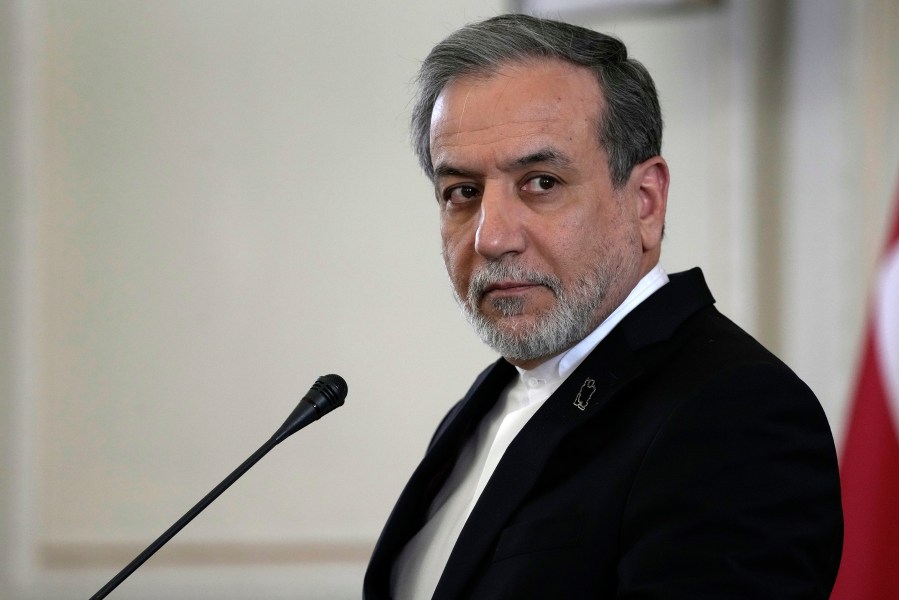
Iran’s Foreign Minister, Abbas Araghchi, has reaffirmed the nation’s resolve in the face of international negotiations, asserting that Iran’s power lies in its ability to reject the demands of major global powers. This declaration came shortly after discussions with the United States regarding Iran’s contentious nuclear program and amid ongoing protests within the country.
During a speech to diplomats in Dubai on October 15, 2023, Araghchi emphasized that Tehran’s strength is derived from its commitment to saying “no” to those who attempt to impose their will. His comments reflect a hardline stance that may complicate future diplomatic efforts aimed at resolving nuclear tensions.
The backdrop of Araghchi’s remarks includes a series of nationwide protests that have erupted over various issues, including economic hardships and political repression. As Iran faces internal and external pressures, the government’s approach towards negotiations with the US remains a focal point of international scrutiny.
Araghchi’s rhetoric signals a clear intention to maintain a firm position in negotiations. He stated, “Our strength is in our ability to resist pressure and stand firm against any form of coercion.” This statement underscores a broader sentiment within the Iranian leadership that prioritizes sovereignty and national pride over concessions.
The recent negotiations with the US have aimed at reviving the 2015 nuclear agreement, which the US abandoned in 2018. Since then, Iran has gradually increased its nuclear activities, raising concerns among Western nations about potential military dimensions of its program. The US and its allies have expressed the need for a comprehensive deal that would limit Iran’s nuclear capabilities in exchange for relief from economic sanctions.
As protests continue to challenge the government, the Iranian administration faces a delicate balancing act. Maintaining a tough stance against foreign pressure while addressing domestic discontent is crucial for the leadership’s survival. Araghchi’s comments reflect this duality, as he seeks to rally nationalistic sentiments while navigating the complex landscape of international diplomacy.
The international community is now watching closely to see how Iran will respond to ongoing negotiations and whether Araghchi’s declarations will lead to a shift in strategy or further entrenchment in its current position. The implications of Iran’s choices will have significant consequences for regional stability and global nuclear non-proliferation efforts.
In conclusion, Abbas Araghchi‘s remarks highlight Iran’s commitment to asserting its independence on the global stage. As the situation unfolds, the interplay between domestic pressures and international negotiations will be pivotal in shaping Iran’s future and its relations with the West.