Nationwide protests in Iran have entered their second week, with demonstrators continuing to challenge the government amidst escalating violence. According to the U.S.-based Human Rights Activists News Agency, at least 116 people have died in clashes between protesters and security forces, while more than 2,600 individuals have been detained since the unrest began on December 28, 2023. The situation has been exacerbated by a significant internet blackout, making it increasingly difficult to obtain accurate information from within the country.
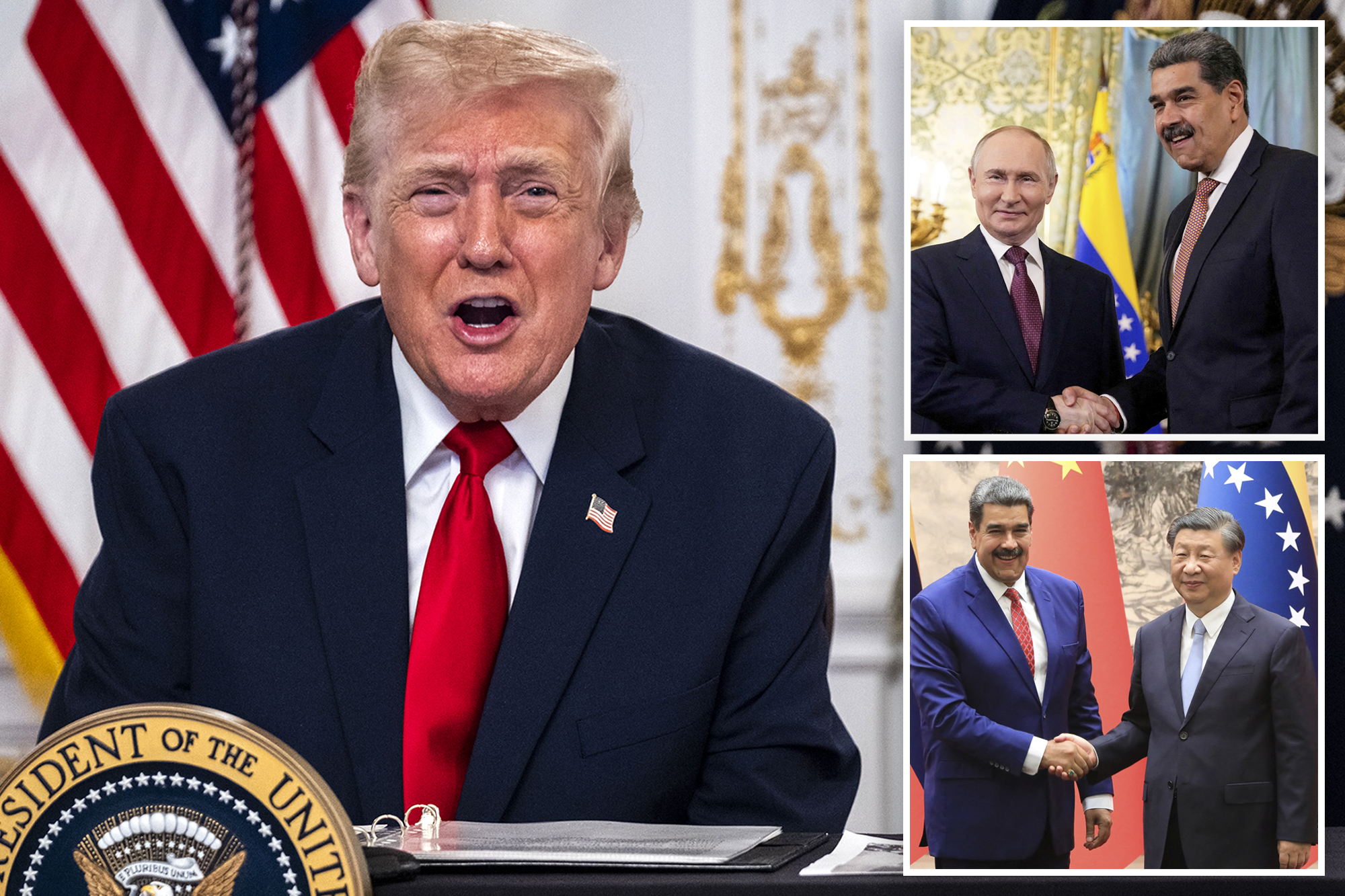
As protests surged in cities like Tehran and Mashhad, Iranian leaders have responded with stern threats. Iran’s parliamentary speaker, Mohammad Bagher Qalibaf, warned that U.S. military bases and Israel would become “legitimate targets” in the event of an American strike. This rhetoric came in response to statements from U.S. President Donald Trump, who has suggested that the U.S. is prepared to intervene if demonstrators face lethal force from the Iranian government. Qalibaf’s comments were made during a live session of parliament, where lawmakers chanted anti-American slogans.
The Iranian government has intensified its threats against protesters, with Attorney General Mohammad Movahedi Azad declaring that participation in protests could be considered an “enemy of God,” a charge that carries the death penalty. Reports indicate that the government has deployed surveillance drones and increased security forces around protest sites, indicating a readiness to suppress dissent with force.
In Mashhad, approximately 450 miles northeast of Tehran, footage purportedly showed clashes between protesters and security personnel. This city is particularly significant due to its religious importance, housing the Imam Reza shrine, the holiest site in Shiite Islam. The unrest has also spread to other areas, with protests reported in Kerman and other cities.
The protests initially erupted over the collapse of the Iranian rial, which has plunged to a staggering exchange rate of over 1.4 million to $1, further straining an economy already crippled by sanctions related to Iran’s nuclear program. Demonstrators have shifted their focus from economic grievances to broader calls for political reform, directly challenging the authority of the Iranian theocracy.
International responses have varied, with Trump expressing support for the protesters on social media, stating, “Iran is looking at FREEDOM, perhaps like never before. The USA stands ready to help!” This sentiment has reportedly emboldened many protesters, even as Iranian officials react with increased hostility to perceived foreign influence.
Former Crown Prince Reza Pahlavi, who has called for protests, urged demonstrators to carry symbols from the pre-revolutionary era, emphasizing a desire for national identity and resistance against the current regime. His involvement, however, has drawn mixed reactions, especially due to his connections with foreign powers, including Israel.
As the situation continues to evolve, the potential for a violent crackdown remains high, with Iranian leaders promising severe consequences for those involved in the protests. The international community watches closely, mindful of the implications for regional stability and the long-term future of Iran’s governance.
The coming days are critical as both protesters and government forces brace for further confrontations, with the Iranian leadership maintaining a hardline stance amid growing unrest and international scrutiny.