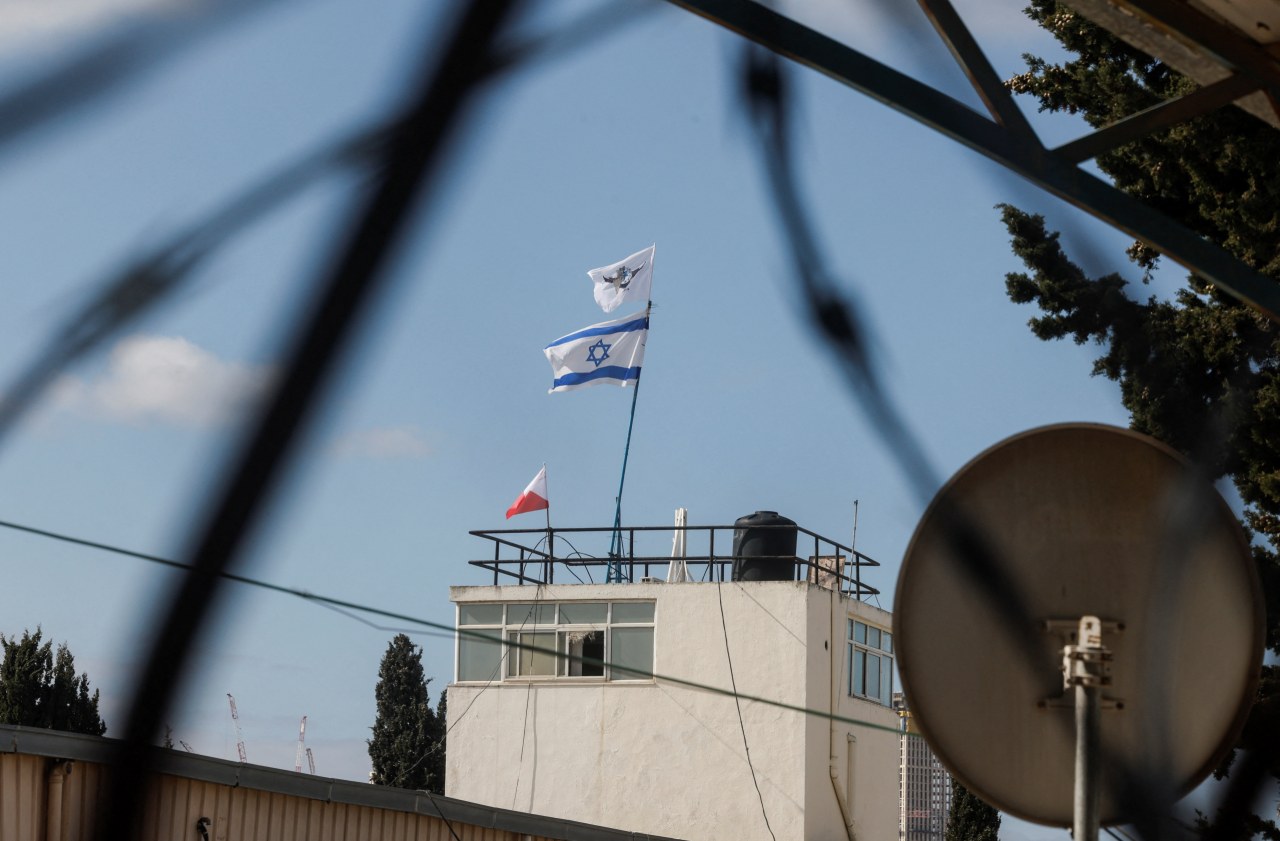
Israeli authorities have initiated the demolition of several structures within the compound of the United Nations Relief and Works Agency (UNRWA) in East Jerusalem. This action marks a significant escalation in the ongoing conflict between the Israeli government and the agency responsible for providing assistance to Palestinian refugees.
The demolitions reportedly began on September 25, 2023, as part of a broader strategy by the Israeli government to confront what it describes as illegal constructions in East Jerusalem. The UNRWA compound, located in the Sheikh Jarrah neighborhood, has been a focal point of tension, as it serves as a critical hub for humanitarian services to Palestinian refugees.
Impact on Humanitarian Efforts
The UNRWA has expressed grave concern over the demolitions, emphasizing that such actions directly impede its capacity to deliver essential services. The agency provides education, health care, and social support to approximately 5.7 million Palestinian refugees across the region. In a statement, UNRWA Commissioner-General Philippe Lazzarini asserted that the destruction of its facilities undermines the humanitarian mission and exacerbates the already difficult living conditions for the Palestinian population.
In response to the demolitions, Lazzarini urged the Israeli government to reconsider its actions, stressing that the right to humanitarian assistance must be respected. He highlighted the crucial role UNRWA plays in maintaining stability and peace in the region, stating, “Attacking the agency’s infrastructure is not a solution but rather a step backward.”
Political Context and Reactions
The demolitions come amid heightened political tensions in the region, with both local and international authorities closely monitoring developments. The Israeli government maintains that these actions are necessary for enforcing building regulations, claiming that many structures in East Jerusalem are built without proper permits.
Palestinian officials have condemned the demolitions, viewing them as an attempt to further marginalize the Palestinian presence in East Jerusalem. Nabil Abu Rudeineh, a spokesperson for Palestinian President Mahmoud Abbas, called the actions “a blatant violation of international law” and urged the international community to intervene.
International reactions have varied, with some countries expressing concern over the humanitarian implications of the demolitions. The United Nations has reiterated its support for UNRWA, emphasizing the need for protection of humanitarian workers and facilities.
As the situation continues to evolve, the implications of these demolitions extend beyond immediate logistical challenges for UNRWA. They raise critical questions about the future of humanitarian assistance in a region fraught with conflict and political strife. Observers are calling for renewed dialogue and efforts towards a sustainable resolution that respects the rights and needs of all communities involved.
The situation in East Jerusalem remains fluid, and further developments are expected as both sides navigate the complexities of this ongoing dispute.