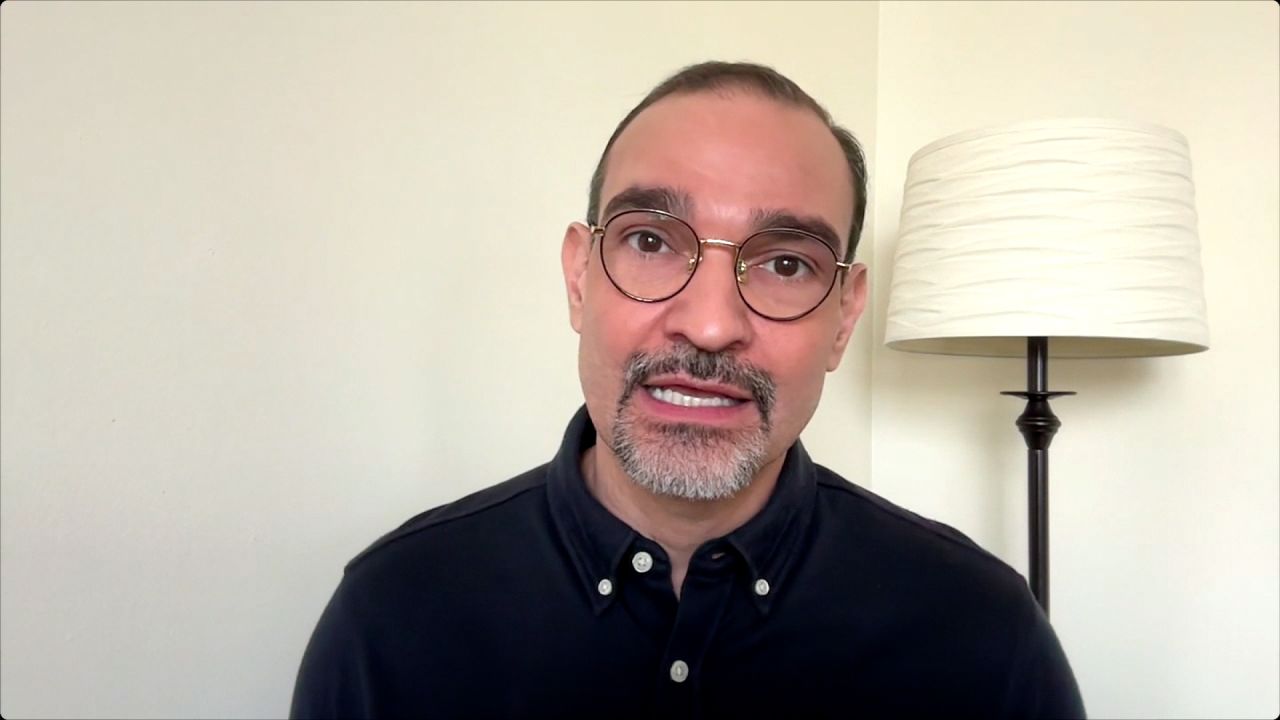
The Pentagon’s recent order to pause initial training for military recruits living with HIV has drawn sharp criticism from HIV/AIDS activist and Broadway actor Javier Muñoz. In an interview with CNN’s Danny Freeman, Muñoz described the decision as conveying a message that is “rooted in bigotry and discrimination” regarding the virus.
This decision affects potential recruits who are HIV-positive, halting their entry into the U.S. military as the Department of Defense reviews its policies. The Pentagon’s actions come at a time when medical advancements have made it possible for individuals living with HIV to lead healthy lives and serve effectively in various capacities.
Activist Response to Military Policy
Muñoz emphasized the negative impact of the Pentagon’s stance on public perceptions of HIV. He stated that this policy perpetuates harmful stereotypes and stigmas associated with the virus, which can discourage individuals from seeking treatment or support. “By sending this message, the military fails to recognize the progress we’ve made in understanding HIV and supporting those who live with it,” he remarked.
The Pentagon has not publicly addressed Muñoz’s comments directly. However, the military’s history of discriminatory practices regarding HIV has been a point of contention for many advocates. Critics argue that the decision undermines the significant advancements in medical treatment for HIV, which have transformed it from a once-deadly condition into a manageable health issue.
Historical Context and Implications
Historically, the U.S. military has maintained strict policies regarding the health status of its recruits. Until 2010, HIV-positive individuals were barred from serving in the armed forces altogether. Although this policy was lifted, recent actions suggest a regression in the military’s approach to managing recruits with HIV.
The pause in training raises questions about the military’s commitment to diversity and inclusion, particularly when considering the ongoing challenges faced by HIV-positive individuals. The decision may also have repercussions for recruitment efforts, as potential candidates may feel discouraged by a perception of discrimination within the military environment.
As discussions surrounding the treatment of HIV in various sectors continue, the Pentagon’s recent move highlights the need for a reassessment of policies that may discriminate against individuals based on their health status. The ongoing advocacy from figures like Muñoz serves as a reminder of the importance of inclusivity and support for all individuals, regardless of their medical history.
In a society that increasingly recognizes the significance of diversity, the military’s approach to HIV and health-related issues will need to evolve to reflect contemporary values and medical understandings.