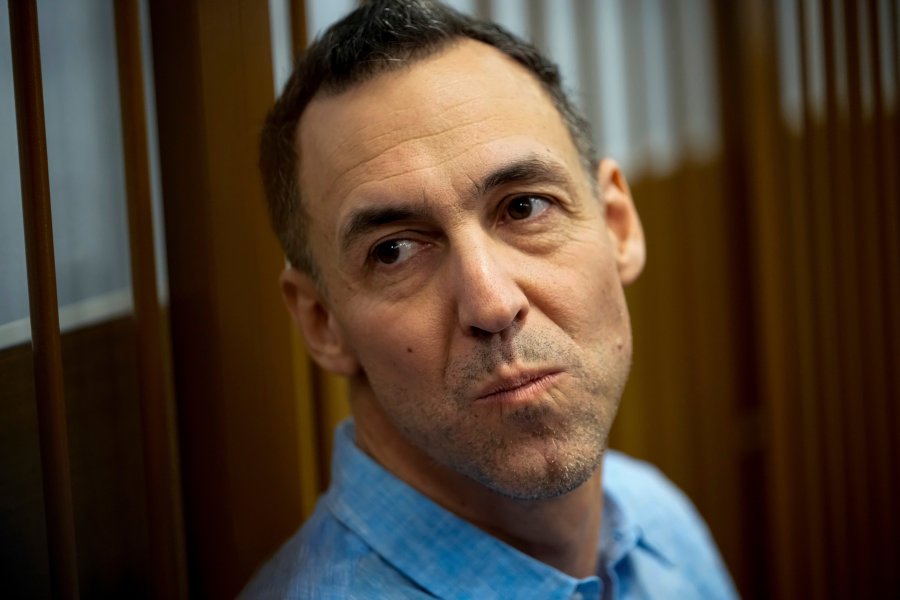
The Kremlin announced on March 14, 2024, that it has engaged with French authorities regarding the status of French political scholar Laurent Vinatier, who is currently serving a three-year sentence in Russia. Vinatier has reportedly been charged with espionage, prompting concerns from the French government about his legal situation.
Kremlin spokesman Dmitry Peskov confirmed that discussions are underway, emphasizing that Russia has made “an offer to the French” concerning Vinatier’s case. These developments come amid heightened tensions over issues of diplomatic relations between France and Russia, particularly in light of ongoing geopolitical conflicts.
The situation surrounding Vinatier has drawn significant attention, not only because of the legal implications but also due to the broader context of international relations. His arrest and subsequent charges have raised questions about the treatment of foreign nationals in Russia and the implications for Franco-Russian diplomacy.
According to Peskov, the Kremlin remains open to dialogue with France and is hopeful for a resolution that addresses both nations’ concerns. The nature of the offer made to France has not been disclosed, but it is expected to involve discussions about Vinatier’s future and the legal proceedings he faces.
French officials have expressed their commitment to ensuring that Vinatier receives fair treatment under Russian law. The French Ministry of Foreign Affairs is closely monitoring the situation and has reiterated its stance on the importance of protecting the rights of its citizens abroad.
As of now, the exact details of the charges against Vinatier remain unclear. His case is part of a broader trend where political tensions have influenced legal actions involving foreign nationals, particularly in Russia. Observers note that such cases often become entangled in the complexities of international diplomacy.
The outcome of the negotiations between the Kremlin and French authorities will likely have significant implications for bilateral relations. Both countries are navigating a delicate landscape of diplomacy, with the stakes raised by the ongoing challenges they face on the global stage.
In conclusion, the case of Laurent Vinatier serves as a reminder of the intricate interplay between law and politics in international relations. The developments in this situation will be closely watched by both governments and the international community.