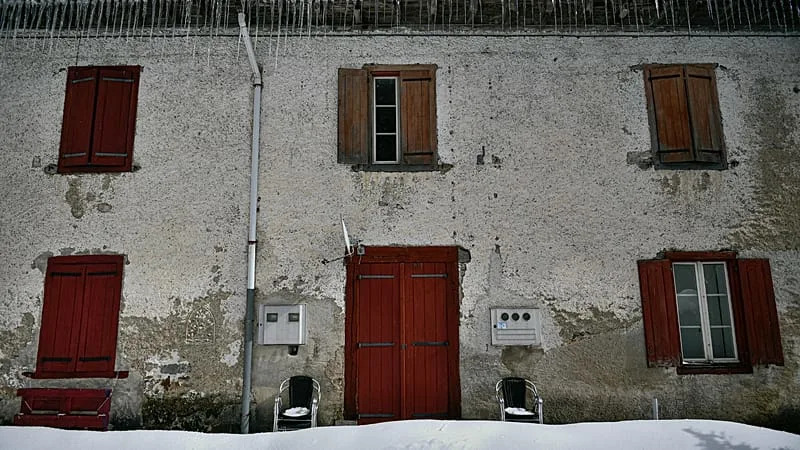
Tens of millions of Europeans are enduring inadequate heating in their homes, with over 41 million individuals in the European Union unable to afford sufficient warmth, according to Eurostat. This represents approximately 9.2% of the EU’s population, highlighting a significant issue of fuel poverty, particularly in the bloc’s largest economies. The consequences of living in cold homes extend beyond discomfort, posing serious health risks such as increased susceptibility to strokes and respiratory infections.
Cold living conditions can also lead to accidents associated with reduced dexterity, which compounds the already challenging situation for those affected. The severity of fuel poverty varies significantly across Europe, with some countries experiencing much higher rates than others.
Geographical Disparities in Fuel Poverty
The rates of fuel poverty provide a stark contrast when viewed across different nations. For instance, Finland reports a low rate of 2.7%, while Bulgaria and Greece face much tougher circumstances, with 19% of their populations struggling to keep their homes warm. Including EU candidate and EFTA countries expands this range further, with Switzerland at 0.7% and Albania surging to 33.8% of its population affected.
Prominent countries such as Turkey, Spain, and France also report troubling figures. In Turkey, 12.9 million individuals were unable to maintain adequate warmth in their homes in 2024, despite the country having some of the lowest natural gas prices in Europe. Meanwhile, Spain accounts for 8.5 million affected individuals, followed closely by France with 8.1 million. Germany and Italy are not far behind, with 5.3 million and 5.1 million, respectively.
Understanding the Causes of Fuel Poverty
The European Commission defines fuel poverty as a situation where households must limit energy consumption to a degree that negatively affects their health and well-being. Three primary factors contribute to this crisis: a high percentage of household income spent on energy, low income levels, and poor energy performance of homes and appliances.
The impact of recent global events, particularly the COVID-19 pandemic and the subsequent spike in energy prices following the Russian invasion of Ukraine in February 2022, has exacerbated these challenges for many EU citizens. Although the overall share of people unable to heat their homes has gradually declined since 2011, a resurgence in fuel poverty occurred after reaching a low in 2019 and 2021.
Despite these setbacks, there was a noted decrease in fuel poverty in the last year, attributed to a combination of factors. The European Commission points to falling gas and electricity prices, improved energy efficiency measures implemented across EU countries, and a heightened awareness of the issue among policymakers and affected communities.
A recent analysis from Euronews Business further explores the landscape of electricity and natural gas prices across Europe, revealing a mix of both high and low pricing regions in euro terms and purchasing power standards.
The challenge of fuel poverty remains a pressing concern across Europe, as millions of residents grapple with the harsh realities of cold homes and the associated health risks. Addressing these disparities requires sustained efforts to improve energy affordability and enhance the thermal performance of buildings, ensuring that all Europeans can enjoy the right to a warm and safe living environment.