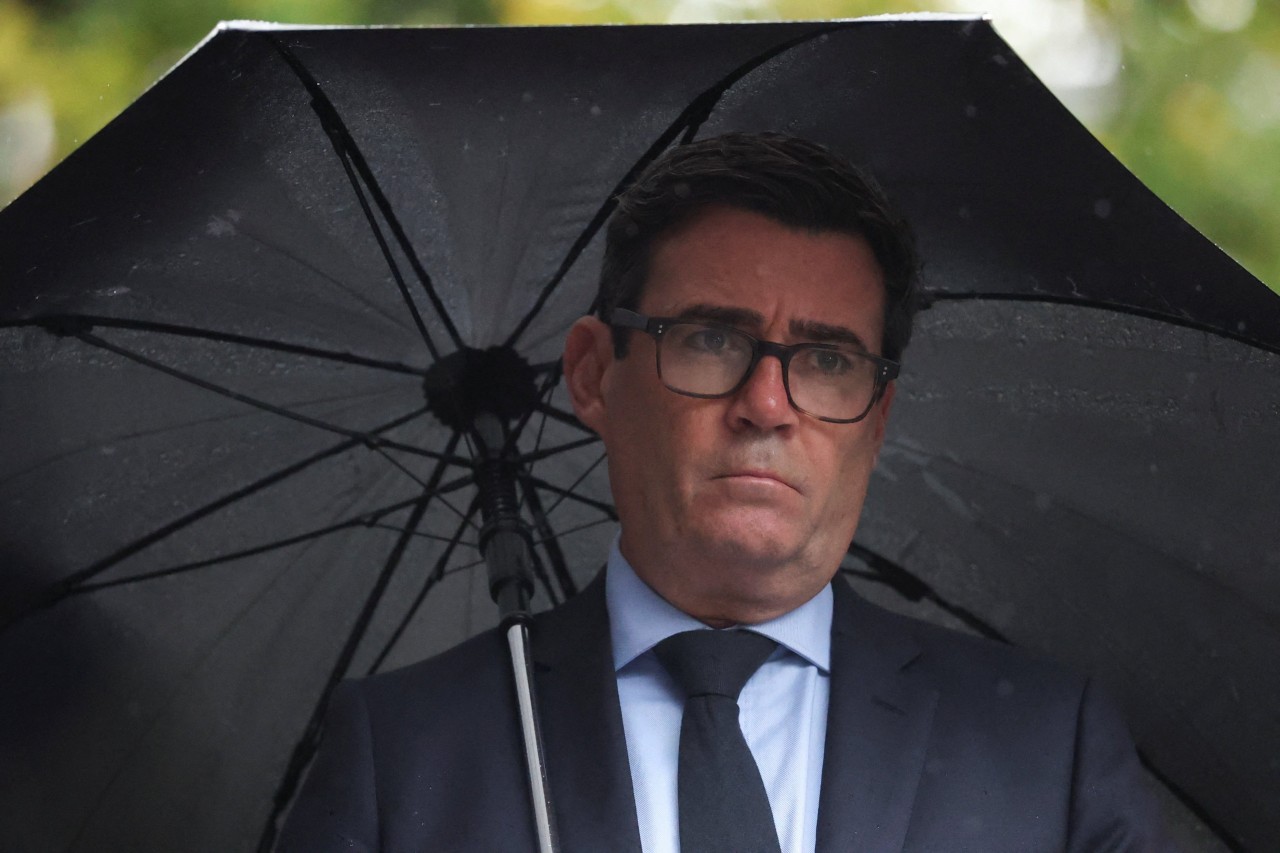
Political uncertainty in the United Kingdom has intensified as gilt yields rise and the value of the sterling declines. This economic shift coincides with local district elections that may signal a return for Andy Burnham, the current mayor of Greater Manchester and a prominent figure within the Labour Party. Burnham’s potential re-entry into Parliament could reshape the political landscape, particularly among the left faction of the party.
Recent reports indicate that the upcoming elections on March 15, 2024, may pave the way for Burnham’s return. As an influential voice for progressive policies, his involvement in Parliament could galvanize the Labour Party’s base, especially during a period of mounting economic challenges. The implications of his candidacy extend beyond local governance, potentially affecting national political dynamics.
The rise in gilt yields, which serve as a critical indicator of government borrowing costs, reflects investor concerns regarding the UK’s fiscal future. As yields increase, borrowing becomes more expensive for the government, potentially impacting public spending and economic growth. Analysts attribute this rise to a combination of factors, including inflationary pressures and uncertainty surrounding upcoming legislation.
Meanwhile, the sterling’s decline against other major currencies underscores the market’s reaction to the current political climate. Investors are weighing the risks associated with the UK’s economic outlook, particularly as the Labour Party faces internal divisions. The party’s leadership must navigate these challenges while maintaining cohesion ahead of the elections.
Given Burnham’s track record as a mayor, his return to Parliament could reinvigorate the Labour Party’s left wing. With significant support from grassroots movements, he embodies the progressive values that resonate with many voters. Observers expect that his role could influence policy debates, particularly on issues such as healthcare, education, and social justice.
As the elections approach, the ramifications of Burnham’s candidacy will continue to unfold, potentially affecting both local and national political landscapes. The extent to which his return might bolster the Labour Party’s standing remains to be seen, but it is clear that his involvement would invigorate discussions around key policies.
In conclusion, the intersection of political uncertainty and economic challenges in the UK is palpable as the district elections draw near. With the rise in gilt yields and the falling value of the sterling, the implications for both the economy and the Labour Party are significant. The upcoming elections could mark a critical juncture in the UK’s political trajectory, particularly if figures like Andy Burnham take central roles once more.