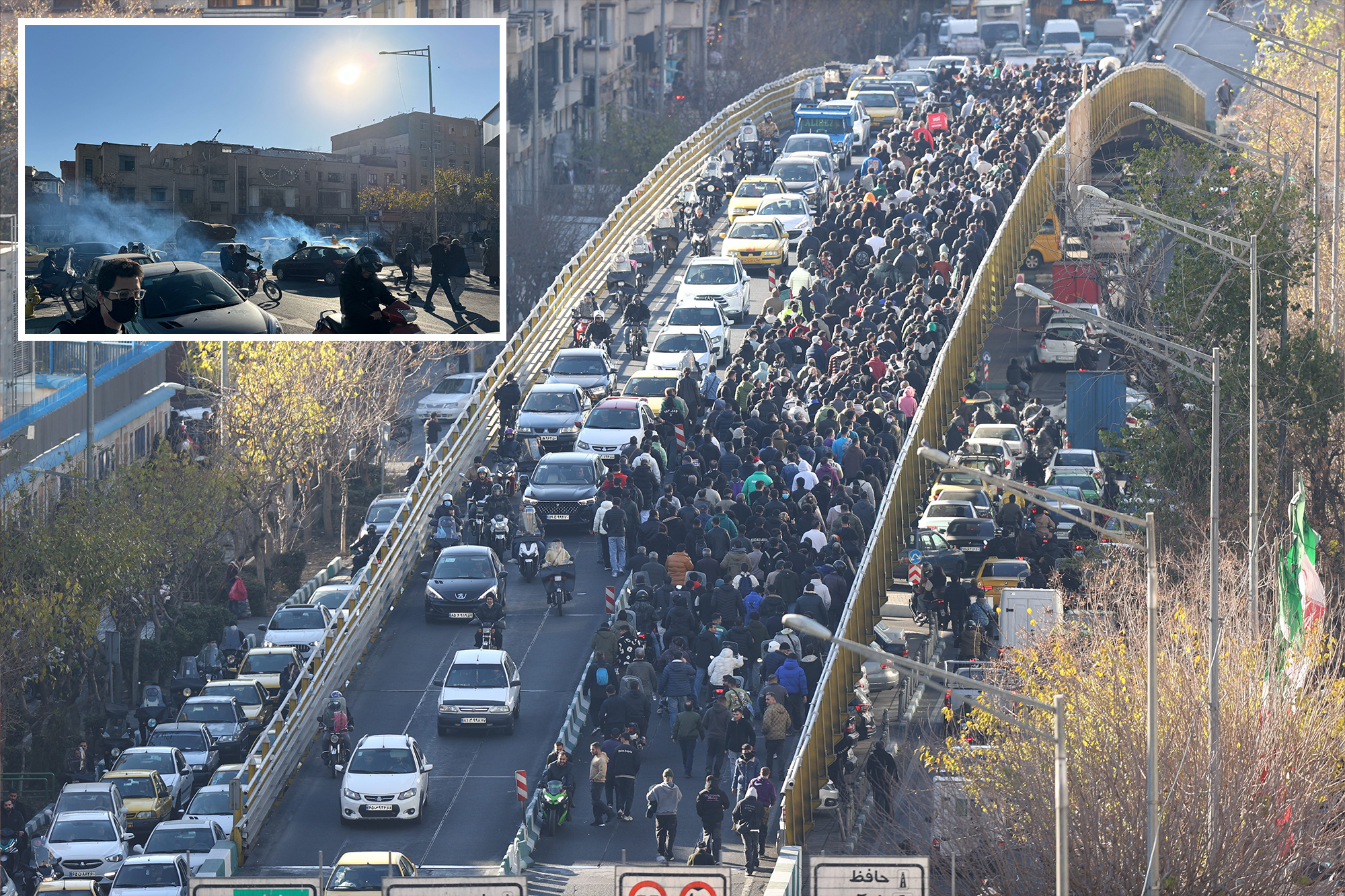
Protests have erupted across Iran as citizens express their anger over a deepening cost of living crisis, exacerbated by a dramatic decline in the value of the national currency. Currently, $1 is worth approximately 1.4 million Iranian rials, highlighting the severity of the economic situation. Demonstrations began earlier this week and have since spread to rural areas, where residents are particularly affected by the nation’s financial difficulties.
President Masoud Pezeshkian has indicated a willingness to engage in dialogue with protesters. However, he acknowledged the limitations of his ability to address the crisis, which has seen the rial plummet to unprecedented lows. Many citizens, particularly in Tehran, have taken to the streets to voice their frustrations over perceived mismanagement by lawmakers.
Rising consumer prices have become a focal point for demonstrators. According to Iran International, the price of local staple food items has surged dramatically. For instance, Tarom Hashemi rice now costs the average consumer around 4 million rials per kilogram, translating to approximately $3.56 per pound. This represents a staggering 230% increase compared to a year ago, contributing to a consumer price inflation rate of 48.6%.
One shopper in Karaj expressed frustration, stating, “[Ayatollah] Ali Khamenei has spent over four decades chasing war, missiles and chanting, ‘Death to this or that.’ Now we can’t even afford rice.” The economic crisis has also impacted fuel prices, with a significant spike in gasoline costs last December prompting further outrage and leading the government to introduce new subsidies to alleviate public discontent.
Demonstrations have primarily concentrated around the bazaars, essential hubs for daily goods. These protests have resulted in the closure of businesses, universities, and government offices nationwide, with chants of “Death to the dictator” echoing in response to Khamenei’s previous slogans. While protests in Tehran appear to have lessened, they have intensified in other regions, escalating into violence. Reports indicate three fatalities during recent clashes between protesters and security forces, including the death of a 21-year-old volunteer officer with the Revolutionary Guard’s Basij force, as confirmed by the state-run IRNA news agency.
Deputy Governor Saeed Pourali cited economic pressures, inflation, and currency fluctuations as primary causes for the civil unrest. He emphasized the importance of listening to citizens’ voices while cautioning against allowing demands to be exploited by those seeking profit.
The Washington-based Abdorrahman Boroumand Center for Human Rights in Iran has identified the other two fatalities as protesters killed during a demonstration in Lordegan. In a bid to redirect blame from domestic issues, Pezeshkian alleged that foreign interference is fueling the unrest. He stated, “Right now, the enemy has placed most of its hopes on knocking us down through economic pressure. You cannot conquer a nation with bombs, fighter jets, or missiles.”
Pezeshkian further asserted that unity and determination among Iranians would be essential in navigating these challenges, arguing that it is impossible for adversaries to subdue Iran if the populace remains committed to progress. As the situation evolves, the government faces increasing pressure to respond effectively to the growing discontent among its citizens.