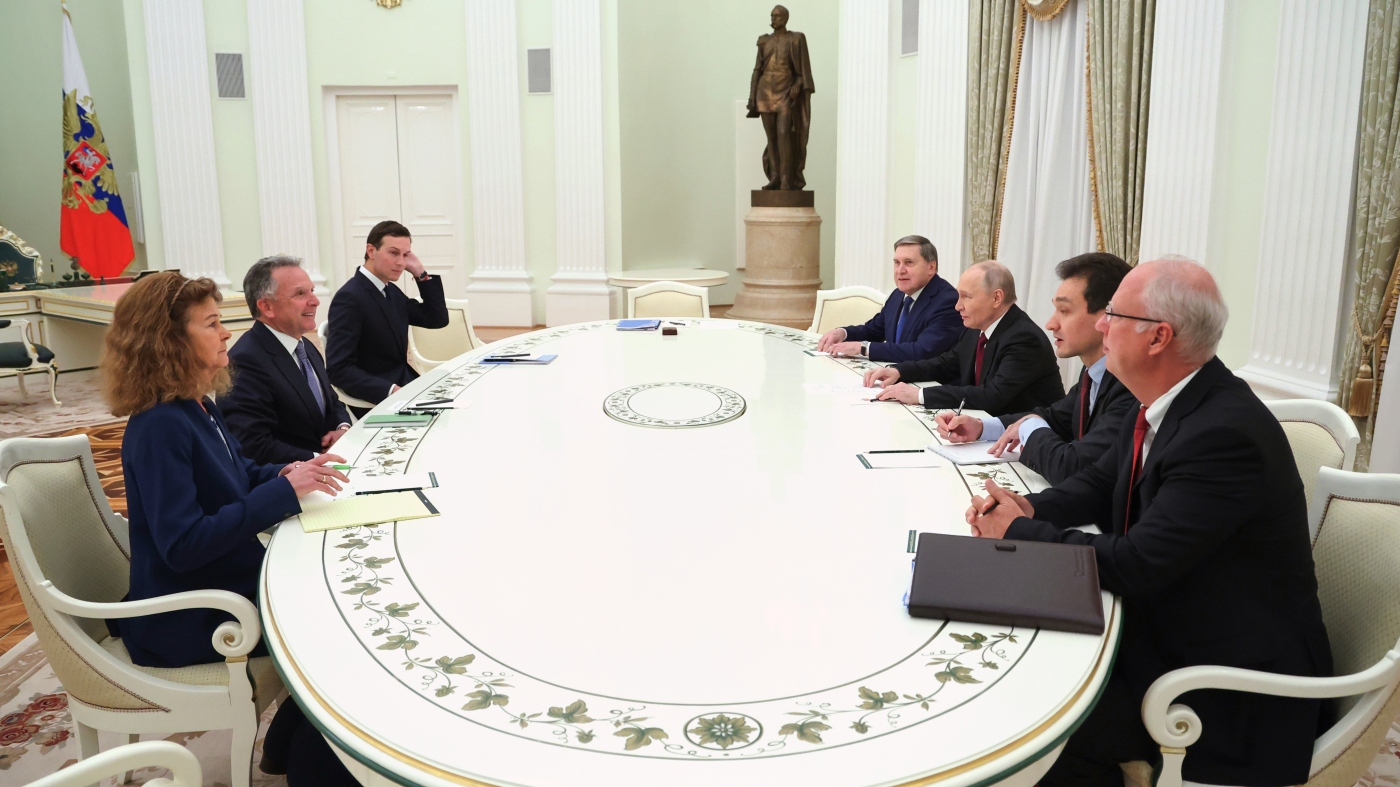
Russian President Vladimir Putin has expressed that several points in a U.S. proposal aimed at ending the ongoing war in Ukraine are unacceptable to the Kremlin. His comments, made public on March 14, 2024, suggest that significant obstacles remain in achieving a resolution to the conflict that has persisted since Russia’s full-scale invasion nearly four years ago.
The diplomatic efforts initiated by U.S. President Donald Trump mark the most intensive push for peace in recent times. Nevertheless, the discussions face major challenges, particularly concerning territorial concessions and Ukraine’s security against future Russian aggression. Trump’s special envoy, Steve Witkoff, alongside his son-in-law Jared Kushner, is scheduled to meet with Ukraine’s chief negotiator, Rustem Umerov, later today in Miami to continue the dialogue.
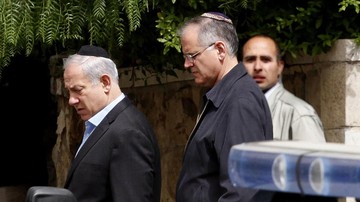
In an interview with the India Today TV channel, Putin described his recent five-hour meeting with Witkoff and Kushner in the Kremlin as “necessary” and “useful,” yet acknowledged the difficulty of the discussions. He remarked that the talks required a thorough review of each aspect of the U.S. peace proposal, indicating a lengthy and complex negotiation process. “Some proposals we can’t agree to,” he stated, while not disclosing specific details regarding Russia’s positions.
Trump commented that Witkoff and Kushner emerged from their lengthy discussions with the impression that Putin is open to negotiating a deal. “Their impression was very strongly that he’d like to make a deal,” Trump noted on March 13, 2024. Putin, however, cautioned against premature speculation about the negotiations, emphasizing the need for a careful approach to maintain the integrity of the peace efforts.
European leaders have expressed concerns over being sidelined in these discussions, with French President Emmanuel Macron meeting Chinese leader Xi Jinping in Beijing to seek support in pressuring Russia for a ceasefire. While Xi has shown strong diplomatic backing for Putin, he did not directly address Macron’s call for action but stated that “China supports all efforts that work towards peace.”
As diplomatic talks unfold, the conflict continues to escalate on the ground. Russian bombardments have led to significant civilian casualties. In Kryvyi Rih, a missile strike on the evening of March 13 injured six individuals, including a three-year-old girl, and damaged over 40 residential buildings, a school, and gas infrastructure, according to city administration head Oleksandr Vilkul.
In Kherson, a six-year-old girl died following artillery shelling, which had wounded her the previous day. The regional military administration chief, Oleksandr Prokudin, reported on Telegram that the Kherson Thermal Power Plant, crucial for heating over 40,000 residents, was forced to shut down due to ongoing attacks. Emergency meetings were called to establish alternative heating solutions, including the erection of tents for residents to stay warm and recharge electronic devices.
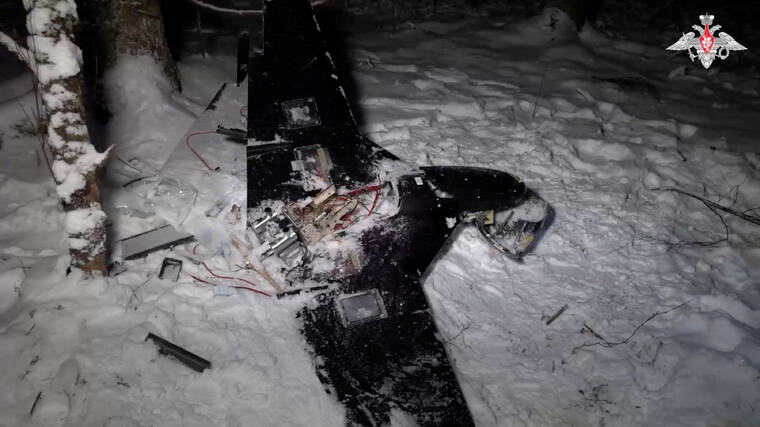
In addition, drone strikes in Odesa resulted in injuries to six individuals, with significant damage to civilian and energy infrastructure. Overall, Russian forces launched two ballistic missiles and 138 drones against Ukraine overnight, intensifying the conflict.
In the Russian-occupied areas of the Kherson region, a Ukrainian drone strike reportedly killed two men in their vehicle on March 14. The Moscow-installed regional leader Vladimir Saldo confirmed this incident, noting that a 68-year-old woman was also injured in the attack.
As the situation evolves, the international community watches closely, hoping for a diplomatic breakthrough that could end the hostilities and safeguard the future of Ukraine.