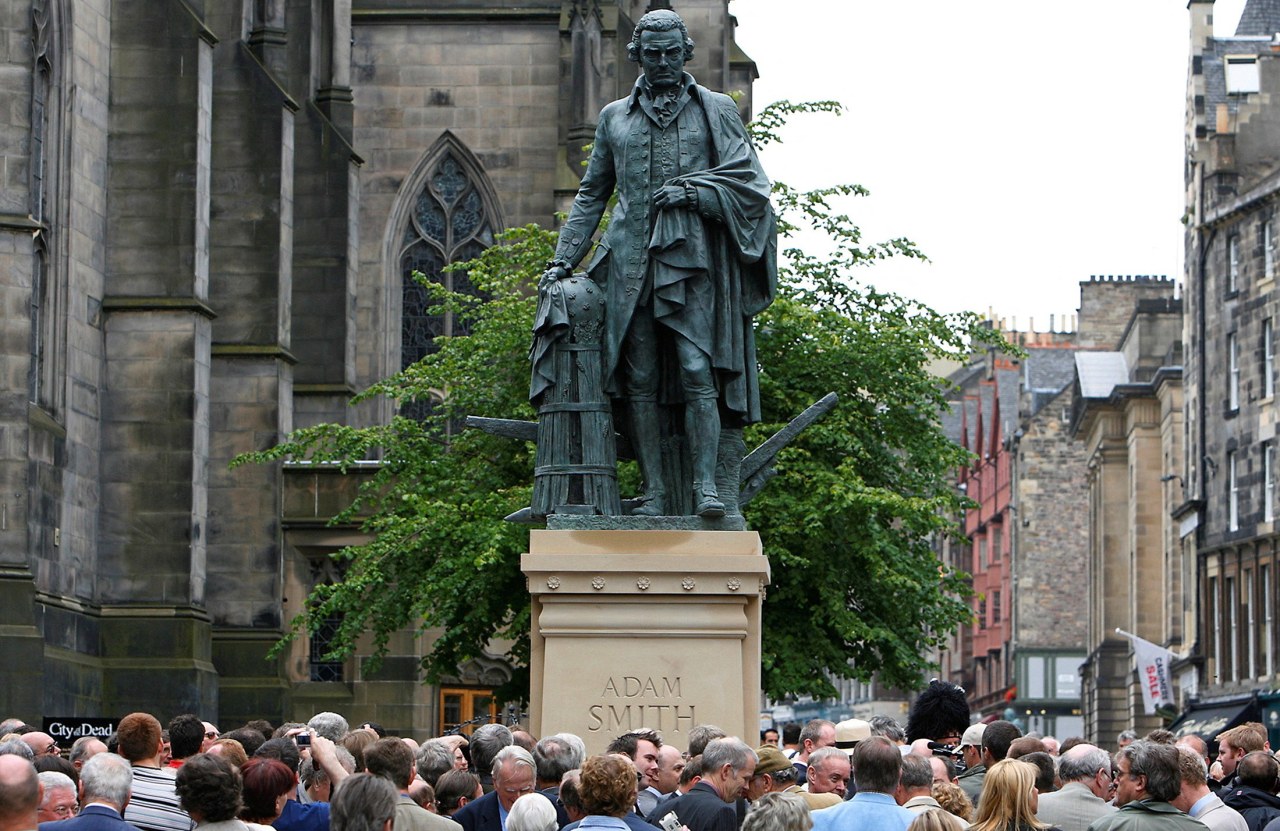
Recent discussions among prominent thinkers suggest that Scotland is on the brink of a new intellectual renaissance, reminiscent of the historic Scottish Enlightenment. Fraser Nelson, responding to Barton Swaim and Allan Massie, argues that the current climate may foster a resurgence of innovative ideas and cultural growth. This dialogue highlights the potential for Scotland to once again become a hub of intellectual and creative activity.
In the 18th century, the original Scottish Enlightenment produced influential figures such as David Hume and Adam Smith, who reshaped philosophy and economics. Today, Nelson points to various societal shifts and the rise of new voices that could signify a fresh wave of enlightenment. He emphasizes that the current political and social landscape may be ripe for intellectual reawakening, echoing the transformative spirit of the past.
Nelson’s commentary comes at a time when Scotland grapples with significant challenges, including economic pressures and debates surrounding independence. According to his analysis, these very challenges can serve as catalysts for new ideas. He suggests that adversity often prompts innovative thinking, enabling societies to reconsider their values and priorities.
Several key factors contribute to this potential renaissance. First, the increasing accessibility of education and technology has empowered a broader segment of the population to engage in intellectual discourse. The rise of digital platforms allows for diverse voices to be heard and for ideas to spread rapidly. This democratization of knowledge could mirror the conditions that sparked the original Enlightenment.
Moreover, the cultural landscape in Scotland is evolving. A renewed interest in local history and identity has sparked discussions about what it means to be Scottish in the modern world. Nelson argues that this introspection can lead to a deeper understanding of societal dynamics and inspire innovative solutions to contemporary issues.
The interplay between tradition and modernity may also play a crucial role in this emerging intellectual movement. As Scotland navigates its historical legacy, it has the opportunity to blend past insights with modern challenges, creating a unique platform for growth. This synthesis could yield fresh perspectives on governance, economics, and social justice.
As dialogue continues, notable figures in Scottish academia and politics are weighing in, further enriching the conversation. Their contributions can help shape the trajectory of this potential renaissance, encouraging collaboration across disciplines and communities.
In conclusion, while challenges persist, the conditions for a new Scottish Enlightenment appear to be taking shape. With a focus on education, cultural introspection, and the blending of tradition with innovation, Scotland may well be on the verge of a significant intellectual revival. The potential for transformative ideas to emerge from this climate is both exciting and promising for the future of the nation.