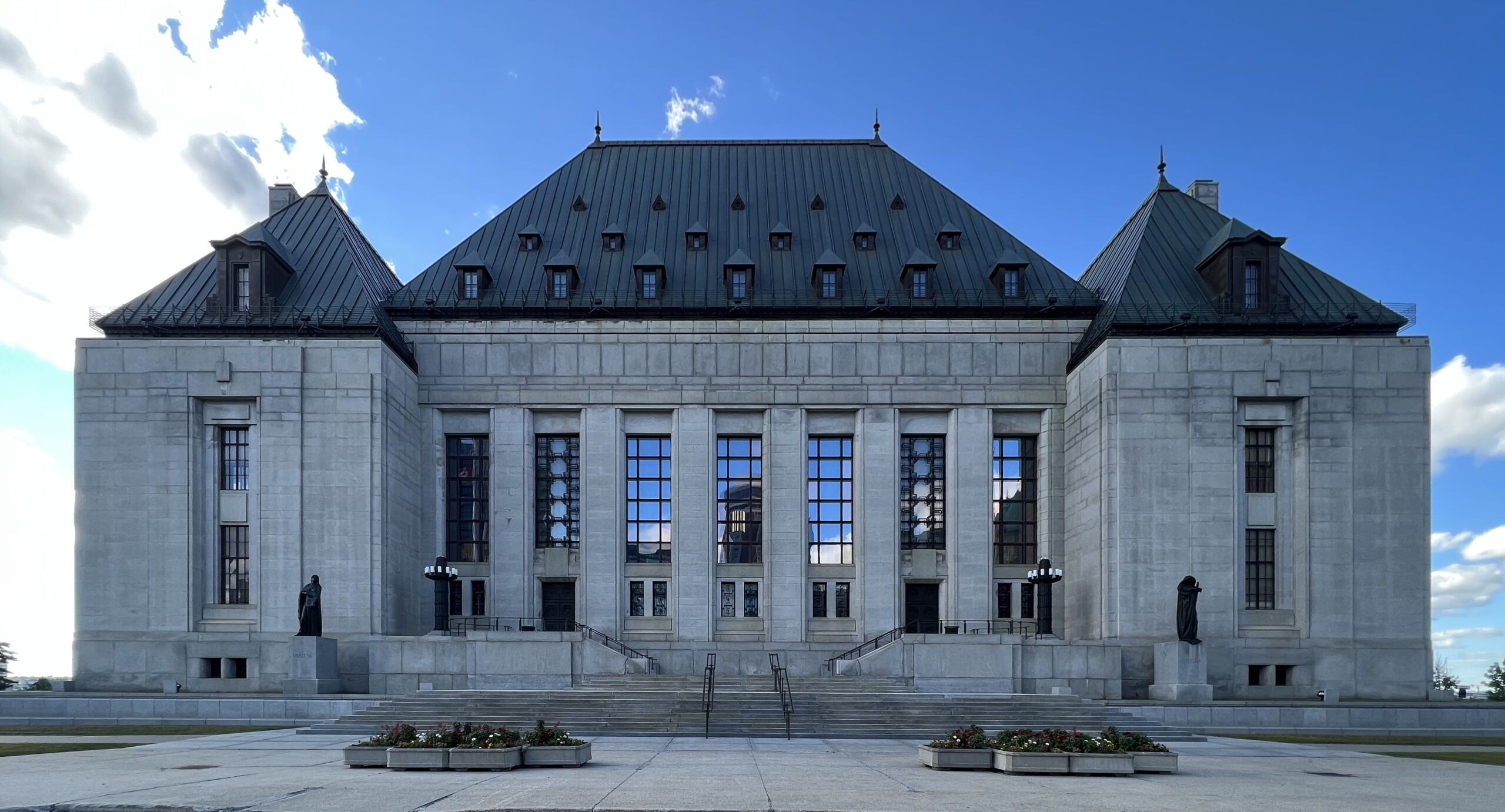
The Supreme Court of Canada ruled on March 15, 2024, that the right to travel freely between provinces is a constitutional right under Section 6 of the Canadian Charter of Rights and Freedoms. This landmark decision affirms that any government-imposed restrictions on interprovincial travel must be justified as reasonable and necessary.
In its ruling, the court emphasized that Section 6 not only protects individual autonomy but also promotes national unity, which is essential for the country’s overall development. The court highlighted that the right to move freely is fundamental to the nation-building objective of Canada. It also considered the country’s obligations under the International Covenant on Civil and Political Rights, which guarantees the fundamental human right to move freely across the territory of a state, including federal states.
Details of the Ruling
The five-judge majority identified that interprovincial travel restrictions violated both the right to remain in Canada as outlined in Section 6(1) and the right to move to and take up residence in any province under Section 6(2)(a). The dissenting judges argued that interprovincial mobility falls into one of two categories, which could lead to significant implications.
The distinction is noteworthy because Section 6(1) rights are exclusive to Canadian citizens, while Section 6(2) rights extend to permanent residents. Furthermore, the government can impose non-discriminatory limits on Section 6(2) rights but not on Section 6(1) rights. Chief Justice Richard Wagner, along with Justices Nicholas Kasirer and Mahmud Jamal, asserted that the right to interprovincial mobility aligns with Section 6(2).
Justice Malcolm Rowe, however, contended that the right to travel within Canada is implicit in the right to remain in Canada under Section 6(1). He emphasized that Section 6(2) has an economic focus, particularly regarding the rights to work and reside in a province. Rowe stated that allowing the government to impose any non-discriminatory limits on the right to move freely undermines its fundamental nature.
The ruling follows a significant case during the COVID-19 pandemic, where Newfoundland and Labrador imposed travel restrictions that barred non-residents and essential workers from entering the province. This policy prevented one applicant from attending her mother’s funeral, leading her to challenge the legality of the travel ban. While the court’s ruling upholds the right to interprovincial mobility, it unanimously agreed that the travel restriction was justified given the pandemic’s severity and scientific uncertainties.
Reactions and Implications
The Canadian Civil Liberties Association welcomed the decision, affirming that interprovincial mobility is crucial for individual autonomy and national unity. This ruling marks a significant development in Canadian law, as it is the first time the Supreme Court has deliberated specifically on the right to travel within the country, distinct from issues of residency and economic activity.
As Canada continues to navigate the complexities of interprovincial travel, this ruling sets a precedent for how similar cases may be approached in the future. The court’s decision reinforces the importance of protecting fundamental rights while balancing the government’s ability to implement necessary restrictions in times of crisis.