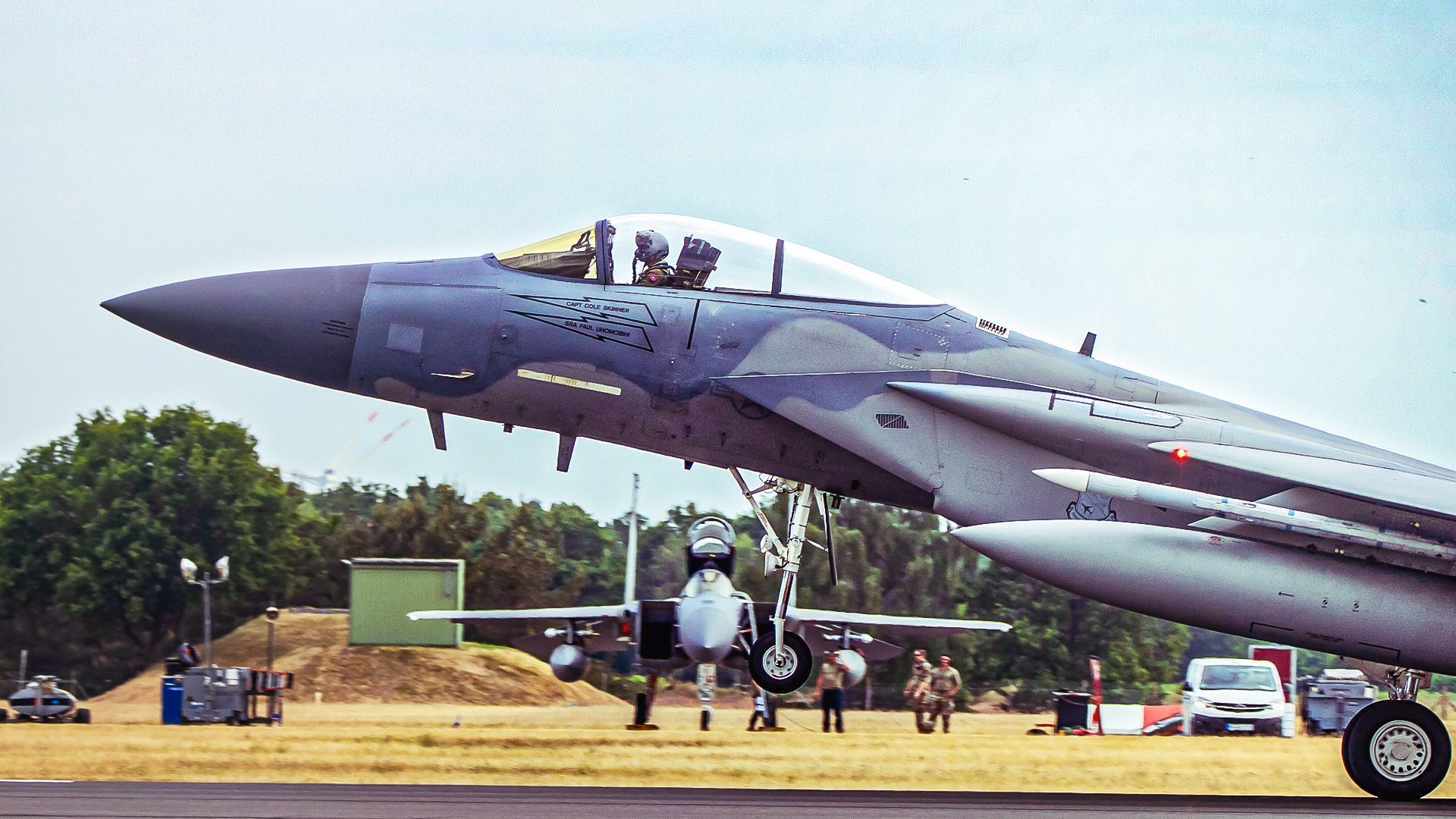
The U.S. Air Force plays a critical role in global military readiness, with approximately 320,000 active-duty members, 105,000 members of the Air National Guard, and 69,000 in the Air Force Reserve. The Air Force is structured to centralize training through the Air Education and Training Command (AETC), which oversees both initial and advanced training for personnel across various specialties. This organization manages a network of major training bases, each specializing in different aspects of military training.
Major Training Bases and Their Functions
Several key bases provide extensive training to Air Force personnel, ensuring that they are equipped with the necessary skills to meet operational demands. Notably, the following bases stand out for their unique contributions:
Luke Air Force Base in Arizona has emerged as a leading training hub for the F-35 Lightning II. Transitioning from the F-16 Fighting Falcon, it currently trains approximately 75% of all F-35 pilots worldwide. The base, under the management of the 56th Fighter Wing, also trains over 700 maintenance technicians annually, ensuring support for the complex systems of both F-35 and F-16 aircraft. The adjacent Barry M. Goldwater Military Training Range provides the necessary airspace for high-speed tactical training. Luke hosts the largest F-35 simulator operation globally, featuring 32 advanced simulators to prepare pilots for modern warfare.
Eglin Air Force Base, while primarily a test and evaluation site, plays a vital role in training for advanced weapon systems and special operations. The 33rd Fighter Wing operates the Integrated Training Center, accommodating up to 100 military pilots and around 2,100 maintenance students each year. The base also supports the training needs of multiple branches of the military, producing upwards of 10,000 trainees annually, with some estimates reaching as high as 15,000.
At Goodfellow Air Force Base, approximately 10,000 students graduate annually from programs focused on Intelligence, Surveillance, and Reconnaissance (ISR). The base is home to the Department of Defense’s integrated firefighting training, producing over 2,400 firefighters each year. Its specialized training encompasses a wide range of intelligence disciplines, ensuring a well-prepared workforce for military operations.
The Nellis Air Force Base in Nevada is renowned for its extensive combat training exercises, particularly the Red Flag drills, which attract over 350 military units annually. This base is crucial for large-scale joint and international combat training, with over 25,000 participants involved in these exercises each year. Nellis utilizes the expansive Nevada Test and Training Range for its operations, which spans over 12,000 square miles of airspace.
Training and Development Across Diverse Fields
Keesler Air Force Base serves as a primary center for information technology and electronics training, overseeing around 30,000 students in over 2,700 active courses. As a Joint Training Installation, Keesler provides advanced curriculum options for various military branches, focusing on high-technology and cyberspace training.
At Lackland Air Force Base, also known as the “Gateway to the Air Force,” approximately 36,000 recruits complete Basic Military Training each year. This base emphasizes core military values, physical fitness, and essential war skills. Many recruits transition to technical training at Lackland, where the Air Force’s largest training wing offers courses in logistics, security forces, and more.
In terms of technical training diversity, Sheppard Air Force Base stands out as the only site with both major technical and flying training wings. Annually, it trains between 60,000 and 65,000 trainees in various fields, including aircraft repair and logistics. The base hosts the Euro-NATO Joint Jet Pilot Training (ENJJPT) program, which brings together multiple nations for collaborative flight training.
The strategic roles of these training bases exemplify the U.S. Air Force’s commitment to maintaining a highly skilled and ready military force. As the demands of modern warfare evolve, these facilities will continue to play a pivotal role in shaping the future of air combat and defense capabilities.