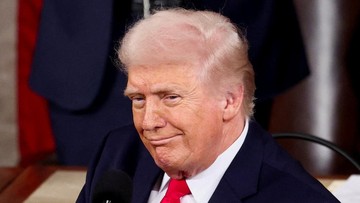
President Donald Trump recently characterized the ongoing military conflict with Iran as a “short-term operation.” During a press briefing, he referred to the U.S. actions against the country as “small-scale actions,” prompting both domestic and international reactions regarding the implications of such statements.
The remarks came as part of a broader discussion about U.S. military strategies in the region. Trump emphasized that the current military efforts are not indicative of a prolonged engagement, suggesting a focus on quick, tactical maneuvers rather than extensive campaigns. This perspective aligns with his administration’s ongoing efforts to reduce American military presence overseas while addressing national security concerns.
Trump’s comments have raised questions among military analysts and policymakers about the future of U.S.-Iran relations. According to experts, labeling the conflict as “small-scale” may downplay the complexities involved, particularly in light of previous escalations and the historical context of U.S.-Iran tensions.
In recent months, the U.S. has undertaken a series of limited military operations aimed at deterring Iranian influence in the region. These actions include targeted airstrikes and naval deployments, which the administration argues are necessary for maintaining stability. Nevertheless, critics argue that such a characterization risks oversimplifying the multifaceted nature of the conflict and could lead to miscalculations.
As the situation evolves, the international community continues to monitor the U.S. stance on Iran. The implications of Trump’s statements could affect diplomatic efforts aimed at resolving longstanding tensions. Notably, the remarks come ahead of key discussions scheduled for later this year regarding nuclear negotiations and regional security arrangements.
In conclusion, Trump’s framing of the conflict with Iran as a short-term and limited engagement highlights his administration’s desire to shift military strategies. However, the potential consequences of this approach remain a point of contention among experts and could shape future interactions between the United States and Iran.