U.S. President Donald Trump will host the leaders of Congo and Rwanda on November 9, 2023, to sign a significant peace agreement aimed at resolving the ongoing conflict in eastern Congo. The deal, known as the Washington Accords for Peace and Prosperity, is designed to facilitate access to the region’s valuable mineral resources for the U.S. government and American companies. This agreement is hailed by the White House as a “historic” step in a long-term peace initiative.
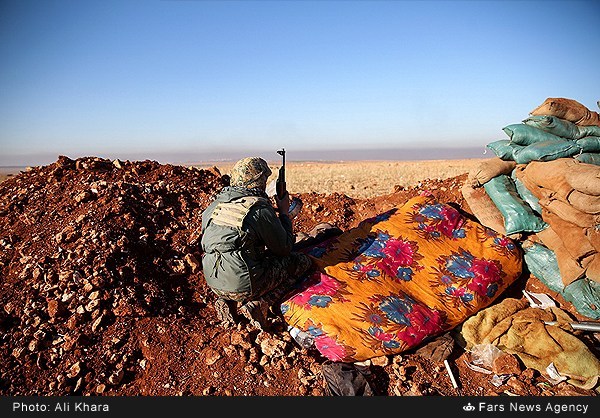
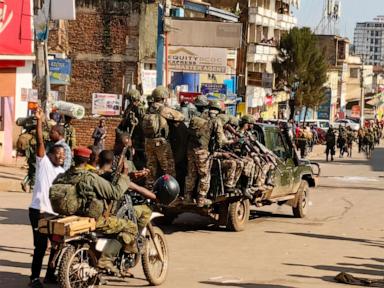
The signing will take place in Washington and follows extensive diplomatic efforts involving the African Union and Qatar. It builds on a prior agreement reached in June and seeks to bring stability to a region long afflicted by violence and unrest. For decades, eastern Congo has been a battleground for over 100 armed groups, notably the M23 rebels, who have gained significant ground this year, capturing major cities such as Goma and Bukavu.
Despite the optimism surrounding the signing, local sentiments reflect ongoing uncertainty. “We are still at war,” said Amani Chibalonza Edith, a 32-year-old resident of Goma, underscoring the persistent clashes between rebels and Congolese forces. Analysts suggest that the new agreement will not immediately lead to lasting peace. A separate ceasefire has already been violated, with both sides accusing each other of breaching terms.
Trump is expected to hold individual discussions with both President Felix Tshisekedi of Congo and President Paul Kagame of Rwanda before the three-way talks. The U.S. Chamber of Commerce will also host an event in conjunction with the signing, focusing on investment opportunities in critical minerals, energy, and tourism. Yolande Makolo, an adviser to Kagame, indicated that the delegations aim to explore economic partnerships in these sectors.
As the peace talks proceed, the humanitarian situation remains dire. Reports indicate ongoing clashes, and the humanitarian crisis in eastern Congo is one of the largest in the world, with millions displaced. Following recent escalations, the international airport in Goma remains closed, and essential services have not resumed. Residents face rising crime and soaring prices, leaving many in a state of uncertainty. “We are waiting to see what will happen because so far, both sides continue to clash and attack each other,” remarked Moise Bauma, a 27-year-old student from the rebel-held city of Bukavu.
The roots of the conflict can be traced back to the aftermath of the 1994 Rwandan genocide, during which nearly 2 million Hutus fled to Congo. The Rwandan government accuses these Hutu refugees of being a threat to the Tutsi population, while Congolese officials maintain that any permanent peace is contingent upon Rwanda withdrawing its support for the M23 rebels. U.N. experts estimate that between 3,000 to 4,000 Rwandan forces are currently operating alongside M23 in eastern Congo, although Rwanda denies such claims.
Both the Congolese and Rwandan leadership view American involvement as crucial for achieving peace. “We need that attention from the administration to continue to get to where we need to get to,” Makolo stated, acknowledging the complex challenges ahead. The signing of the Washington Accords is seen as a step forward, but with the ongoing violence and humanitarian needs, the path to a stable and lasting peace remains uncertain.
The international community will be closely watching the outcomes of this agreement, as both nations navigate the delicate balance of regional security and economic development.