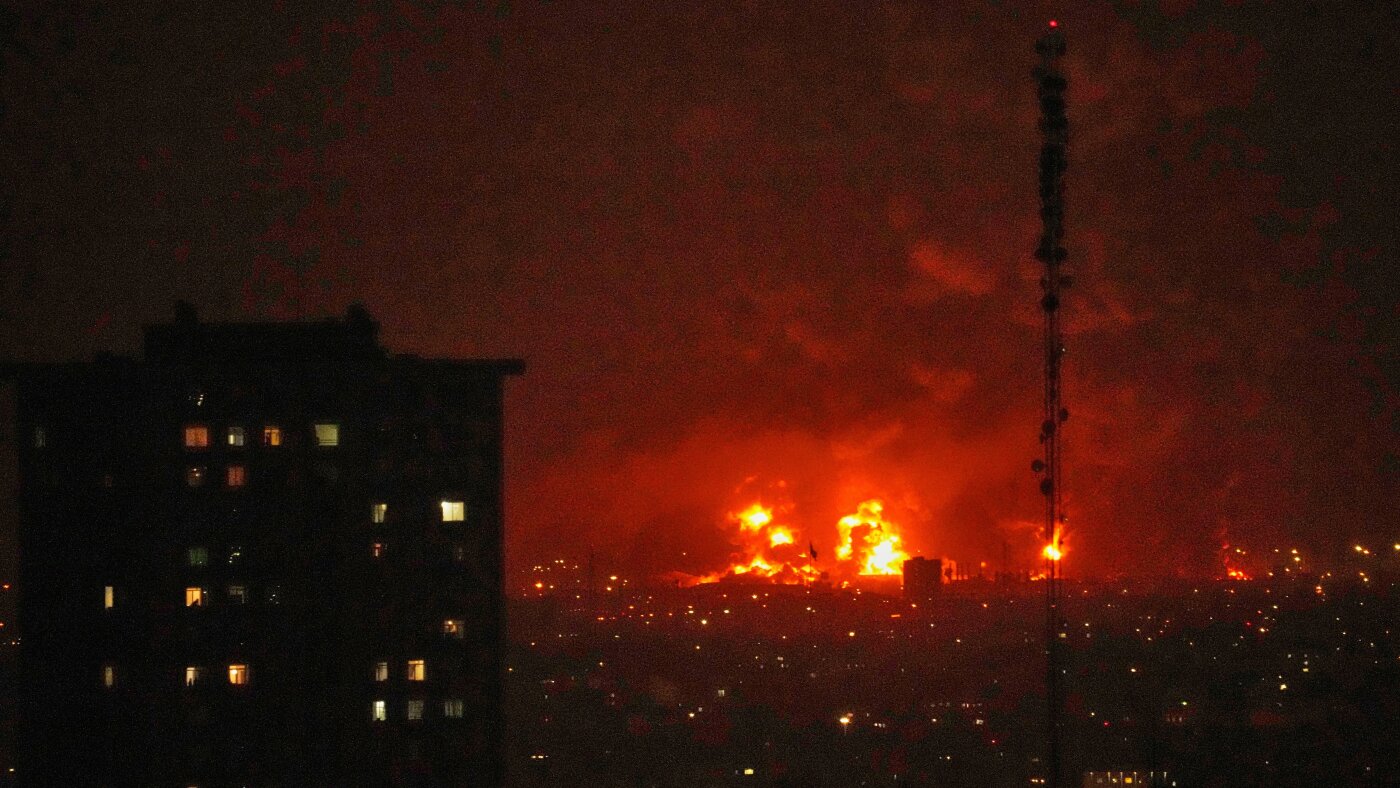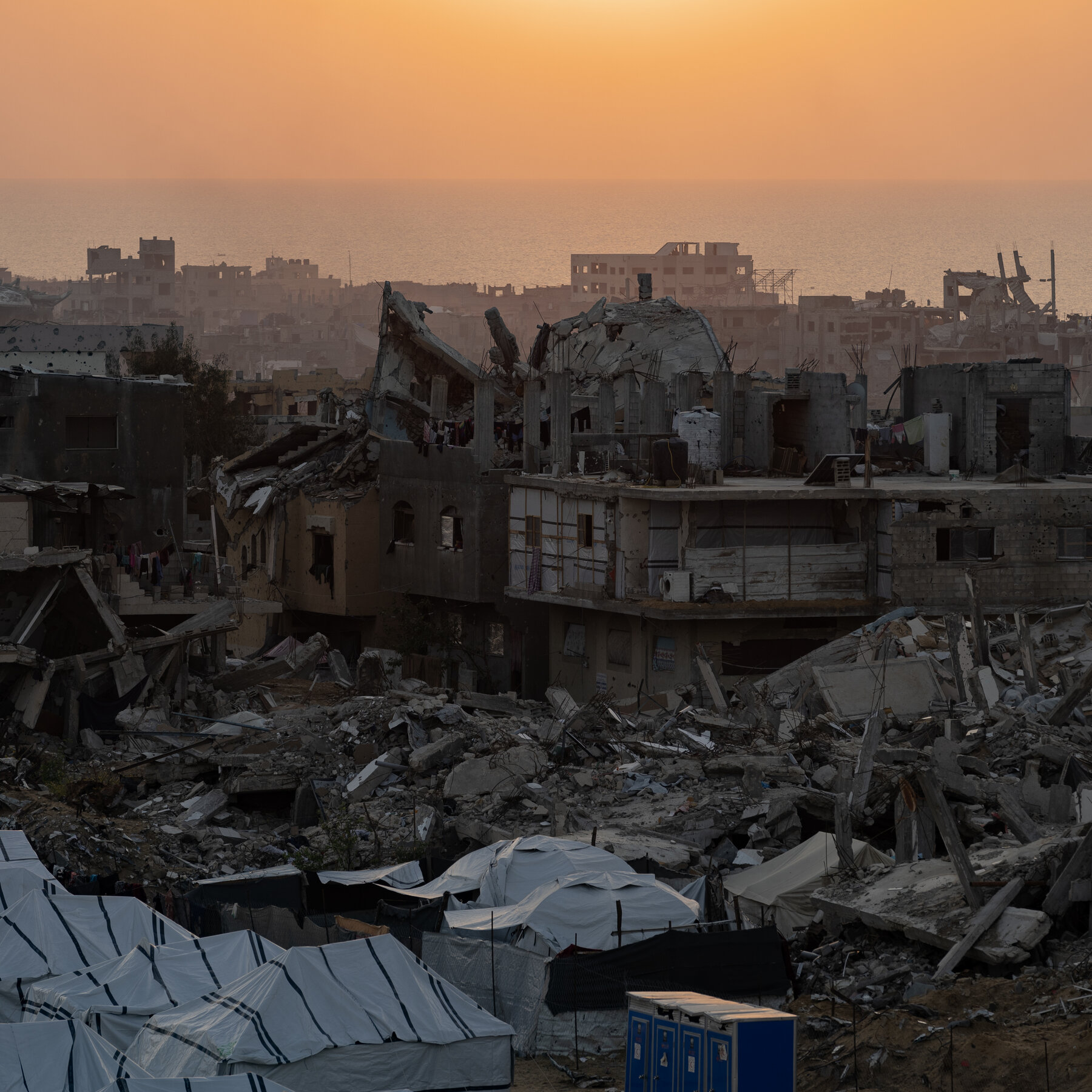
The future of President Donald Trump‘s ambitious 20-point peace plan for Gaza remains unclear as key details and next steps have yet to be announced. Initially unveiled earlier this year, the plan aims to facilitate peace between Israel and Palestine, but its implementation has been stalled amid concerns over the feasibility and political climate in the region.
The lack of clarity surrounding the plan has raised questions among political analysts and stakeholders in the Middle East. While the outline of the proposal includes provisions for economic development and humanitarian aid in Gaza, specific actions and timelines have not materialized. As of now, further discussions are anticipated as the U.S. administration seeks to re-engage with both Israeli and Palestinian leaders.
Key Components of the Peace Plan
The 20-point peace plan focuses on several critical areas, including infrastructure development, security measures, and diplomatic negotiations. It notably emphasizes the need for international cooperation and support from neighboring countries to foster an environment conducive to lasting peace.
Among the proposed initiatives is a significant investment in Gaza’s infrastructure, with an estimated cost of $1.2 billion. This funding is intended to improve living conditions and stimulate economic growth in the region. Additionally, the plan outlines measures to enhance security arrangements between Israel and Palestine, aiming to reduce tensions and prevent outbreaks of violence.
While the intentions behind the peace plan are clear, the actual implementation hinges on cooperation from both sides. Recent developments indicate that Israel and the Palestinian authorities have expressed differing views on the proposal, complicating the path forward.
Challenges Ahead
The political landscape in the region is fraught with challenges. Ongoing violence and a lack of mutual trust between the parties have hindered previous peace efforts. Moreover, the recent shifts in the Israeli government and ongoing internal disputes within Palestinian leadership pose additional obstacles.
According to sources within the U.S. State Department, the administration is working diligently to facilitate dialogue between the two sides. However, the current geopolitical climate, marked by rising tensions and political instability, adds layers of complexity to the peace process.
As the international community closely monitors developments, the effectiveness of Trump’s plan will depend largely on whether it can garner the necessary support from key stakeholders in the region. The upcoming months will be crucial in determining if this initiative can transition from concept to actionable policy.
The administration aims to provide further details on the plan in the coming weeks, signaling a renewed commitment to resolving one of the most enduring conflicts in the world. Whether these efforts will succeed remains uncertain, but they highlight the ongoing necessity for diplomatic engagement in the pursuit of peace.