Survivors of devastating typhoons in the Philippines have initiated a landmark lawsuit against the oil company Shell, alleging that the corporation has long been aware of its significant role in contributing to climate change. The claimants argue that Shell’s activities have directly impacted their lives and livelihoods, particularly following the destruction caused by Typhoon Haiyan in 2013.
The lawsuit, filed in August 2023, asserts that Shell’s burning of fossil fuels has been a substantial factor in global warming, an assertion the company disputes. According to the plaintiffs, Shell should be held accountable for its environmental impact, which they claim has exacerbated the intensity and frequency of severe weather events like typhoons.
Background on Typhoon Haiyan
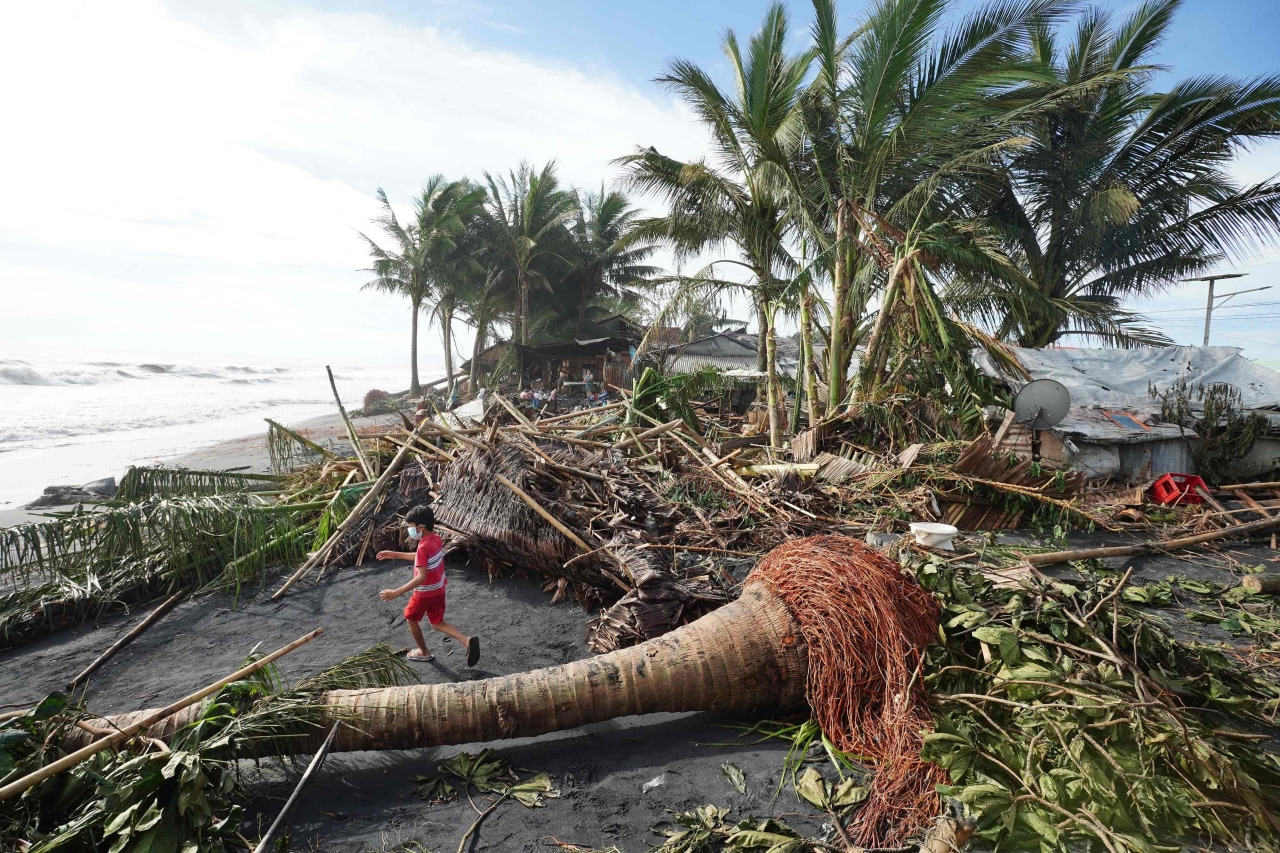
Typhoon Haiyan, also known locally as Yolanda, struck the Philippines in November 2013, resulting in approximately 6,300 fatalities and displacing millions of residents. The storm is considered one of the strongest typhoons ever recorded, prompting widespread international humanitarian aid efforts. Survivors have since highlighted the ongoing challenges they face, including rebuilding homes and communities, which have been further complicated by the impacts of climate change.
The legal action against Shell is part of a broader movement where communities affected by climate change are seeking justice from major fossil fuel companies. Activists argue that these corporations have not only contributed to environmental degradation but have also failed to take adequate steps to mitigate their impact on vulnerable populations.
Shell’s Response and Broader Implications
In response to the lawsuit, Shell has maintained its position that it acknowledges the risks associated with climate change but disputes the claims made by the plaintiffs. The company underscores its commitment to transitioning towards more sustainable energy solutions while continuing to uphold its business interests in fossil fuels.
This case is significant as it underscores the growing legal and societal pressures on fossil fuel companies to address their role in climate change. As climate-related disasters become increasingly frequent, affected communities are mobilizing legal challenges, arguing for accountability and compensation for damages incurred.
The outcome of this lawsuit could set a precedent, influencing not only future legal actions against other fossil fuel companies but also the broader discourse on corporate responsibility regarding environmental practices. The plaintiffs hope that by holding Shell accountable, they can bring attention to the urgent need for action on climate change and inspire similar actions in other regions impacted by environmental degradation.
As the world grapples with the realities of climate change, the voices of those directly affected, like the typhoon survivors in the Philippines, continue to resonate, calling for justice and change within the global energy landscape.