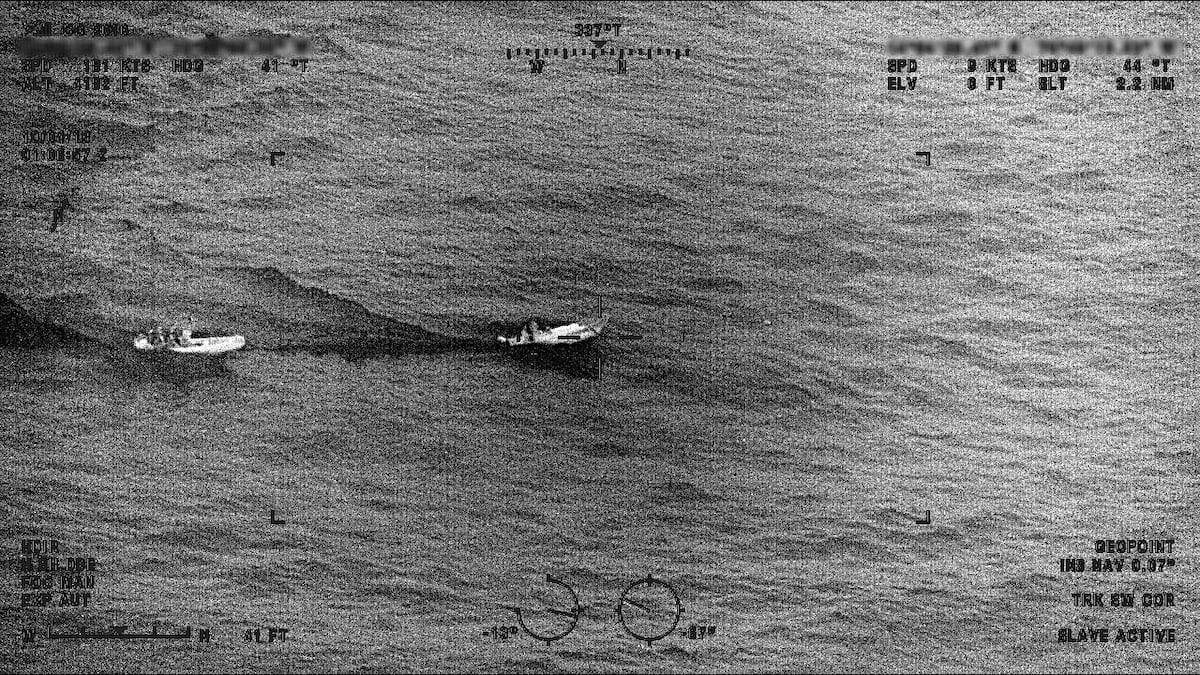
The U.S. Coast Guard has long been at the forefront of combating drug smuggling in the Caribbean and eastern Pacific. Traditionally, this involved tracking, intercepting, and boarding small vessels transporting illicit substances. However, the recent escalation in military airstrikes, which have resulted in the deaths of at least 99 individuals, including 12 this week, raises concerns about the legality and implications of this approach.
The Coast Guard’s operations, which have focused on law enforcement and international cooperation, contrast starkly with the Defense Department’s new strategy. This shift treats drug runners as “enemy combatants” and employs military force to target their vessels. Experts in the field are increasingly questioning the ramifications of this change, particularly regarding the effectiveness of traditional Coast Guard missions.
How the Coast Guard Operating Model Works
Historically, the Coast Guard has played a dual role as both a military and law enforcement agency. Its personnel are authorized to board and search vessels suspected of drug smuggling under established legal agreements. Coast Guard teams have the capability to seize contraband and return suspects to the U.S. for prosecution.
Brian McNamara, a retired Coast Guard JAG officer and professor at Tulane University, emphasizes the Coast Guard’s historical role in maritime law enforcement, stating, “The Coast Guard was intercepting rumrunners out of Cuba during Prohibition.” This long-standing experience has shaped their operational protocols, which prioritize the safety of individuals onboard suspected vessels.
Until recently, other branches of the U.S. military played supportive roles in these counterdrug efforts, sharing intelligence and providing logistical support. Navy ships, for example, have assisted the Coast Guard by offering a larger operational presence at sea, although they lack the authority to board vessels themselves.
Shifting Tactics and International Relations
The recent airstrikes directed by the U.S. Department of Defense represent a significant departure from traditional Coast Guard operations. The ongoing military actions have been described as a “game changer” by some experts, with Kendra McSweeney, a geographer at Ohio State University, noting that the understanding was always that the Department of Defense would assist but never directly participate.
The Coast Guard maintains its focus on intercepting drug vessels, which often carry cocaine and marijuana rather than fentanyl, as detailed by researchers. According to McSweeney and her colleague Mat Coleman, most intercepted smugglers are economically desperate individuals who are not affiliated with drug cartels. They rely on small, often overloaded boats to transport illicit goods across the ocean.
Despite the escalating military actions, the Coast Guard has reported an increase in drug seizures. Between August and October of this year, the agency seized over 100,000 pounds of cocaine, a record amount. Secretary of Homeland Security Kristi Noem remarked that the Coast Guard’s efforts are crucial in saving lives.
However, the implications of the military’s aggressive tactics may hinder future collaboration with international partners. Countries like Britain and Colombia, historically cooperative in counternarcotics efforts, are expressing concerns about potential violations of international law due to U.S. airstrikes.
This growing tension could disrupt the longstanding relationships that have formed the backbone of the Coast Guard’s counterdrug strategy, which relies heavily on international partnerships and mutual trust.
The ongoing evolution of U.S. strategies in combating drug smuggling raises difficult questions about legality, effectiveness, and the future of international cooperation in addressing this persistent issue. As military actions continue, the ramifications for the Coast Guard’s operations and its ability to foster collaboration with allies remain uncertain.