President Donald Trump has suggested that the United States should acquire Greenland primarily to bolster its missile defense capabilities. This argument, while gaining traction, is fundamentally flawed—expanding the U.S. military presence in Greenland does not enhance national security and could actually undermine it.
The debate centers around the proposed Golden Dome missile defense system, a multilayered approach aimed at protecting the U.S. from various threats, including ballistic and cruise missiles, hypersonic weapons, and drones. Although specific details of the program remain largely undisclosed, preliminary reports indicate that it would integrate existing elements of the U.S. missile defense architecture, including the Ground-based Midcourse Defense (GMD) system, which is designed to counter intercontinental ballistic missiles (ICBMs).
Funding and Oversight Challenges
Congressional appropriators have expressed concerns regarding the funding and oversight of Golden Dome initiatives. In a recent fiscal defense appropriations bill, they noted that due to insufficient budgetary information, it was impossible to effectively assess resources for specific program elements for the fiscal year 2026. Despite recognizing the operational objectives of Golden Dome for national security, lawmakers emphasized the need for clarity and transparency in the program’s funding.
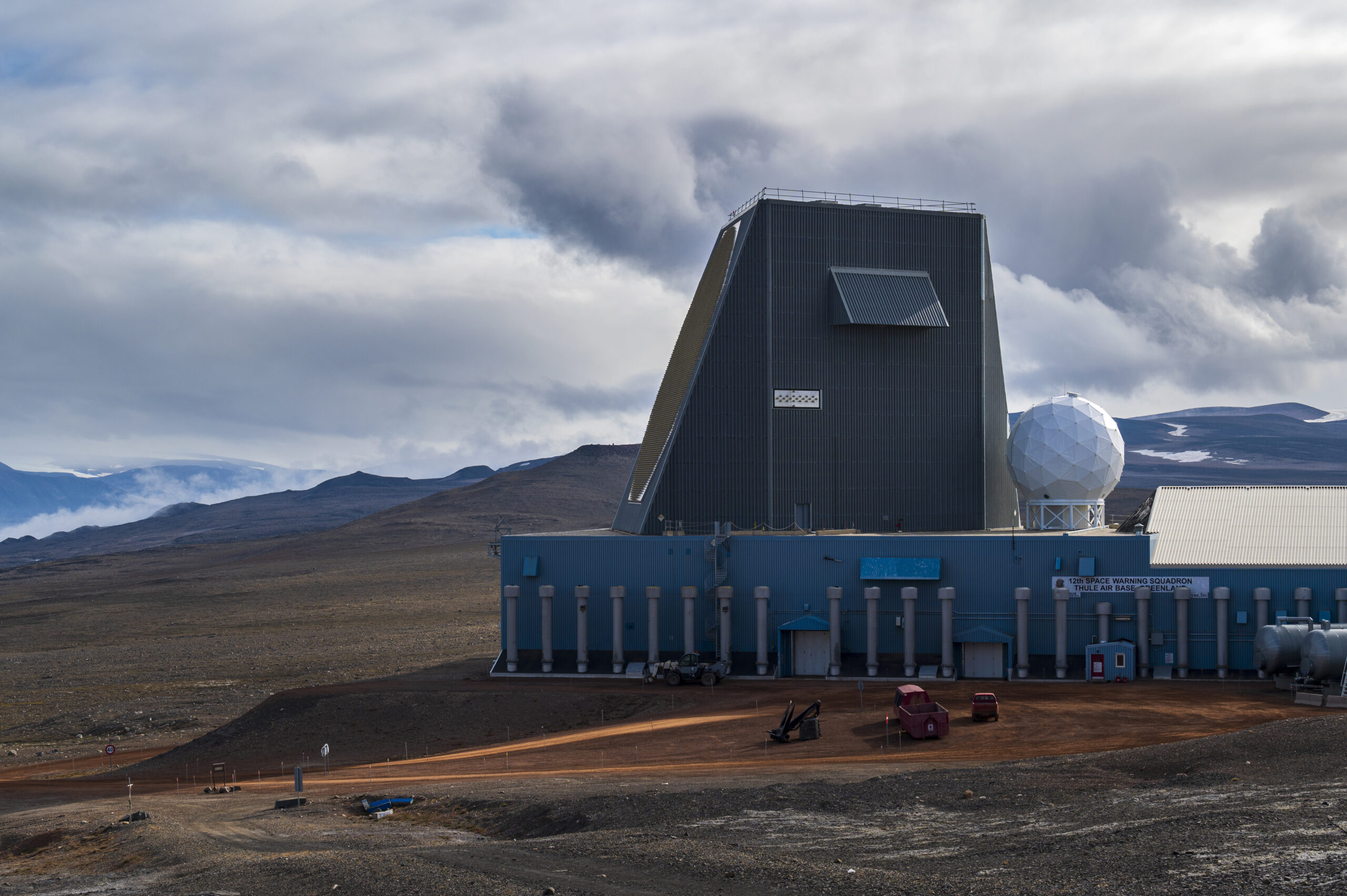
Historically, the U.S. military has maintained a presence in Greenland, particularly during World War II and the Cold War. The National Defense Strategy, released by the Trump administration, identifies Greenland as a critical area for guaranteed military access. However, the existing military agreement with Denmark from 1951 already provides substantial flexibility. The agreement allows the U.S. to improve military facilities and maintain operations in Greenland without necessitating acquisition.
The agreement states the U.S. has the right “to improve and generally to fit the area for military use” and “to construct, install, maintain, and operate facilities and equipment.” This flexibility means that the U.S. could enhance its military capabilities in Greenland without outright annexation.
Existing Defense Infrastructure
While some have suggested that the U.S. needs to establish new interceptor sites in Greenland, the current military agreement allows for such developments without the need to change ownership. The U.S. already operates 44 GMD interceptors located in Alaska and California. The Missile Defense Agency has also received funding to create a third interceptor basing site at Fort Drum, New York. This existing infrastructure serves any strategic need for a northern defense position without requiring a new site outside the continental U.S.
The GMD system has remained unchanged in terms of interceptor numbers for over two decades. Building new interceptors is costly and complex, and the focus has shifted toward upgrading existing systems rather than expanding the supply. Furthermore, the GMD system is the only defense mechanism intended specifically for ICBMs.
The prospect of forcibly annexing Greenland poses serious risks to U.S. national security. Such a move could alienate a NATO ally, weakening the military alliance that has been vital for over seventy years. Officials from the U.S. Space Force have consistently stated that international partnerships are key assets. Gen. Chance Saltzman, Chief of Space Operations, emphasized the importance of collaboration in securing national interests in space, stating, “Spacepower is the ultimate team sport.”
Concerns Over Golden Dome
The Golden Dome initiative faces several challenges, including its high costs and technical complexities, as well as concerns regarding the potential weaponization of space. Experts, including Victoria Samson of the Secure World Foundation, caution against using the Golden Dome project as a justification for annexing territory from a NATO ally. The implications of such a move could undermine established international relations and destabilize regional security.
In summary, the argument for acquiring Greenland to support the Golden Dome missile defense system lacks merit. The existing agreements and infrastructure provide ample opportunity for the U.S. to enhance its military capabilities without resorting to territorial expansion. Strengthening alliances with countries like Denmark remains crucial for maintaining robust defense strategies in an increasingly complex global landscape.