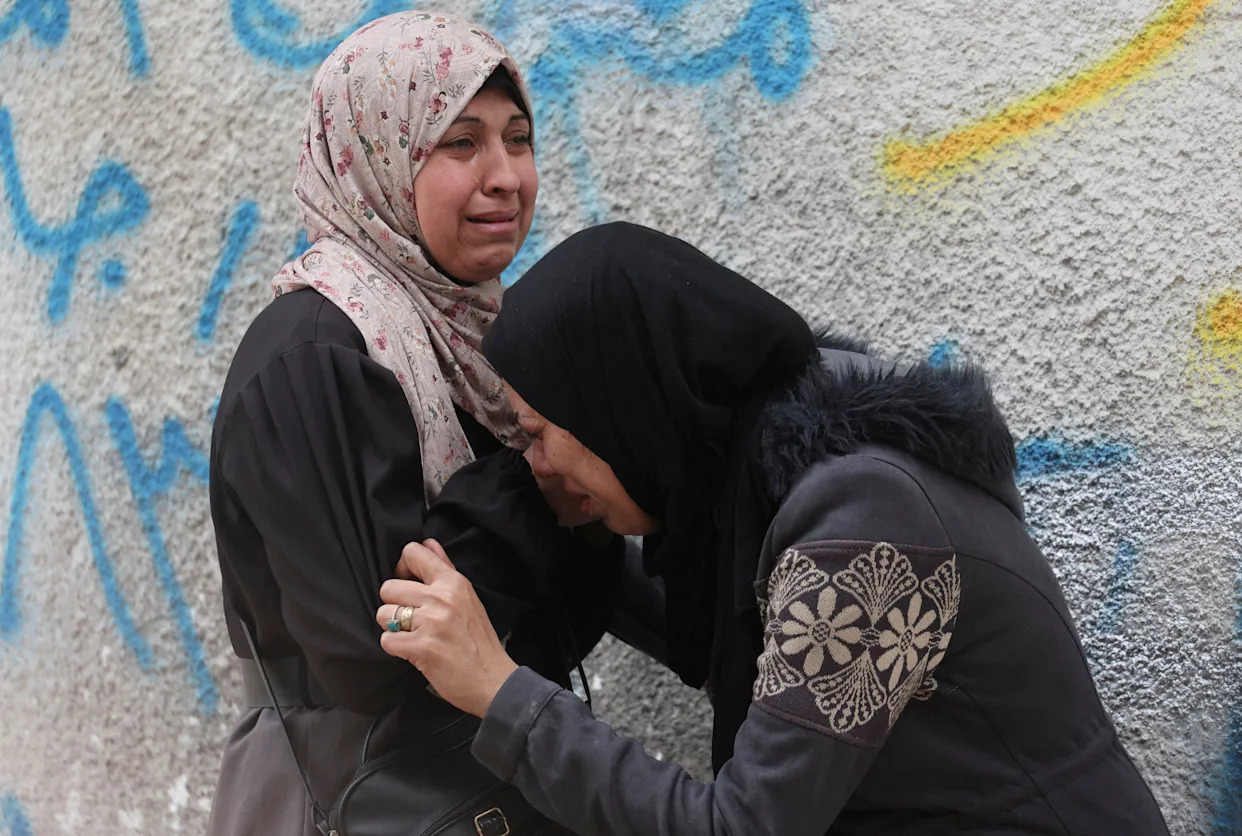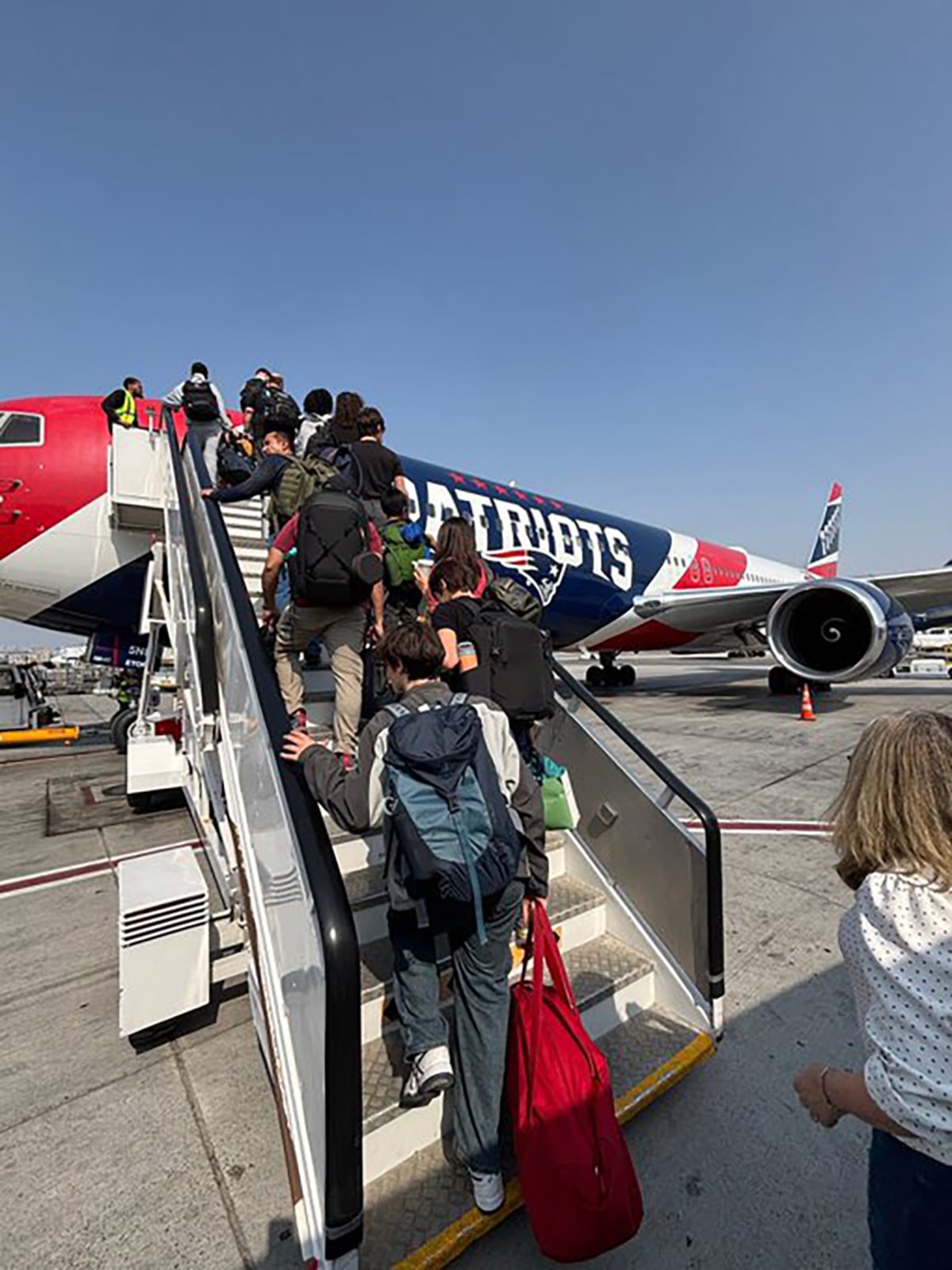
Americans still in the Middle East are voicing their distress over what they describe as abandonment by the U.S. government. Many report feeling stranded and vulnerable following a warning from the U.S. State Department that advised citizens to leave the region shortly after a military strike against Iran on March 15, 2024.
The situation escalated following heightened tensions in the region. Just days after the U.S. conducted airstrikes against Iranian positions, the State Department issued a travel advisory urging all Americans to leave the Middle East immediately. This warning, however, came too late for many who found themselves unable to secure flights or safe passage out of the area.
Reports indicate that numerous individuals are now facing significant challenges in their attempts to leave. Many are stuck in locations that are experiencing increased safety risks, and they express frustration at the lack of assistance from U.S. officials. Some have cited a limited number of commercial flights and rising costs as significant barriers to their return home.
In an official statement, the State Department emphasized its commitment to supporting citizens abroad, yet those stranded feel that the reality does not match these assurances. John Doe, a U.S. citizen currently in the region, stated, “We were informed to leave, but there were no clear evacuation plans. It’s as if we have been left to fend for ourselves.”
The U.S. government has been criticized for its response to the crisis. Critics argue that the advisory could have been issued earlier, allowing citizens more time to evacuate before the situation deteriorated. The ongoing conflicts and geopolitical tensions in the Middle East have compounded the difficulties faced by those who are still there.
As the situation develops, the State Department continues to monitor the region closely. They have reiterated that Americans should remain vigilant and follow all travel advisories. Nevertheless, the frustration among stranded citizens highlights significant gaps in communication and support from their government.
Many are now calling for a more organized evacuation strategy that could assist those trapped in precarious situations. They argue that the U.S. has a responsibility to ensure the safety of its citizens, regardless of the geopolitical climate. As the days pass, the urgency for action grows, with family members back in the U.S. expressing concern for their loved ones’ safety and well-being.
The plight of these Americans serves as a reminder of the complexities and risks inherent in international travel, particularly in volatile regions. As more details emerge, the need for effective diplomatic solutions and rescue operations becomes increasingly clear.