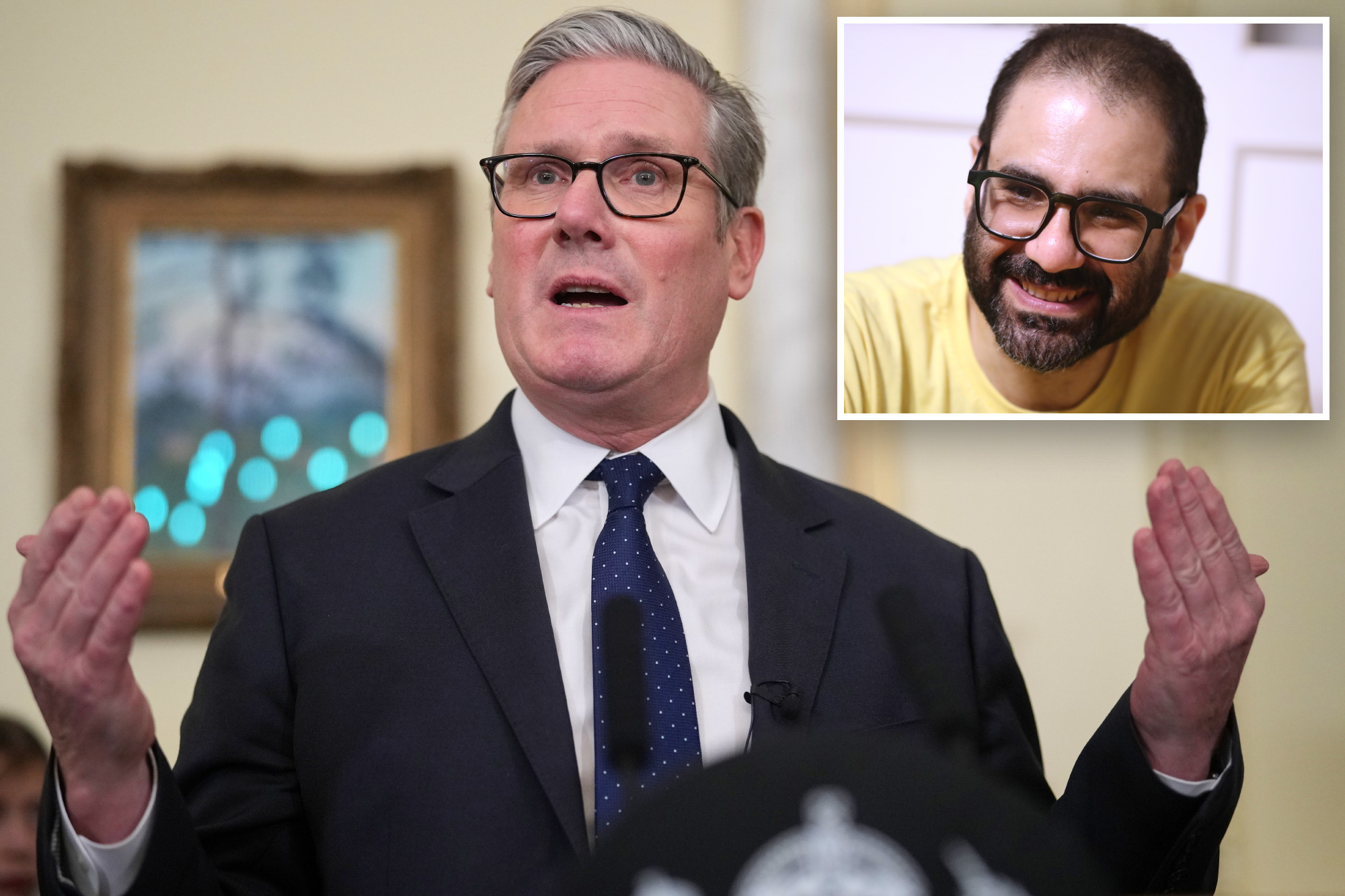
U.K. Prime Minister Keir Starmer is under scrutiny following his warm welcome for Alaa Abd el-Fattah, an Egyptian activist recently released from prison. Abd el-Fattah, a dual British-Egyptian national, had been incarcerated for most of the last 14 years due to his opposition to the regime of Egyptian President Abdel-Fattah el-Sissi. He was granted a pardon in September 2023 but remained in Egypt until a travel ban was lifted, allowing him to return to the U.K. on Friday.
Starmer expressed his joy at Abd el-Fattah’s return, stating he was “delighted” that the activist could reunite with his family in Britain. However, this statement has drawn sharp criticism from opposition members, particularly from the Conservative Party. Robert Jenrick, the Shadow Secretary of State for Justice, questioned whether Starmer was aware of Abd el-Fattah’s controversial history, which includes past social media posts allegedly endorsing violence against Zionists and police.
Jenrick demanded that Starmer clarify his position, insisting that while arbitrary detention and suppression of peaceful dissent are unacceptable, the Prime Minister should not endorse someone whose rhetoric borders on racism and incitement to violence. He emphasized the need for caution in associating with figures whose statements could provoke further division.
Abd el-Fattah’s return has sparked heated discussions among political leaders. Kemi Badenoch, the Conservative leader, and Nigel Farage, leader of Reform UK, have called for Abd el-Fattah’s British citizenship to be revoked and for him to be deported. They argue that the Prime Minister’s endorsement raises serious ethical concerns.
In response to the backlash, the U.K. government clarified that Starmer was not informed of the “abhorrent” social media posts prior to his welcoming statement. The Foreign, Commonwealth and Development Office reiterated that advocating for Abd el-Fattah’s release does not equate to endorsing his past comments. The office condemned the historic tweets and described them as “abhorrent.”
Following the controversy, Abd el-Fattah issued an “unequivocal apology,” characterizing his previous remarks as expressions of youthful anger during periods of political unrest and police brutality in Egypt. He emphasized that those comments were taken out of context, related to a private conversation during a conflict in Gaza.
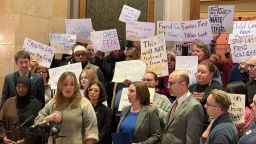
Abd el-Fattah’s family in the U.K. argues that his lengthy imprisonment stemmed from his activism against the Egyptian government. His mother, Laila Soueif, 69, previously undertook a 10-month hunger strike to advocate for his freedom, highlighting the personal toll of his incarceration.
As Abd el-Fattah arrived at London’s Heathrow Airport, critics quickly circulated his past social media posts, reigniting the debate over his suitability as a welcomed figure in the U.K. The situation underscores the complex interplay between political activism, freedom of speech, and the responsibilities of public leaders in a highly polarized environment.