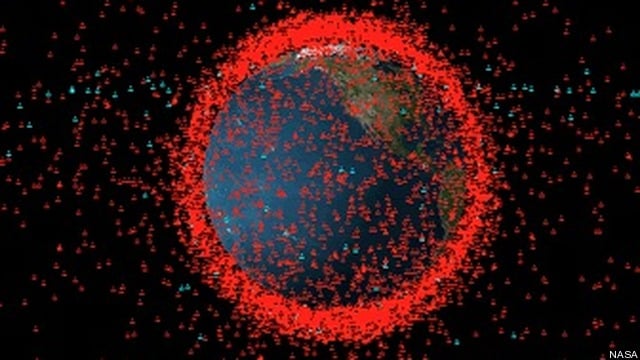
A new United Nations initiative aims to address the growing challenges of space traffic management as the number of active satellites and potential collisions in orbit rise. The Expert Group on Space Situational Awareness (EG SSA) is convening in Vienna, Austria, to develop practical measures for sharing information among nations. This forum, initiated by the United Arab Emirates last July, marks a significant step towards enhancing cooperation in space safety.
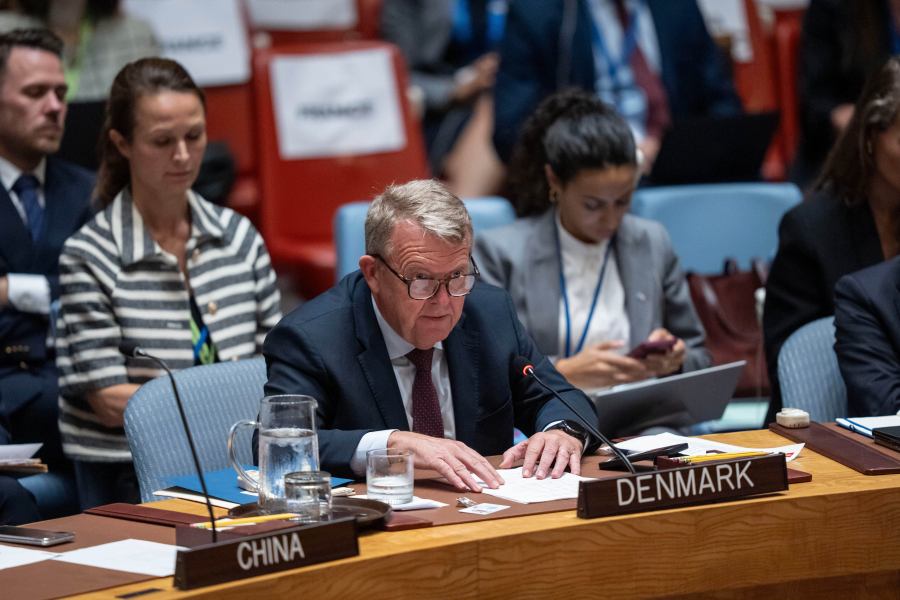
The EG SSA, established under the Science and Technical Subcommittee of the Committee on the Peaceful Uses of Outer Space (COPUOS), has already held two virtual meetings to lay the groundwork for discussions. The current in-person session, taking place from February 2 to 13, is the first opportunity for group members to collaborate face-to-face. In a statement on February 6, Ryan Guglietta, the US State Department representative, emphasized the importance of the group, describing it as “an unprecedented opportunity for Member States to convene their government and private sector technical experts to have substantive discussions on how to improve spaceflight safety.”
The US delegation, led by NASA and the State Department’s Permanent Mission to International Organizations in Vienna, supports the UAE’s efforts since its inception in 2025. A State Department official noted that the primary aim is to enhance how countries share space situational awareness data, thereby improving the safety of both government and commercial spacecraft as more countries engage in space activities.
While the statement did not specify which nations the US intends to engage, officials indicated that discussions with China are a priority. Historically, the Pentagon has communicated potential orbital conjunctions to Beijing utilizing data from the US Space Command’s (SPACECOM) Space Surveillance Network. Notifications, including details similar to those provided to US commercial operators, have been sent via email to the Beijing Institute of Telecommunications and Tracking Technology (BITTT), which serves as China’s official liaison for space safety matters.
Despite a lack of responses from BITTT in the past, there have been recent improvements in communication. In October, the China National Space Agency (CNSA) reached out to NASA regarding potential satellite collisions and offered to adjust its satellite’s trajectory. This development follows a US government initiative to establish clearer communication protocols concerning space situational awareness, designating BITTT as the main contact channel.
The shift in US-China relations regarding space traffic could bolster UN negotiations. The working group aims to discuss “enhanced global operational coordination on SSA data systems and harmonization of data formats across global SSA systems,” as well as establish forums for regular information exchanges.
Ian Christensen, Senior Director of Private Sector Programs at the Secure World Foundation, observes that Chinese stakeholders express a need for stronger government policy frameworks to facilitate direct engagement on space safety. He remains optimistic that the EG SSA, while a multilateral effort, will create political conditions conducive to improved information sharing between the US and China.
The EG SSA is expected to conduct a series of meetings, both virtual and in-person, leading up to the COPUOS plenary meeting scheduled for 2028, when the group’s results will be presented. The ongoing engagement in space safety discussions reflects the urgent need for enhanced cooperation as the space environment becomes increasingly crowded.