The United Nations Office of the High Commissioner for Human Rights (OHCHR) has issued a stark warning regarding Myanmar’s military junta’s upcoming elections, set for December 28, 2023. According to OHCHR spokesperson Jeremy Laurence, these elections will likely exacerbate repression and instability rather than restore democracy in the country. He characterized the electoral process as one controlled by the military, occurring in an environment “rife with threats and violence.”
Laurence emphasized the futility of the elections in facilitating a political transition. “Far from leading a political transition from crisis to stability or restoring democratic and civilian rule, this process will almost certainly deepen insecurity, fear, and polarization throughout the country,” he stated. This sentiment was echoed by James Rodehaver, the head of OHCHR’s Myanmar team, who highlighted the dangerous position civilians find themselves in. He noted that the military is compelling citizens to vote, while armed opposition groups threaten repercussions for participation.
The junta has claimed to pardon 4,000 individuals convicted of sedition; however, Rodehaver revealed that only around 550 have been verified as released, with many rearrested soon after. Furthermore, authorities have detained over 100 individuals under newly instituted “election protection rules.” Among those imprisoned are three youths sentenced to 49 years for displaying posters with a bullet-pierced ballot box.
Concerns extend to the use of an electronic-only voting system, which incorporates artificial intelligence and biometric surveillance, further undermining trust in the electoral process. Significant portions of Myanmar remain outside military control, raising doubts about the feasibility of credible elections. Voting will not occur in 56 townships under martial law, and in another 31 townships, there are no candidates available for election.
UN Special Rapporteur Tom Andrews described the elections as a “charade” and called on the international community to “unequivocally reject” them. He criticized the junta’s reforms as “cosmetic” measures designed to maintain military dominance rather than facilitate genuine political change. Since the military coup in February 2021, the junta has detained over 30,000 political opponents, including prominent figure Aung San Suu Kyi. The authorities have dissolved at least 40 political parties, notably the National League for Democracy (NLD).
The electoral framework in Myanmar raises significant concerns regarding compliance with international law. The Universal Declaration of Human Rights guarantees every citizen the right “to vote and to be elected at genuine periodic elections” conducted with universal suffrage, secret ballot, and the assurance of free expression of voters’ will. Last month, Human Rights Watch urged global leaders to denounce the junta and its planned elections, labeling the process a “sham.” The organization further recommended that nations increase diplomatic isolation of Myanmar’s military rulers and enhance humanitarian and refugee assistance.
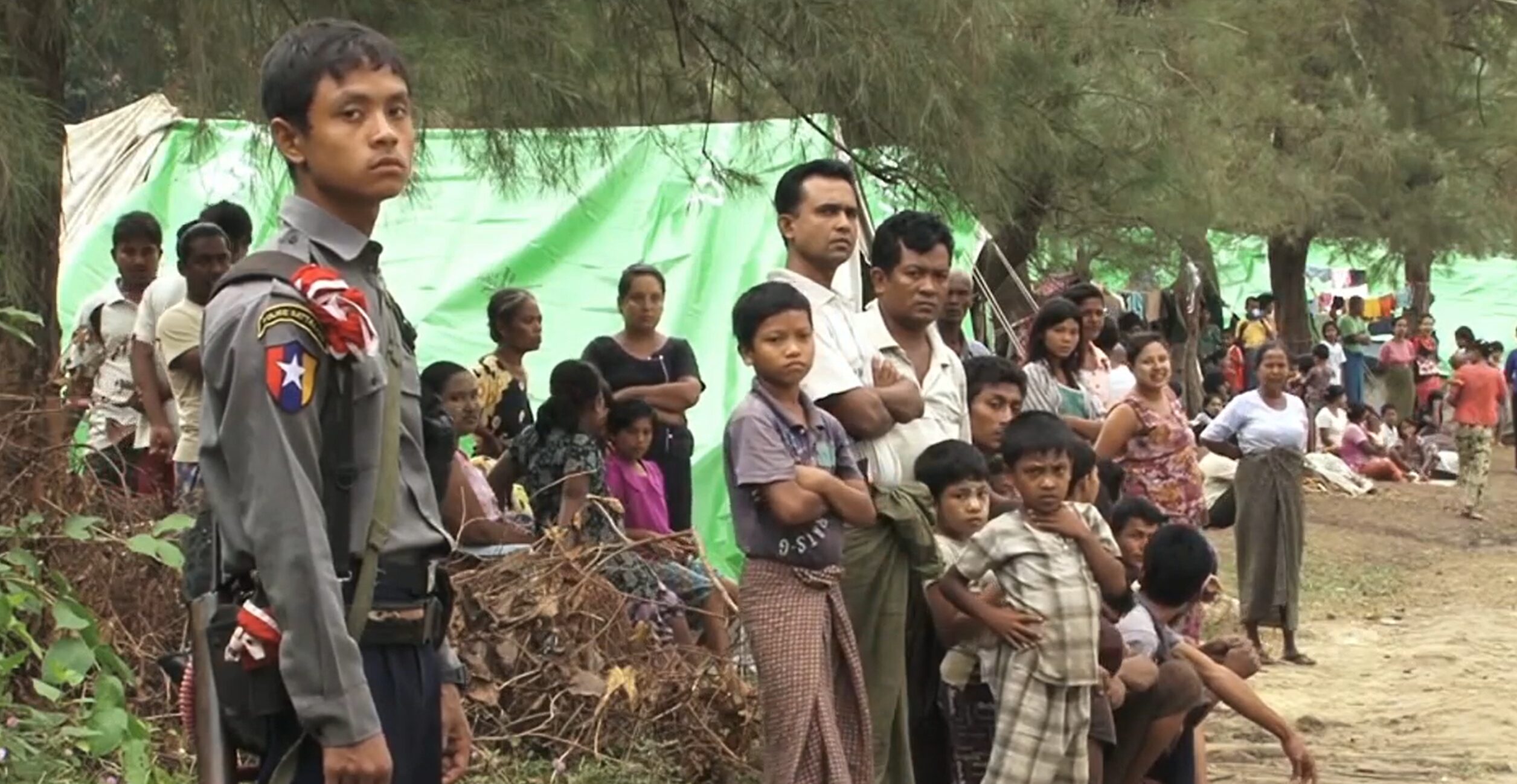
Since the military coup, the country has faced escalating violence and instability, drawing widespread condemnation from the UN and various international organizations. The military’s use of violence and repression has contributed to a deteriorating human rights situation, prompting urgent calls for action from the global community.