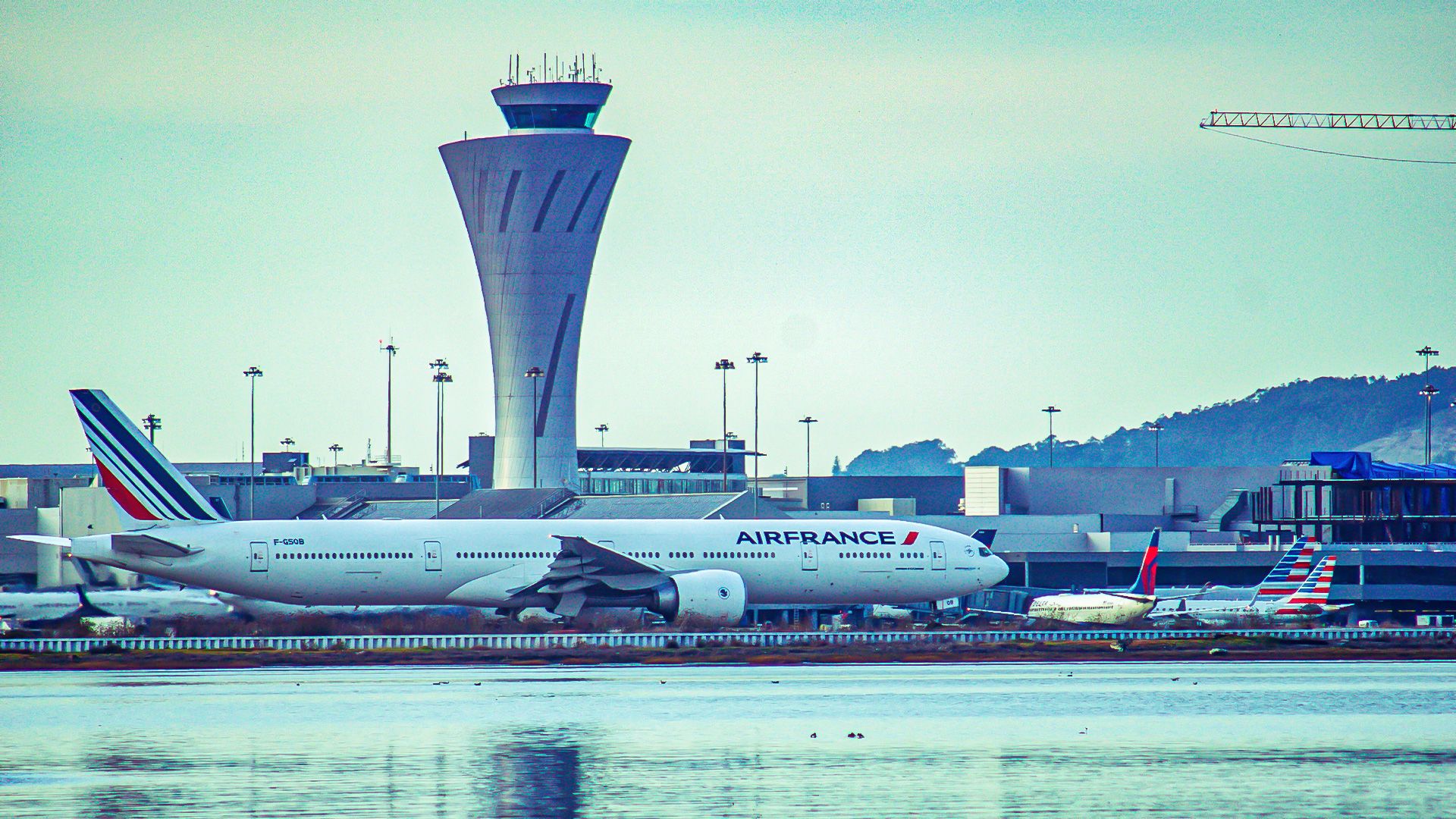
The United States is embarking on a significant overhaul of its air traffic control (ATC) system, addressing chronic delays and outdated technology. On March 15, 2024, the Department of Transportation (DOT) announced a groundbreaking contract, valued at up to $32.5 billion, awarded to Peraton, a Virginia-based technology firm. This initiative aims to modernize the ATC infrastructure across the country, with an ambitious completion target set for the end of 2028.
Modernizing the ATC System
The current state of air traffic control in the U.S. has been a cause of concern for both airlines and passengers. Frequent flight delays and cancellations have plagued the system, partly due to aging equipment and insufficient staffing. Smaller airlines like JetBlue have faced particular challenges in maintaining reliable operations. The new contract represents a pivotal shift, as it seeks to replace decades-old technology with modern solutions.
Secretary of Transportation Sean Duffy and FAA Administrator Brian Bedford expressed optimism about the project’s potential. The contract is structured to incentivize Peraton for timely performance while imposing penalties for delays, marking a novel approach in aviation infrastructure projects. The FAA had initially sought proposals in August 2025, with Peraton selected for its expertise in complex technology platform integration and previous successful collaborations with government entities.
Retired air traffic controller James Gillman commented on the significance of this modernization effort, stating, “Peraton may be the breakthrough needed to finally get the connectivity and modernization that we’ve talked of for many decades.”
Addressing Systemic Issues
The FAA has highlighted alarming statistics regarding flight delays. In 2025, the number of delay minutes attributed to ATC equipment issues was three times higher than the average from 2010 to 2024. Notable incidents, such as blackouts at the Philadelphia TRACON facility affecting Newark operations, underscored the urgency for upgrades. These outages were traced back to malfunctioning copper wiring that has been in use for decades.
The modernization project encompasses a wide array of upgrades, including:
– 5,170 new high-speed network connections
– 435 new Enterprise Information Display Systems
– 27,625 new radios
– 113 new Tower Simulation Systems
– 462 new digital voice switches
– 612 upgraded radars
– New weather stations and camera sites in Alaska
The total number of installations demonstrates the extensive scope of the project, which aims to enhance efficiency and expand ATC capabilities.
Despite the progress, challenges remain. The U.S. air traffic control system is vast and complex, necessitating updates across numerous facilities. Critics, including retired controllers, have raised concerns about the ambitious timeline and whether Peraton can deliver on schedule. Retired air traffic controller Steve Meitz expressed skepticism, stating, “Three years is a pipe dream. The FAA’s track record is far from stellar.”
In addition to equipment updates, the FAA is working to address staffing shortages. Following a government shutdown, the agency announced plans to hire 8,900 controllers by 2028, a move intended to alleviate the burden on existing personnel.
As the U.S. government takes steps to enhance its aviation infrastructure, the focus remains on ensuring safety, reliability, and efficiency. The modernization of the air traffic control system is a crucial step toward meeting the demands of contemporary air travel while addressing the pressing issues that have long hindered the industry.