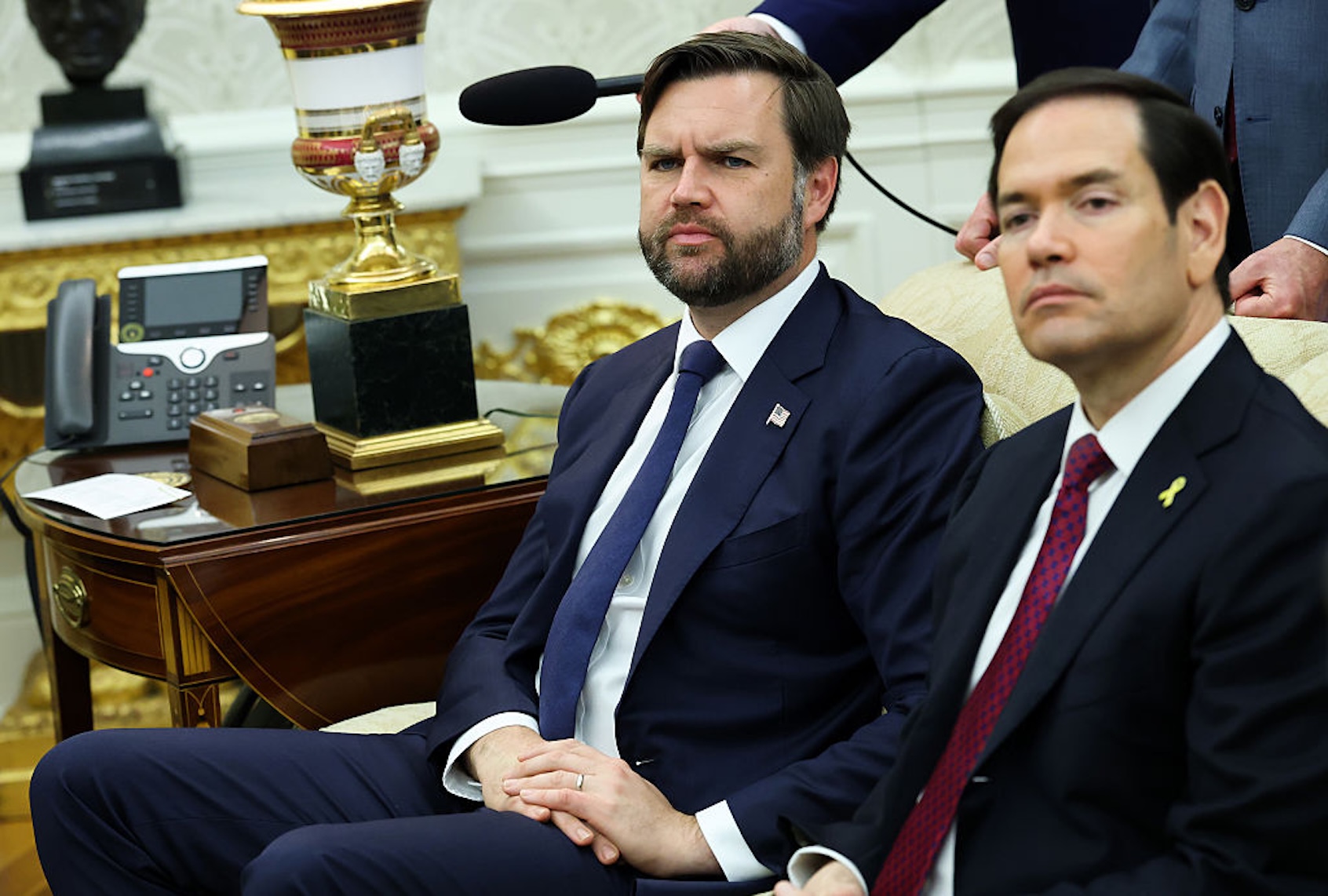
The ongoing military actions involving Iran are highlighting the emerging rivalry between Vice President JD Vance and Secretary of State Marco Rubio, both of whom are positioning themselves for the Republican nomination in the 2028 presidential election. The situation has escalated as President Donald Trump navigates a series of military engagements that have drawn criticism and raised questions about party unity. Unlike previous conflicts that often saw Democrats grappling with internal divisions, this time, it is the Republicans facing a similar challenge.
Historically, U.S. presidents have sought Congressional approval before military action, a practice that lends political cover should the situation go awry. However, Trump’s approach appears markedly different, with a lack of comprehensive planning or consultation evident in his handling of the conflict with Iran. This has forced Republican leaders to confront their own ideological rifts, as evidenced by the competition between Vance and Rubio.
The backdrop of this rivalry is reminiscent of earlier conflicts, particularly the Iraq wars. The first Iraq war in 1990-1991 saw President George H.W. Bush request Congressional authorization to use military force after Iraq’s invasion of Kuwait. The resulting swift military victory was overshadowed by the political fallout for those who opposed the war, influencing later Democratic decisions during the second Iraq war under President George W. Bush in 2003.
As Trump’s military actions in Iran intensify, the lack of a clear debate on the war’s objectives has shifted focus to Vance and Rubio’s ambitions. Rubio has positioned himself as a hawk, advocating for aggressive military strategies, while Vance is perceived as a more cautious figure, often associated with the “America First” ideology that eschews new military conflicts.
At a recent gathering at Mar-a-Lago, Trump reportedly asked donors for their preference regarding the 2028 nomination, and Rubio secured unanimous support, indicating his alignment with the president’s current foreign policy direction. In contrast, Vance has maintained a more ambiguous stance, appearing less enthusiastic about the administration’s military endeavors.
Rubio has been characterized as the architect of Trump’s foreign policy, promoting a concept that prioritizes maintaining American military primacy through a strategy of “destroy and deal,” as noted by analysts at the Stimson Center. This approach seeks to instill fear and respect among other nations, a departure from the idealism of previous neoconservative policies.
While Vance remains a popular figure in public opinion polls, his hesitance to openly critique military actions may hinder his bid. He appears to be waiting to assess the political landscape amid ongoing conflicts, all while trying to avoid alienating Trump’s base. The political dynamics at play illustrate a precarious balancing act for both candidates as they navigate their ambitions alongside the administration’s military strategies.
The implications of these military actions extend beyond mere political rivalry. With the American public exhibiting substantial skepticism regarding the Iran conflict, both Vance and Rubio must consider the potential backlash should the situation deteriorate. The lesson from historical precedents remains clear: political fortunes can be perilously tied to the outcomes of military engagements.
As the rivalry between Vance and Rubio unfolds against the backdrop of the Iran conflict, the Republican Party faces a critical juncture. With Trump at the helm, the stakes for both candidates are high, and the outcome of this military engagement could reshape the political landscape leading into the next election cycle.